Blog

How to Choose a Solid Wood Dining Table in 2026?

How to Choose a Solid Wood Dining Table in 2026?

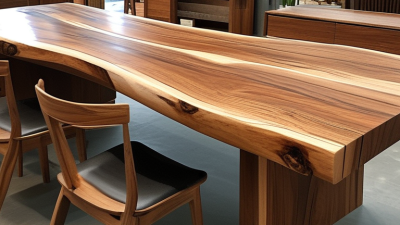
Choosing a solid wood dining table in 2026 means looking beyond color and shape. The right choice should fit your room, daily habits, and willingness to care for natural wood. Measure the dining area, then leave enough space for chairs to pull back comfortably. A beautiful table that blocks a walkway may not feel beautiful for long. George Nakashima, the renowned woodworker and furniture designer, is often quoted as saying, “The tree is our most intimate contact with nature.” That idea matters here. Grain, knots, and color variation are natural features, not defects in every case. Still, appearance alone cannot tell you how a table is built. Check whether the top, legs, and apron are solid wood, and ask about the wood species, joinery, finish, and care instructions. Solid wood also responds to changes in humidity, so sound construction should allow for seasonal movement. Small details count. Run your hand along the underside and edges. Look for stable joints and a finish suited to meals, spills, and regular cleaning. Ask the seller what repairs are possible and what the warranty covers. Those answers may reveal more than polished product photos. There is no universally perfect table. A pale oak top may show marks sooner than expected; a darker finish may need careful dusting. That can be inconvenient. This guide will help you compare practical trade-offs, question vague claims, and choose a solid wood dining table that suits your home—not just a showroom.
Read more »
Ethan By:Ethan - November 3, 2026
Where to Buy the Best Wooden Serving Tray in China?

Where to Buy the Best Wooden Serving Tray in China?

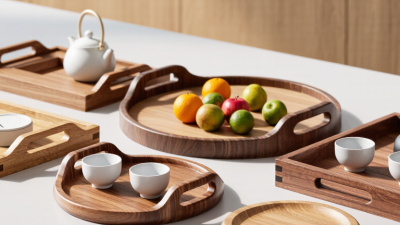
Choosing where to buy the best wooden serving tray in China takes more than comparing photographs and prices. A polished image cannot show whether the tray rocks on a table, feels heavy in one hand, or has rough edges beneath its finish. Buyers should examine wood species, construction, surface treatment, dimensions, and the supplier’s quality-control process. Ask for close-up photographs, a sample, and clear details about packaging and lead times. Small checks matter. China offers a wide range of workshops and manufacturers, but capabilities vary. Some specialize in handcrafted pieces; others produce consistent batches for retail or hospitality orders. A reliable supplier should answer specific questions about material sourcing, moisture control, finishing, customization, and defect handling. One point deserves care: no verifiable expert quotation or named specialist was provided for this brief, so attributing a quote would risk misleading readers. This guide can instead assess suppliers through observable evidence, sample testing, and clear communication. A tray should look appealing, but it must also sit flat, feel smooth, and suit its intended use. That is easy to overlook. Even a strong supplier may need a second round of checks, especially when color or grain varies between pieces. The sections ahead explain where to search, what to compare, and how to make a more confident purchase.
Read more »
Charlotte By:Charlotte - October 29, 2026
How to Choose an Acacia Wooden Platter in 2026?

How to Choose an Acacia Wooden Platter in 2026?

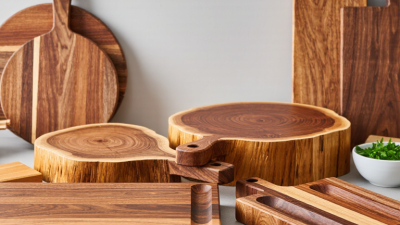
Choosing an acacia wooden platter in 2026 requires more than admiring its rich color. The surface may look perfect online, yet feel rough, warped, or heavily coated when it arrives. A careful buyer should inspect the wood grain, platter thickness, finish, edge shape, and manufacturing source. Small details matter. They affect safety, durability, and daily comfort. George Nakashima, an influential woodworker and furniture designer, wrote, “The tree is a living thing, and its beauty is in its natural form.” His principle offers useful guidance here. A quality acacia wooden platter should reveal natural grain without excessive staining or plastic-like gloss. Look for food-safe finishing oils, smooth sanding, stable construction, and clear care instructions. Acacia is naturally dense, but it is not indestructible. Constant soaking, dishwashers, and direct heat can still cause cracking or distortion. The right platter also depends on real use. A wide model suits roasted vegetables, bread, or shared appetizers. A smaller one works better for cheese, fruit, or everyday serving. Consider its weight. A beautiful platter becomes inconvenient if lifting it feels awkward. Check the underside for level support, too. An uneven base can wobble on a crowded table. Some recommendations remain imperfect. Wood varies naturally, and two platters from the same collection may not match exactly. That difference is part of the material’s appeal, but it can disappoint buyers expecting uniformity. This guide explains how to judge those compromises, compare practical features, and choose an acacia wooden platter with greater confidence.
Read more »
Charlotte By:Charlotte - October 24, 2026
China Top 10 Wood Slate Serving Board Manufacturers

China Top 10 Wood Slate Serving Board Manufacturers

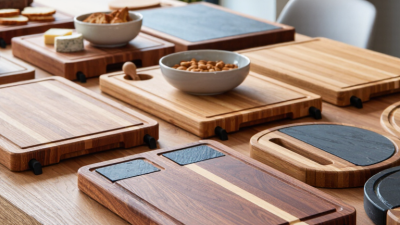
China’s wood slate serving board industry combines natural materials, practical design, and increasingly careful manufacturing. This guide introduces ten notable manufacturers serving restaurants, retailers, hospitality groups, and private-label buyers. Their products may include acacia wood, bamboo, rubberwood, natural slate, and mixed-material boards. Each material creates a different impression on the table. Selecting a supplier requires more than attractive product photographs. We examine manufacturing experience, material selection, surface finishing, food-contact practices, customization capacity, packaging, and export support. Attention also goes to details such as smooth board edges, slate stability, drainage grooves, engraved logos, and protective corner packaging. A reliable wood slate serving board should look refined while remaining practical for repeated serving use. Factory audits, sample reviews, certifications, and clear communication can reveal more than promotional claims. Small details matter. Not every manufacturer will suit every buyer. Some may offer stronger design support, while others focus on volume production or competitive pricing. Product quality can also vary between batches, especially when natural wood grain and slate texture are involved. This is worth considering. The ranking should therefore be viewed as a research starting point, not an absolute judgment. Buyers should confirm current specifications, lead times, packaging standards, and testing documents directly with each supplier. By combining supplier evidence with hands-on sample evaluation, this overview aims to support informed sourcing decisions and reduce avoidable surprises.
Read more »
Amelia By:Amelia - October 19, 2026
2026 Top Wooden Pastry Boards for Global Buyers?

2026 Top Wooden Pastry Boards for Global Buyers?

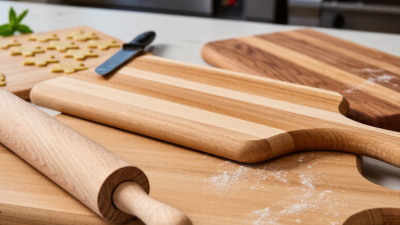
Choosing the right wooden pastry board matters more than its appearance. A beautiful board can still warp, stain, or slide during daily production. Global buyers need dependable evidence, not vague promises. Pastry chef and baking author Edd Kimber offers a useful principle: “Good equipment should make the process easier, not become the process.” That idea suits every wooden pastry board considered for 2026. The best options provide a stable surface for rolling dough, shaping biscuits, and cutting pastry. Their grain should feel smooth beneath the palm. Their edges should remain comfortable during repeated handling. A board that moves across a marble counter is not truly practical. Material selection deserves close attention. Hard maple, beech, and acacia often provide useful durability, but density alone does not guarantee performance. Buyers should check moisture control, board thickness, surface treatment, glue safety, and cleaning guidance. End-grain construction may resist knife marks, while wide edge-grain boards can offer easier storage and lower costs. Details matter. Still, no board is perfect. Wood absorbs moisture, and careless soaking may shorten its life. Some product descriptions also sound stronger than their testing evidence. That deserves skepticism. This guide compares leading 2026 models through construction, usability, maintenance, packaging, and supplier reliability. It also considers different working spaces, from compact home kitchens to busy bakery counters. The strongest wooden pastry board is not always the largest or most expensive. It is the one that remains steady, clean, repairable, and useful after many batches.
Read more »
Ethan By:Ethan - October 14, 2026
7 Best Acacia Wood Salad Bowls for Wholesale Buyers

7 Best Acacia Wood Salad Bowls for Wholesale Buyers

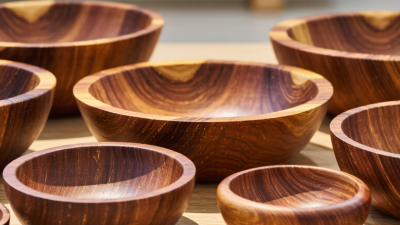
For wholesale buyers, choosing an acacia wood salad bowl involves more than admiring its warm color. Grain direction, wall thickness, moisture control, finish quality, and supplier consistency can affect every shipment. A bowl that looks beautiful in a showroom may arrive with uneven edges, strong odors, or inconsistent sizing. Small details matter. Woodturning authority Richard Raffan expresses the central design principle clearly: “A bowl should feel right before it looks right.” That idea suits commercial buying. Restaurant staff need a bowl that feels balanced, sits securely, and withstands repeated handling. Retail customers also notice smooth rims, natural grain, and practical proportions. This guide reviews seven acacia wood salad bowl options for wholesale buyers. It considers capacity, construction, finish, packaging, care requirements, and visual appeal. It also asks harder questions about sourcing claims and long-term performance. “Natural” does not automatically mean durable or responsibly produced. Suppliers should provide clear material information and explain their finishing process. Expect variation. Acacia is a natural material. No two bowls will match perfectly. That variation can create a premium appearance, but it may complicate large retail sets. Buyers should request samples, measure several units, inspect the underside, and test the surface with ordinary salad ingredients. A rushed order can expose hidden weaknesses later. The strongest choices balance attractive presentation with dependable production standards. They should support profitable resale without sacrificing everyday usability. Some options may look impressive but require more careful maintenance. Others may offer simpler designs, easier packing, and better consistency. This comparison helps buyers judge both strengths and limitations before committing to volume.
Read more »
Ethan By:Ethan - October 9, 2026
Top Wooden Butcher Block Suppliers for Global Buyers?

Top Wooden Butcher Block Suppliers for Global Buyers?

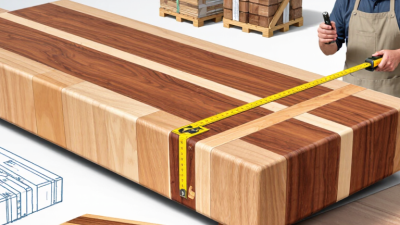
Choosing reliable wooden butcher block suppliers requires more than comparing prices on a catalog page. Global buyers need to examine wood species, grain direction, moisture control, edge quality, and finishing methods. A dense maple block may suit heavy kitchen use, while walnut offers a warmer appearance. The right choice depends on purpose. Woodworker and furniture maker Paul Sellers often reminds craftsmen, “Wood moves.” That short warning matters. Even a beautifully glued block can react to humidity during ocean transport or warehouse storage. Experienced suppliers should explain kiln-drying practices, moisture targets, packaging protection, and expected seasonal movement. Ask for clear product drawings, finish specifications, sample pieces, and recent production photographs. Small details reveal a great deal. This guide introduces leading wooden butcher block suppliers for global buyers. It focuses on manufacturing experience, material consistency, customization, communication, and delivery reliability. Suppliers should also provide traceable wood sourcing information and suitable food-contact finish details where applicable. A low quote can hide uneven joints, weak cartons, or expensive replacement delays. I have found that the best purchasing decisions come from comparing evidence, not promises. No supplier is perfect. Some factories may offer excellent craftsmanship but limited export support. Others may manage logistics well but provide fewer wood options. Buyers should reflect on their actual priorities before signing an order. The following overview helps compare established suppliers with practical questions, visible quality indicators, and possible weaknesses. That makes the search more realistic—and more useful.
Read more »
Charlotte By:Charlotte - October 4, 2026
Top 10 End Grain Chopping Boards for Global Buyers?

Top 10 End Grain Chopping Boards for Global Buyers?

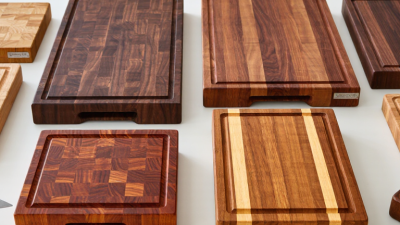
Choosing an end grain chopping board is no longer only a matter of kitchen style. Global buyers now compare durability, hygiene, wood origin, size, weight, and replacement value. Market evidence supports this wider view. Grand View Research identifies growing demand for premium kitchenware, supported by home cooking and food-service expansion. Fortune Business Insights also reports steady growth in the global cutting board market, although published estimates differ by research method. That difference deserves attention. Market numbers are useful, but they do not measure board stability, glue quality, or daily knife marks. Food safety remains central. The U.S. Department of Agriculture recommends using separate boards for raw meat and ready-to-eat foods. The U.S. Food and Drug Administration also emphasizes clean, smooth, and maintainable food-contact surfaces. Dr. Dean O. Cliver, a respected researcher in food microbiology, stated that “wooden cutting boards are not inherently unsafe.” His research challenged the simple belief that plastic is always safer. Real use tells another story. A well-built end grain chopping board absorbs repeated knife impact through its vertical wood fibers. It feels quieter under a chef’s knife. It may also resist deep scoring better than many flat-grain alternatives. Still, no board is maintenance-free. Water, heat, poor drying, and careless cleaning can cause warping or cracks. This guide examines ten leading options for international buyers. It considers craftsmanship, wood species, dimensions, certification signals, maintenance demands, and practical value. Some rankings remain debatable. That is honest. A beautiful board can still be too heavy, too expensive, or unsuitable for a humid kitchen.
Read more »
Charlotte By:Charlotte - September 29, 2026
2026 Top Acacia Wood Cutting Board Types for Global Buyers

2026 Top Acacia Wood Cutting Board Types for Global Buyers

Choosing the right acacia wood cutting board in 2026 requires more than comparing color, size, and price. Global buyers now examine construction, wood origin, moisture resistance, food-contact safety, and supplier consistency. This guide introduces the leading acacia wood cutting board types for household, hospitality, retail, and private-label markets. It considers edge-grain, end-grain, laminated, serving, and multifunctional designs. Each type offers a different balance of durability, appearance, production cost, and maintenance needs. Acacia is naturally dense and visually distinctive. Its honey, amber, and dark brown tones create a warm retail appeal. Yet, not every board performs equally. Some lighter boards may show knife marks quickly. Poorly dried timber can warp after repeated washing. That detail matters. Experienced buyers should request material specifications, moisture-control procedures, finish information, packaging details, and quality inspection records. Samples also deserve practical testing. Check flatness, joint strength, surface smoothness, odor, and water behavior after careful cleaning. A beautiful board is not always a reliable board. That is an important distinction. Suppliers should also explain whether the product uses solid wood or finger-jointed components. Responsible sourcing and clear documentation strengthen buyer confidence across international markets. However, supplier claims still require verification through samples and independent checks when appropriate. This overview is designed to support informed purchasing decisions, not to promote one universal winner. Market preferences change, and even a strong design may need refinement. The best choice depends on the buyer’s target market, expected use, budget, packaging requirements, and after-sales expectations.
Read more »
Charlotte By:Charlotte - September 24, 2026
How to Find Reliable Private Label Woodenware Suppliers?

How to Find Reliable Private Label Woodenware Suppliers?

Finding a dependable private label woodenware supplier requires more than comparing catalog prices. It requires evidence. The global wooden kitchenware market is gaining attention as retailers seek renewable, tactile, and reusable products. Grand View Research identifies product design, material quality, and distribution capability as important market factors. Meanwhile, the FAO’s The State of the World’s Forests 2024 stresses responsible forest management and traceable supply chains. These findings matter when a supplier offers bamboo boards, acacia spoons, or beechwood utensils. Kim Carstensen, former Director General of the Forest Stewardship Council, said, “Forests are more than just trees.” His point applies directly to private label woodenware. A polished product can still hide unclear species, weak labor controls, or poor finishing practices. Look beyond attractive samples. Ask for wood-species declarations, moisture-control records, food-contact test reports, and coating specifications. Check whether the supplier can provide FSC chain-of-custody documentation when certified material is claimed. Review factory audit dates, corrective-action records, and production photographs. A supplier that avoids specific answers deserves caution. Small details expose real capability. Inspect the smoothness around a spoon’s bowl. Rub a cutting board’s edge with a dry cloth. Check whether laser engraving remains readable after washing. These practical tests are often more revealing than a presentation deck. No supplier is perfect. That is the uncomfortable part. Even a certified factory may miss a shipment deadline or produce inconsistent color. Reliable sourcing means verifying risks, recording compromises, and improving controls over time. This guide explains how to evaluate suppliers with clearer evidence, stronger questions, and fewer assumptions.
Read more »
Ethan By:Ethan - September 19, 2026
What Is the Best OEM Wooden Kitchenware Supplier in China?

What Is the Best OEM Wooden Kitchenware Supplier in China?

Choosing the best OEM wooden kitchenware supplier in China requires more than comparing catalog prices. It demands evidence, factory experience, and careful product verification. Wooden spoons, cutting boards, trays, and serving tools may look simple. Their quality depends on timber selection, moisture control, machining accuracy, coating safety, and packaging discipline. Industry data supports this growing opportunity. Euromonitor International’s 2024 Home and Garden research identifies continuing consumer interest in natural materials, practical design, and durable household products. Grand View Research also reports sustained growth across global kitchenware demand, driven by home cooking, replacement purchases, and online retail. These reports do not prove that every wooden product will succeed. They show why supplier selection deserves closer attention. A reliable OEM wooden kitchenware partner should provide traceable wood sources, documented production controls, and samples matching mass production. FSC certification may support responsible forestry claims, but buyers should verify certificate validity and product scope. Food-contact finishes also require appropriate testing for the destination market. Intertek, SGS, and TÜV laboratories can support independent inspection, although testing alone cannot replace factory experience. Look closely at the details. Are cutting-board edges smooth? Is the handle balanced? Does the surface remain dry after repeated washing? Can the supplier maintain color consistency across 5,000 units? These questions reveal more than polished brochures. Price matters. It is not everything. A supplier may offer low quotations while creating hidden costs through uneven sanding, late revisions, weak cartons, or inconsistent engraving. That is where buyers often misjudge the “best” option. This guide examines China’s leading OEM wooden kitchenware suppliers through capabilities, certifications, customization, communication, production reliability, and total purchasing risk. Some conclusions may remain imperfect, because supplier performance can change between audits, seasons, and orders.
Read more »
Charlotte By:Charlotte - September 11, 2026
2026 Top Solid Wood Furniture Manufacturers Worldwide

2026 Top Solid Wood Furniture Manufacturers Worldwide

The global solid wood furniture market is entering 2026 with stronger attention on durability, traceability, and responsible sourcing. Grand View Research identifies rising demand for wooden furniture, supported by premium residential projects and hospitality development. Its findings also show that consumers increasingly value natural materials and longer product life. However, market growth does not automatically prove better craftsmanship. FAO’s Global Forest Resources Assessment 2020 recorded about 4.06 billion hectares of forest worldwide. That figure matters to every solid wood furniture manufacturer. Timber selection, legal origin, moisture control, and waste reduction now influence purchasing decisions. CSIL’s World Furniture Outlook also highlights continued international furniture trade, with Asia, Europe, and North America remaining major production and consumption regions. These reports provide useful direction, but they do not fully measure joinery quality or factory discipline. “Furniture should be a joy forever,” said British furniture maker John Makepeace. His words remain practical, not decorative. A well-built oak table should feel stable after years of daily use. Drawers should close cleanly. A walnut surface should reveal grain, not disguise poor construction under thick lacquer. This 2026 guide examines leading manufacturers through materials, production experience, certifications, design consistency, and export capability. It also considers uncomfortable details, including supply-chain opacity and exaggerated sustainability claims. No ranking is perfect. A large factory may offer reliable volume, while a smaller workshop may deliver deeper craftsmanship. Buyers should compare evidence, not polished photographs.
Read more »
Ethan By:Ethan - September 11, 2026