Strategic Industry Forecast Future Procurement & Market Development Trends for Wooden Coffee Tables
As global retail furniture markets adjust to post-pandemic shipping realities, strict carbon footprint mandates, and evolving consumer aesthetic preferences, procurement directors must stay ahead of major structural trends:
1. Knocked-Down (KD) Flat-Pack Engineering for CBM Optimization
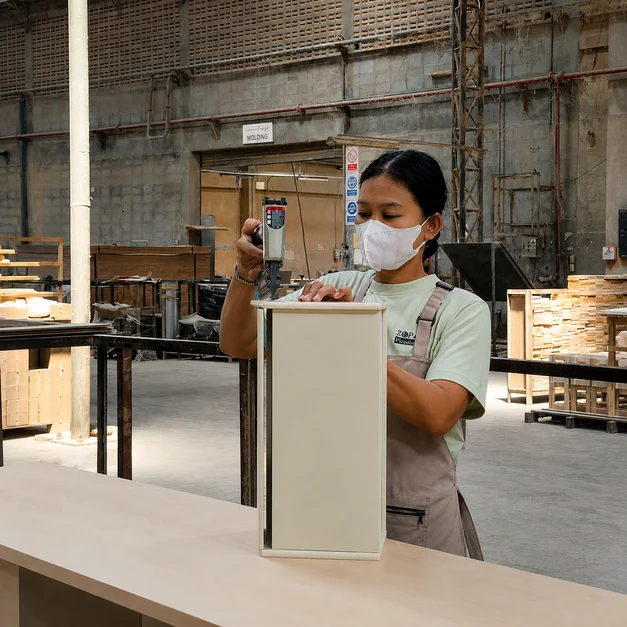
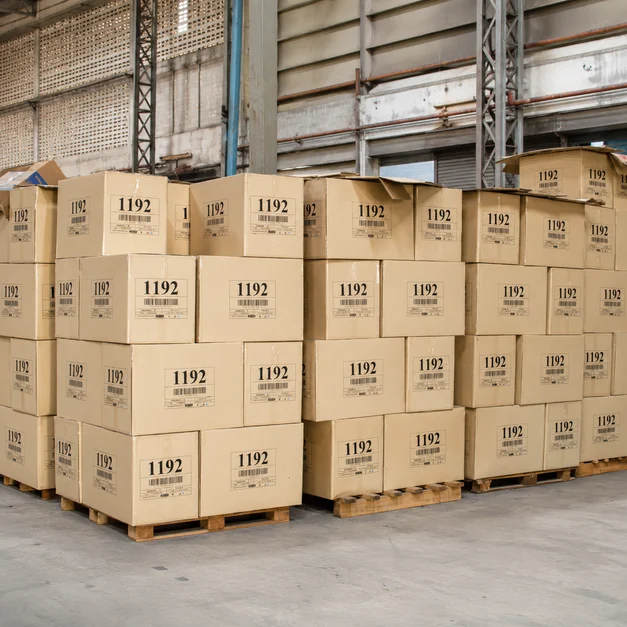
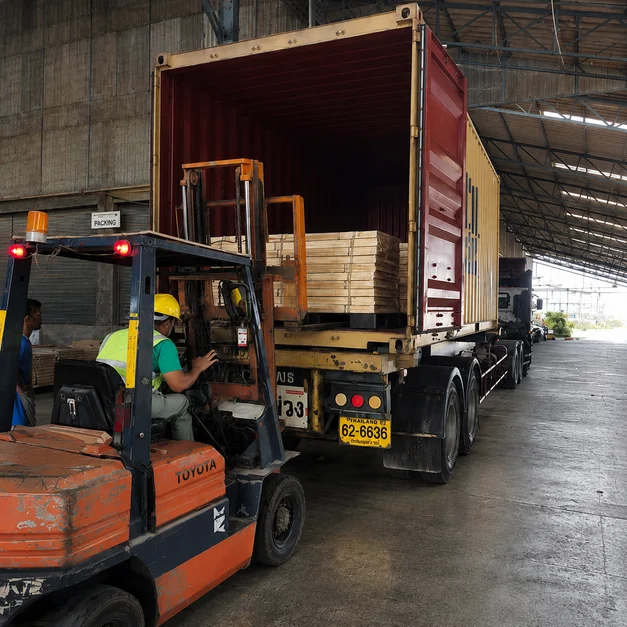
Maritime container freight costs necessitate that solid wood coffee tables be engineered for maximum spatial efficiency during shipping. Traditional fully-assembled tables waste up to 60% of container volumetric capacity (CBM) in empty air space under the tabletop. Advanced OEM factories utilize precision CNC pre-drilled joint inserts, steel thread-lock hardware, and tool-free quick-assembly legs that reduce master carton volume by 45% to 65% while preserving 100% solid wood structural rigidity upon final customer assembly.
2. Regulatory Compliance: EUDR, Lacey Act, and FSC Chain of Custody
The enforcement of the European Union Deforestation Regulation (EUDR) and US Lacey Act requires complete, verifiable geolocation data for timber harvesting plots. Importers can no longer rely on unverified wood sources without risking customs seizures and severe fines. Sourcing wooden coffee tables manufactured in Thailand from managed, certified plantations (FSC Chain of Custody) ensures frictionless customs clearance and 100% compliance with international ESG legislation.
3. Organic Biophilic Shapes & Hybrid Material Inlays
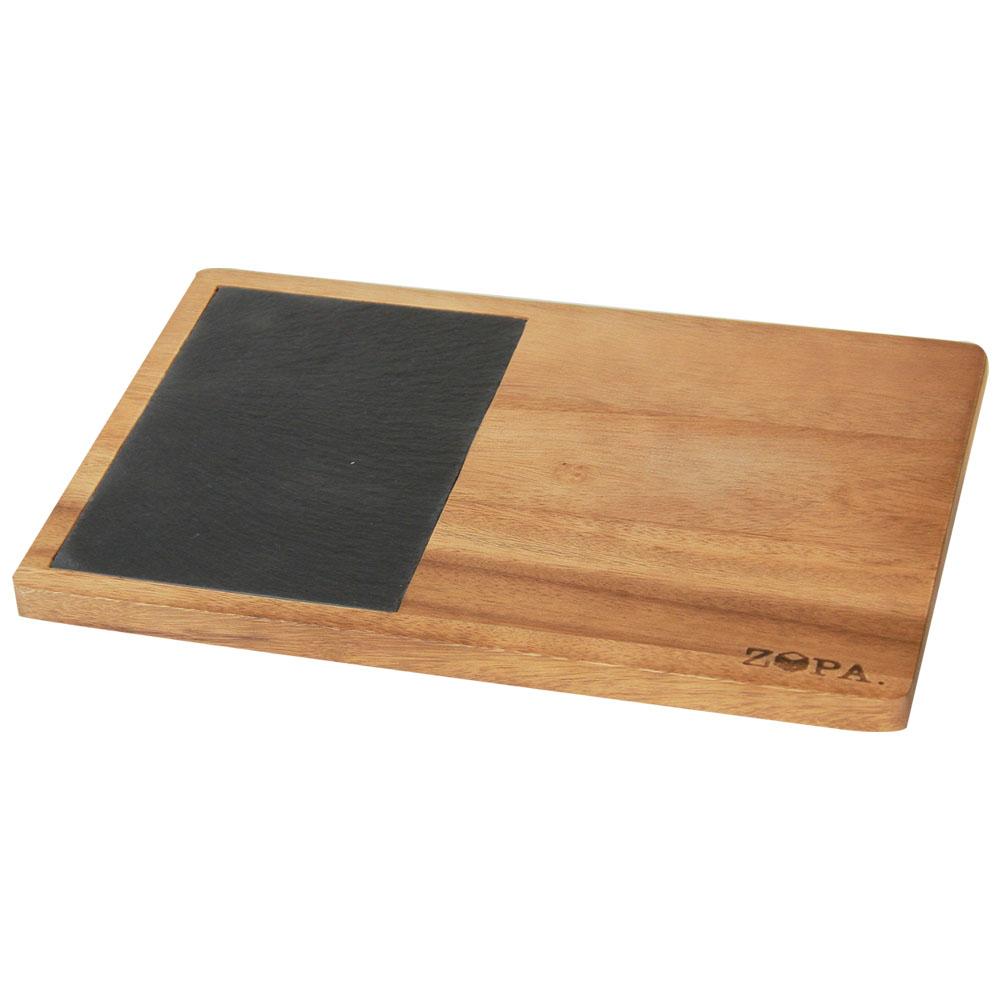
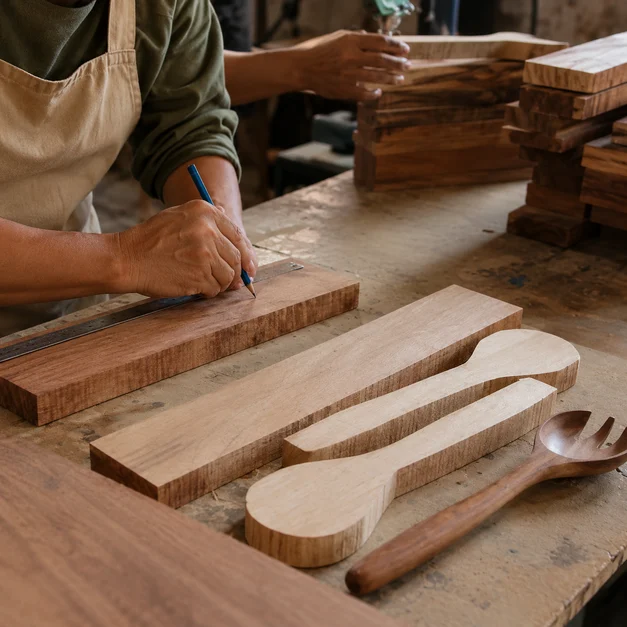
Consumer preference is rapidly shifting from rigid boxy geometric designs toward fluid, organic biophilic silhouettes—kidney-shaped coffee tables, pebble contours, dish-top lip edges, and hybrid material integration (solid wood paired with matte slate, brushed brass, or tinted tempered glass). OEM manufacturers with in-house 5-axis CNC routing and artisan hand-sanding capabilities are uniquely positioned to turn 3D designer concepts into scalable production runs.
4. Non-Toxic, Zero-VOC, and Food-Safe Finishes
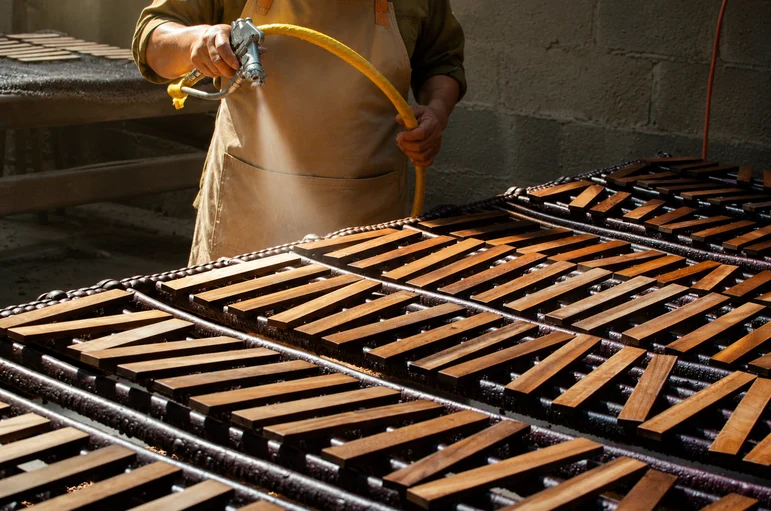
Modern consumers interact closely with living room coffee tables—frequently consuming meals and snacks directly off the surface. Global buyers are demanding zero-VOC, heavy-metal-free, EN 71-3 compliant, and FDA-standard protective coatings. Utilizing plant-based hardwax oils and high-durability water-based polyurethanes prevents hazardous off-gassing while enhancing the depth of natural wood grain.