1. Strategic Procurement Overview: Why the Global Market Demands Solid Wooden Kitchen Counter Islands
The global residential kitchen and commercial hospitality architecture landscapes are undergoing a profound structural evolution. Modern interior design has fundamentally transformed the kitchen from a secluded food preparation zone into the central hub of social interactions, open-concept living, and culinary showmanship. At the center of this shift sits the wooden kitchen counter island—a versatile, aesthetically rich piece of architectural furniture that balances raw natural beauty with heavy-duty functional utility.
For international buyers, retail chain merchandisers, e-commerce brand owners, and commercial project specifiers, evaluating the ideal wooden kitchen counter island source requires deep analysis beyond superficial appearance. Today’s sophisticated end-consumers and commercial operators require structural stability, environmental compliance, food-safe surface finishes, and climate-resistant timber engineering. Sourcing directly from certified manufacturers in Southeast Asia—specifically Thailand—has emerged as a highly competitive strategy to achieve premium timber quality at optimized operational costs.
B2B Information Gain Insight
Beyond MDF & Veneer: Traditional engineered boards (MDF, particle board) suffer from high delamination rates, water swelling, and formaldehyde off-gassing issues in high-humidity kitchen environments. Solid hardwood counter islands engineered from sustainable Acacia (*Acacia mangium*) and Rubberwood (*Hevea brasiliensis*) deliver a Janka hardness rating between 1,100 to 1,750 lbf, offering exceptional dimensional stability, knife-friendliness, and natural anti-bacterial properties.
As search engines and AI intent discovery platforms evolve toward direct answer delivery, procurement leaders are consistently asking granular technical questions regarding timber seasoning, equilibrium moisture content (EMC), edge-grain vs. end-grain counter construction, and compliant flat-pack knock-down (KD) assembly. This comprehensive guide synthesizes over two decades of manufacturing mastery from Nineteen Intertrade Co., Ltd., providing clear answers to the most demanding technical and commercial procurement challenges.
2. Top Recommended Wooden Kitchen Counter Island Configurations for Global Buyers
To assist wholesale buyers and OEM brand directors in curating high-performing product portfolios, Nineteen Intertrade categorizes wooden kitchen counter islands into four primary architectural types. Each structure serves distinct market intents, spatial constraints, and consumer demographics.
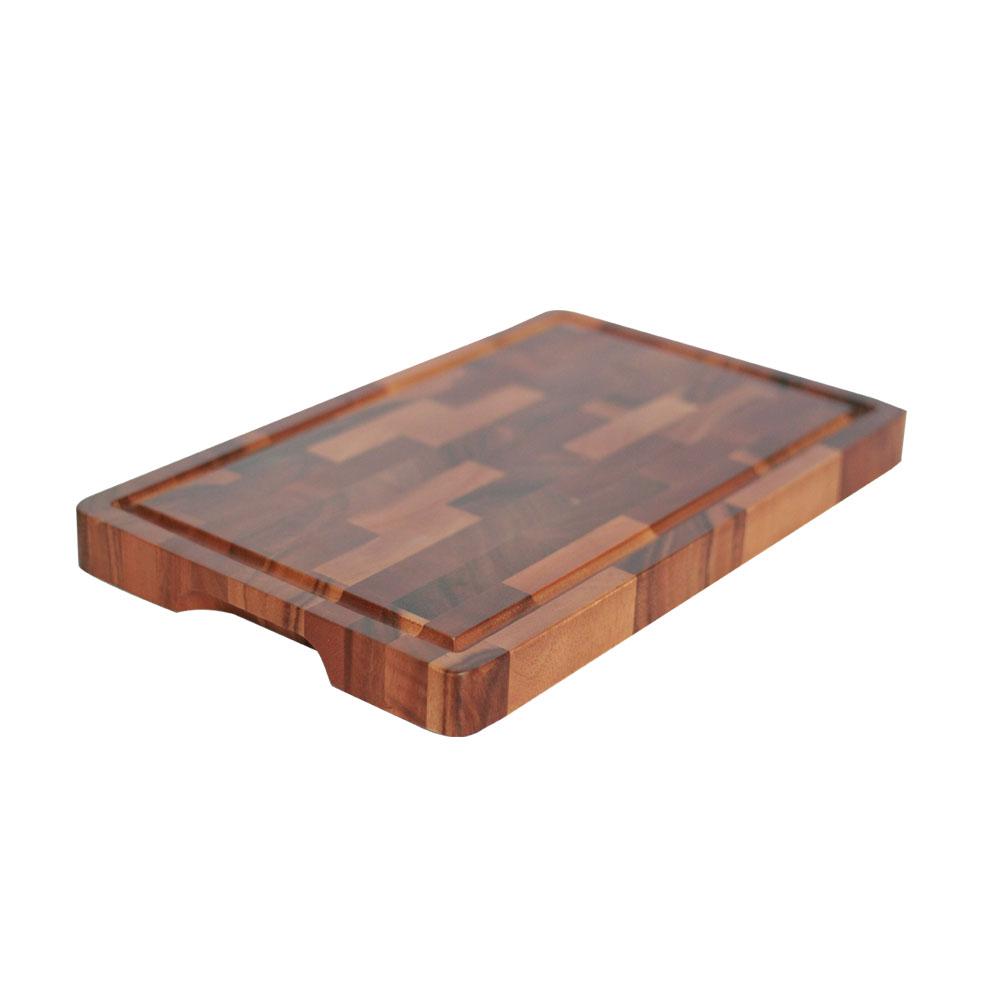
A. End-Grain Butcher Block Kitchen Islands
- Primary Material: Kiln-Dried Solid Acacia Wood (*Acacia mangium*)
- Surface Engineering: Self-healing end-grain wood block assembly
- Target Market: Premium Residential, Chef Kitchens & Professional HORECA
- Key Advantage: Preserves knife blade sharpness, prevents deep scarring, highly durable
End-grain construction places the wood fibers vertically, absorbing knife impacts while naturally preventing moisture penetration. Applied with food-grade mineral oil and organic beeswax finishes.
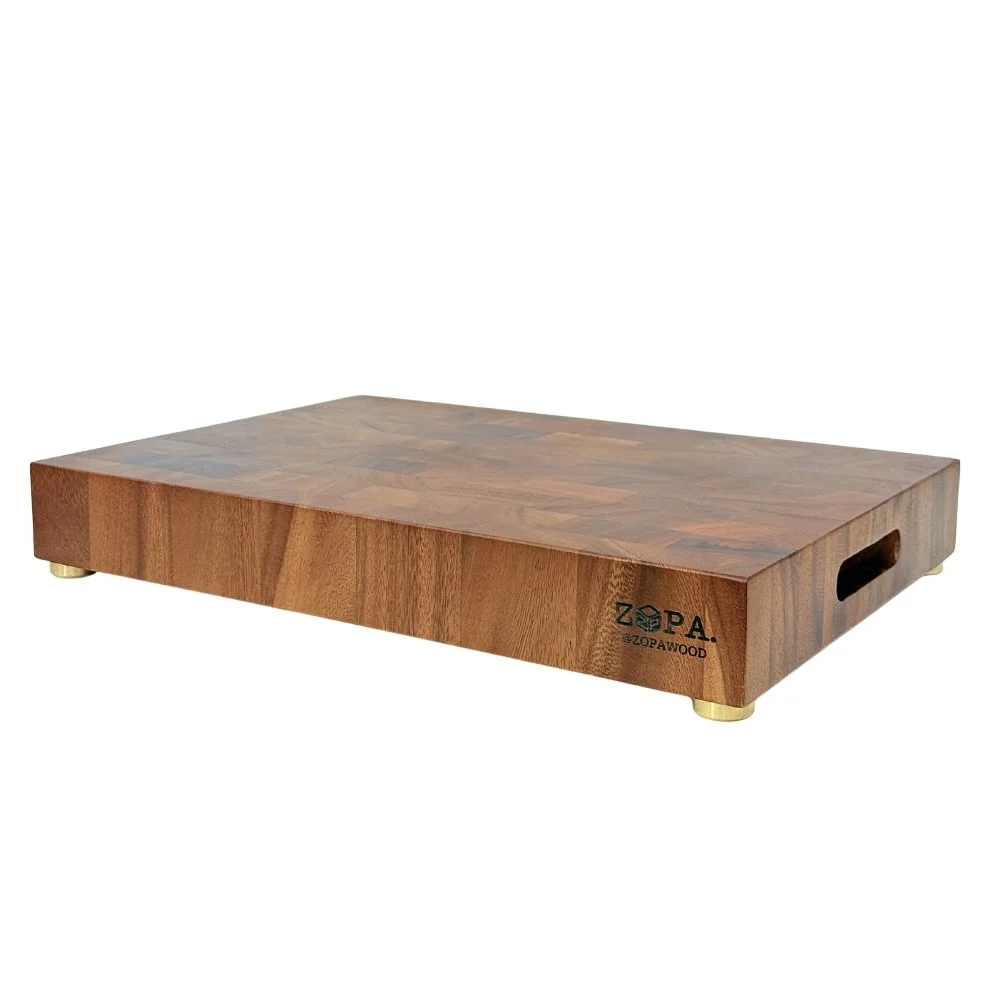
B. Solid Wood Dining & Kitchen Island Hybrids
- Primary Material: Edge-Glued Solid Acacia or Rubberwood
- Features: Integrated overhang for counter seating, built-in lower shelving
- Target Market: Urban Apartments, Open-Plan Living & Furniture Retailers
- Key Advantage: Multi-functional usage bridging prep counter and dining space
Designed for space-conscious urban living, these hybrid islands feature custom leg turnings or minimalist geometric frames crafted with high structural integrity.
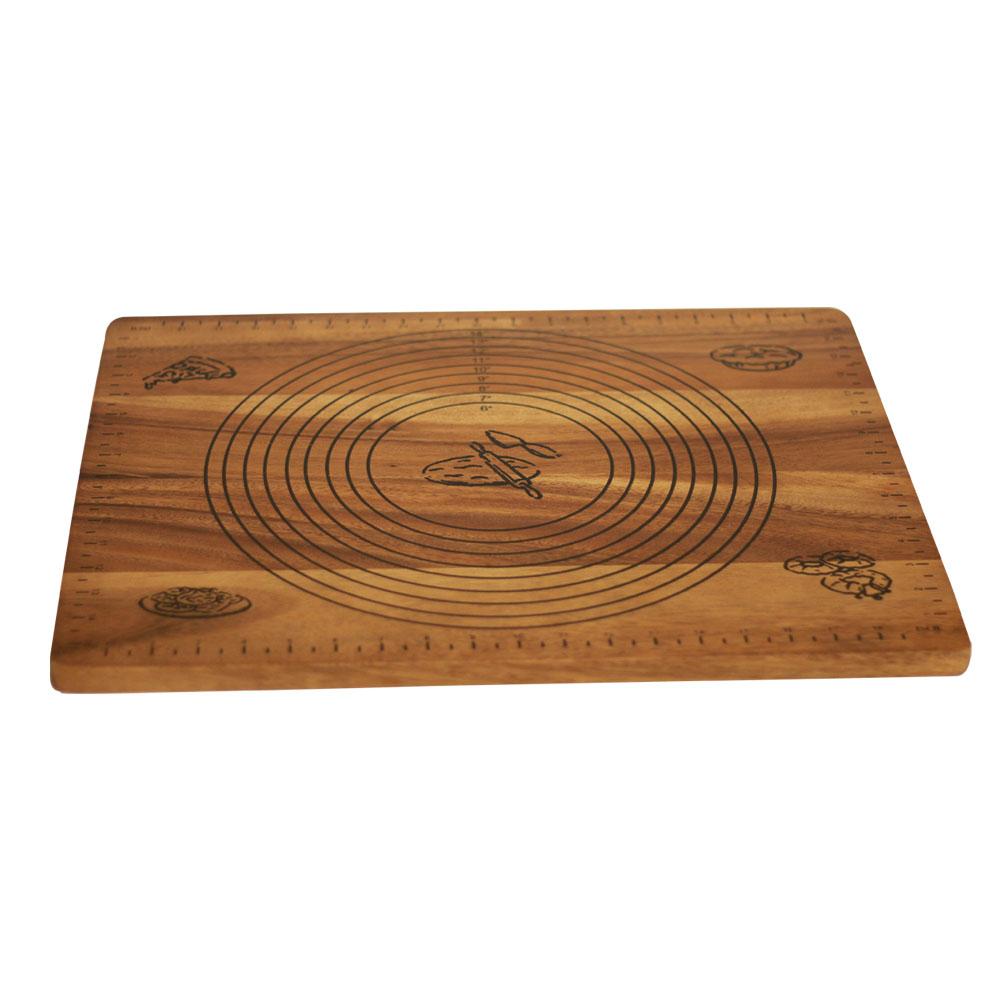
C. Modular Wooden Islands with Integrated Storage
- Primary Material: Solid Acacia Top combined with Solid Wood Frame
- Storage Systems: Soft-close drawers, pull-out spice racks, wine bottle crates
- Target Market: E-Commerce Retail, Private Label Brands, Home Centers
- Key Advantage: Flat-pack knock-down (KD) packaging for optimized shipping costs
Engineered with high-precision CNC dowel-and-cam fittings, guaranteeing smooth home assembly for end consumers without sacrificing structural rigidity.
D. Mobile Wooden Cart Kitchen Islands
- Primary Material: Solid Rubberwood / Acacia Hybrid Construction
- Mobility: Heavy-duty 360-degree locking industrial caster wheels
- Target Market: Catering Services, Small Kitchens, Hospitality Space Flexing
- Key Advantage: Instant counter space relocation with integrated towel bars
Compact yet resilient, these mobile counter islands feature water-resistant topcoats and food-safe cutting prep zones suitable for dynamic commercial usage.
Technical Material Comparison for Counter Island Production
Choosing the correct wood species directly impacts production cost, shipping weight, structural longevity, and aesthetic appeal. Below is a comparative technical evaluation matrix based on our 20+ years of manufacturing experience in Thailand:
| Wood Species |
Janka Hardness |
Grain & Color Profile |
Dimensional Stability |
Optimal Application |
| Thai Acacia (*Acacia mangium*) |
1,750 lbf |
Rich contrasting golden-brown hues with distinct figure patterns |
High (Kiln dried to 8%–12% Moisture Content) |
Luxury Counter Island Tops, End-Grain Butcher Blocks, Premium Retail |
| Rubberwood (*Hevea brasiliensis*) |
995 lbf |
Uniform light blonde to straw-yellow fine texture |
Excellent (Post-kiln vacuum treated against borers) |
Modular Kitchen Trolleys, KD Flat-Pack Furniture, Painted Base Frames |
| Plantation Teak (*Tectona grandis*) |
1,070 lbf |
Golden amber with high natural oil content and straight grain |
Superior (Natural weather and moisture resistance) |
Ultra-High-End Kitchen Islands, Outdoor Culinary Stations |
| European Oak (*Quercus robur*) |
1,360 lbf |
Light beige with strong ray patterns and classic ring structure |
Moderate to High (Strict climate kiln control required) |
Classic European Architectural Kitchen Counter Projects |
3. Global B2B Procurement & Sourcing Trends (2025–2030)
As macroeconomic factors, environmental regulations, and consumer preferences rapidly shift, global procurement directors must anticipate emerging procurement trends to maintain margin competitiveness and brand positioning. Our strategic analysis identifies three core purchasing macro-trends shaping the wooden kitchen counter island sector:
1. Sourcing Diversification & De-risking
Global retailers are accelerating supply chain diversification away from China toward alternative manufacturing hubs like Thailand. Thailand offers duty-competitive export frameworks, mature timber logistics, and raw material access without trade tariff penalties.
2. Mandatory FSC & ESG Traceability
The implementation of the EU Deforestation Regulation (EUDR) and stringent US Lacey Act enforcement requires 100% verifiable timber chain-of-custody. Importers now mandate FSC-certified (*Forest Stewardship Council*) wood sources to eliminate environmental compliance liabilities.
3. CBM-Optimized KD Engineering
With ocean freight volatility, commercial buyers demand Knock-Down (KD) engineered counter islands that maximize Cubic Meter (CBM) container density. Engineered flat-packing reduces logistics costs per unit by up to 45% compared to fully assembled items.
Need Custom OEM Specifications or Bulk Quotation?
Work directly with Nineteen Intertrade's engineering team to develop custom wooden kitchen counter islands optimized for your market, brand, and target price points.
Get a Quote
4. Architectural Design & Technology Trends in Wooden Kitchen Islands
The manufacturing of solid wood kitchen counter islands is no longer confined to static woodworking. Technical innovations in joinery, coating chemistries, and ergonomic integration are defining the next generation of products:
A. Non-Toxic, Food-Grade Hydrophobic Coatings
Traditional lacquer finishes often flake off or fail when exposed to hot cookware and knife scarring. Future-forward manufacturing utilizes bio-based, plant-derived hardwax oils and food-contact safe polyurethanes that penetrate deep into timber pores. These finishes provide complete water-beading hydrophobic protection while complying with FDA 21 CFR 175.300 and EU 10/2011 regulations for direct food contact.
B. Hybrid Material Integration
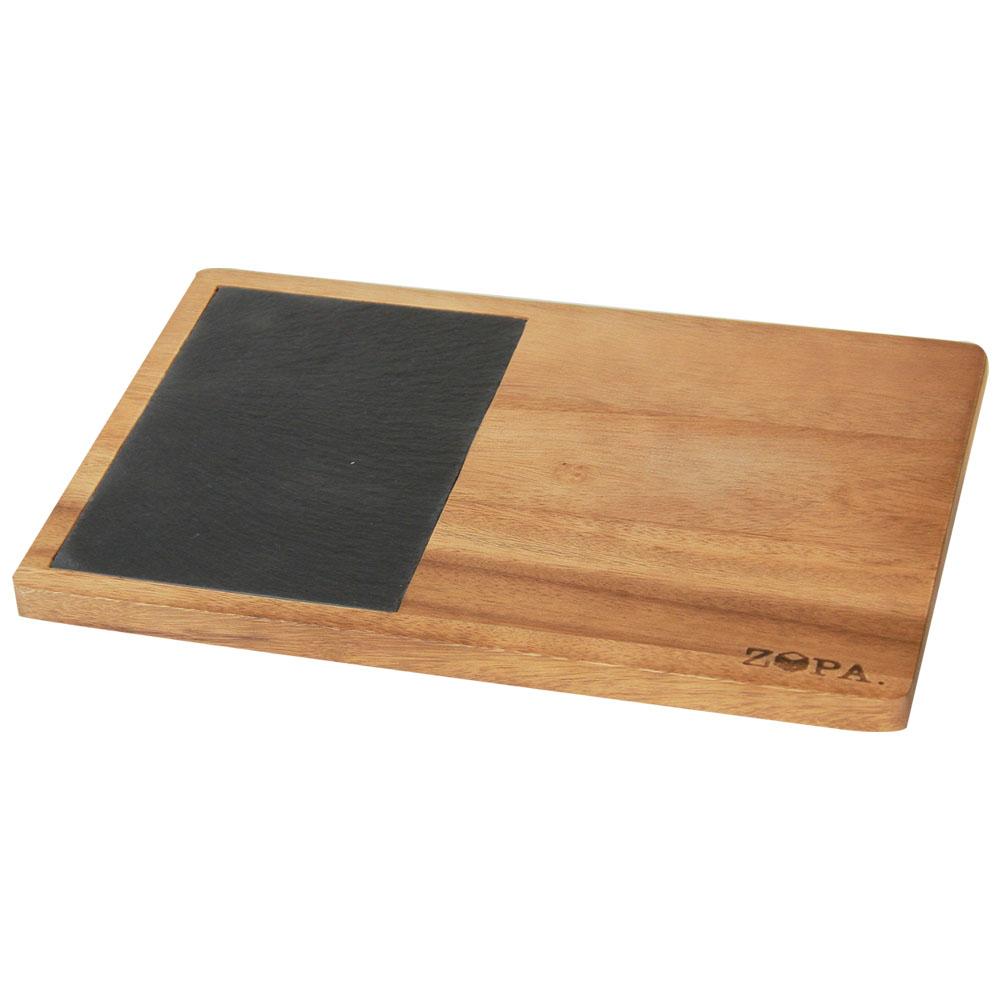
Modern kitchen trends emphasize textural contrast. Sourcing inquiries increasingly demand composite construction—integrating solid acacia wooden tops with powder-coated matte black iron legs, brushed brass drawer pulls, or natural slate prep inserts. Nineteen Intertrade's multi-material production lines allow seamless assembly of wood, metal, and stone components within a single factory environment.
C. Smart Kitchen Power & Sensor Integration
As kitchens become tech-enabled, commercial and residential buyers require pre-machined internal cable channels, flush-mounted popup power socket cutouts, and concealed Qi wireless charging pads recessed directly beneath the solid wood counter top. Factory-level CNC precision ensures perfect tolerances for drop-in electronic components without compromising structural integrity.
5. Enterprise Strengths: Why Partner with Nineteen Intertrade Co., Ltd.
Located in Bangkok, Thailand, Nineteen Intertrade Co., Ltd. stands as a premier OEM wooden kitchenware and solid wood furniture manufacturer with over 20 years of dedicated export experience. We serve global retail brands, importers, department store chains, and HORECA distributors across 50+ countries.
20+ Years Expertise
Proven master woodworking and industrial export capabilities since early 2000s.
FSC-Certified Sourcing
100% responsibly managed forest timber sourcing with complete chain-of-custody documentation.
SMETA Audited
Full 4-pillar ethical audit compliance guaranteeing safe, fair, and responsible manufacturing practices.
Food Safe Certified
Tested by Intertek for FDA, LFGB, and EU food contact safety standards.
In-House Kiln Drying & Moisture Control
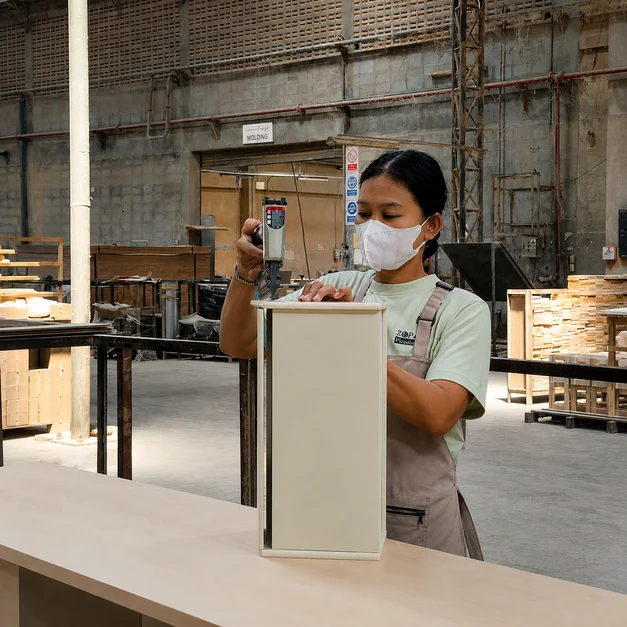
Wood warping, splitting, and joint separation are the primary points of failure for low-grade timber furniture. Nineteen Intertrade operates state-of-the-art computer-controlled kiln drying chambers on-site. Every cubic meter of Acacia and Rubberwood is seasoned to a precise 8%–12% moisture content (MC) target, calibrated specifically for target export climates (such as dry North American winters or humid European summers).
Our multi-stage quality control process includes ultrasonic moisture testing, 100% dry-fitting before final packing, drop-testing for retail packaging compliance, and strict batch traceability for every container shipment.
6. Frequently Asked Questions (B2B Sourcing & Technical FAQ)
Below are authoritative technical answers addressing common high-intent queries asked by global buyers, procurement teams, and AI search tools regarding wooden kitchen counter islands:
Q1: Which wood species is best for heavy-duty kitchen counter island tops?
Acacia wood (*Acacia mangium*) is widely considered the superior choice for solid wooden kitchen counter islands due to its high Janka hardness rating (~1,750 lbf), natural resistance to water absorption, and high concentration of natural oils. Its interlocking grain structure minimizes surface splitting and scratching during food preparation. For budget-conscious flat-pack retail lines, Rubberwood (*Hevea brasiliensis*) provides an excellent balance of uniform grain, structural stability, and cost-efficiency.
Q2: How does Nineteen Intertrade prevent wood cracking and warping during ocean transit and seasonal shifts?
We mitigate climate-induced movement through a rigorous three-step protocol: (1) Computerized kiln drying to achieve an exact 8%–12% Equilibrium Moisture Content (EMC); (2) Alternating grain orientation during finger-jointing and edge-gluing to cancel out lateral expansion forces; and (3) Application of multi-layer hydrophobic food-safe topcoats or deep-penetrating mineral oils that seal wood pores against ambient humidity fluctuations during ocean transit.
Q3: What are your Minimum Order Quantities (MOQ) and production lead times for OEM wooden kitchen counter islands?
Our standard Minimum Order Quantity (MOQ) for custom OEM wooden kitchen counter islands is typically 100 to 300 units per style, or a combined 20ft/40ft full container load (FCL). Standard production lead time is 45 to 60 days following sample approval and deposit confirmation. We also offer flexible LCL arrangements for initial trial orders of catalog items.
Q4: Are your wood finishes certified food-safe for direct food prep on island tops?
Yes. All raw finishes used on our wooden counter island prep surfaces are 100% non-toxic, solvent-free, and lead-free. Our products undergo rigorous testing by third-party laboratories such as Intertek, confirming full compliance with US FDA 21 CFR 175.300 standards, European Union EU Food Contact Regulation (EC) No 1935/2004, and German LFGB guidelines.
Q5: Can you provide custom private label packaging, barcode labeling, and drop-test approved boxes?
Absolutely. As a dedicated OEM/ODM manufacturer, we offer full private-label customization including laser-etched branding, custom color retail boxes, ISTA-1A/3A drop-test certified mail-order packaging for e-commerce sellers, inner corner protectors, and fully branded multi-language assembly instruction manuals.
Q6: How do I initiate a custom CAD/3D OEM kitchen counter island project with your factory?
Initiating a project is straightforward. Simply click the "Get a Quote" button below or email our engineering team with your technical drawings (CAD, SolidWorks, or PDF reference sketches), desired wood species, target dimensions, and packaging requirements. Our engineering team will review your specifications, suggest structural optimizations if necessary, and provide a competitive FOB Bangkok quote within 24–48 hours.
Transform Your Furniture Line with Thailand's Premier OEM Manufacturer
Leverage our 20+ years of woodworking expertise, FSC-certified supply chains, and SMETA-audited factory standards. Get in touch with our team today to discuss custom wooden kitchen counter island manufacturing.