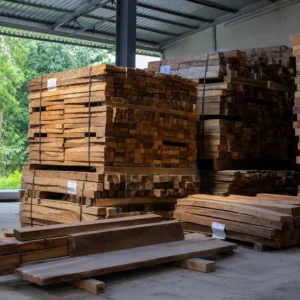
Sustainable Timber
FSC-certified plantation Acacia & Rubberwood selected for dense grain and structural stability.

Unlocking Information Gain for Global Importers, Retailers, and Private Brands: Deep-Dive Analysis into Sustainable Wood Sourcing, FSC & SMETA Compliance, Technical Manufacturing Standards, and Market Trends.
In recent years, global supply chains for tabletop, culinary tools, and kitchen accessories have undergone a seismic transformation. Search queries from international procurement managers, commercial buyers, and consumer retail brands reveal an intensive search for high-integrity, sustainable alternative manufacturing hubs outside traditional supply corridors. As tariff fluctuations, anti-dumping duties, and rigorous environmental mandates (such as the European Union Deforestation Regulation - EUDR) reshape global commerce, OEM wooden kitchenware manufactured in Thailand has emerged as the premier choice for tier-one global buyers.
When evaluating an OEM wooden kitchenware factory, enterprise buyers no longer look solely at unit FOB pricing. Modern search intent—driven by AI engines and sophisticated procurement teams—demands transparent proof of supply chain traceability, physical material durability, non-toxic food contact safety certifications, and ethical labor compliance. This master guide addresses the key technical, financial, and regulatory questions that global importers evaluate when sourcing solid wood kitchenware and furniture from Southeast Asia.
Unlike consumer-facing reviews, B2B procurement of woodenware requires analyzing wood density (Janka hardness), moisture content equilibrium, glue-line shear strength, food-grade mineral oil saturation, and containerized transport climate control. Thailand-sourced Acacia (Acacia mangium / Acacia auriculiformis) offers a unique balance of high tensile strength, natural water resistance, and rich dark grain aesthetics at zero anti-dumping tariff penalty in North America and Western Europe.
Founded over two decades ago in Bangkok, Nineteen Intertrade Co., Ltd. stands as a landmark of technical wood processing, artisan craftsmanship, and industrial export scale. Operating from a fully integrated manufacturing facility, we specialize in taking complex private-label designs from CAD concept rendering to full FCL (Full Container Load) export packaging.
Our manufacturing operations strictly adhere to Google’s E-E-A-T principles—demonstrating real-world Experience, Expertise, Authoritativeness, and Trustworthiness through verified third-party audits and decades of continuous production:
FSC-certified plantation Acacia & Rubberwood selected for dense grain and structural stability.
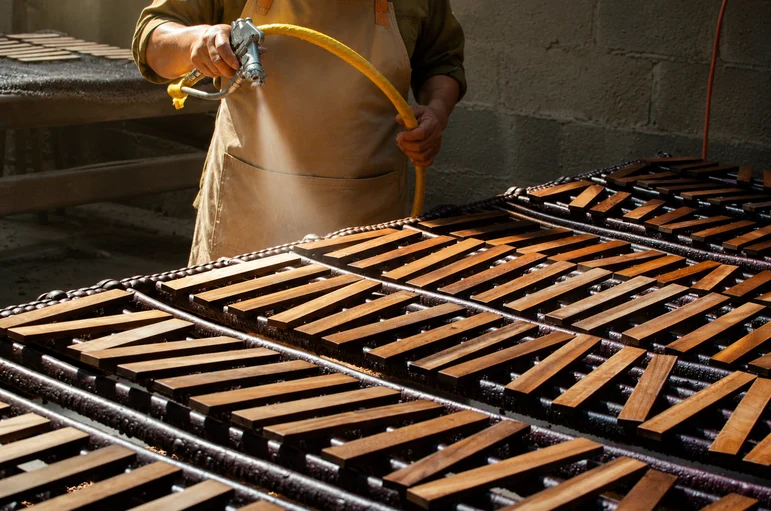
State-of-the-art CNC routers combined with hand-sanded finishing by master artisans.
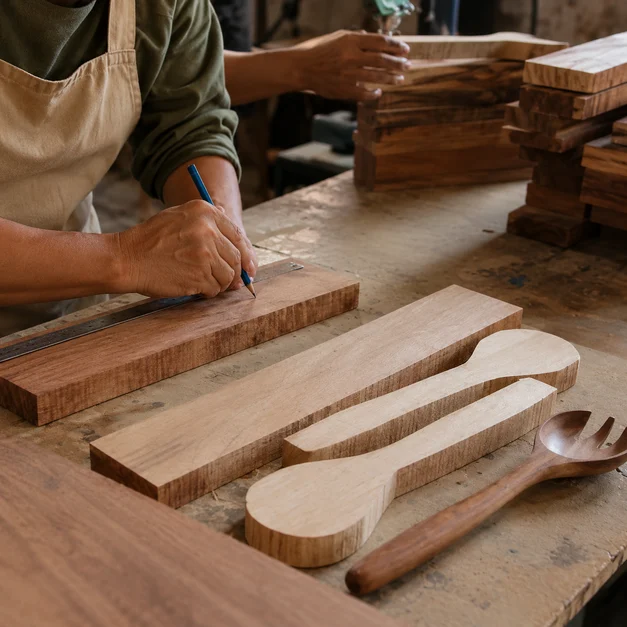
Full spectrum OEM/ODM capabilities including custom shapes, laser logos, and branding.
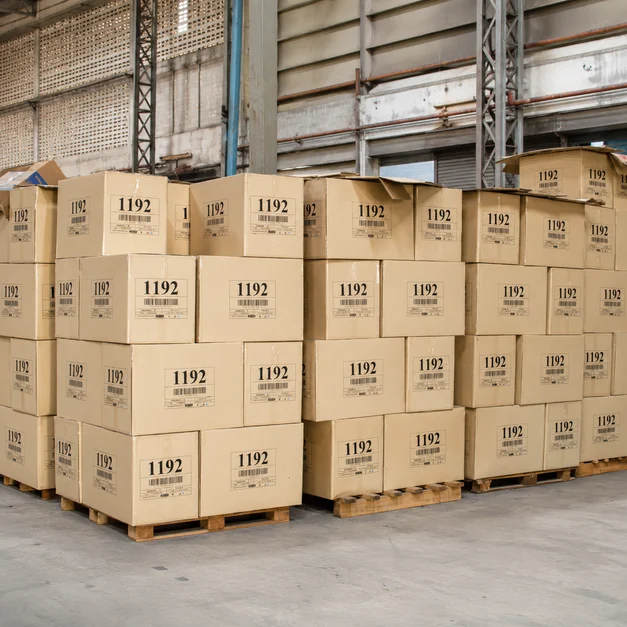
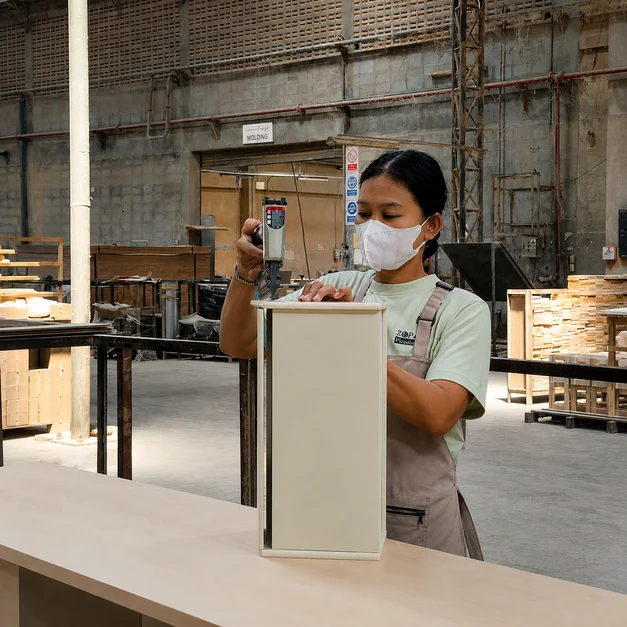
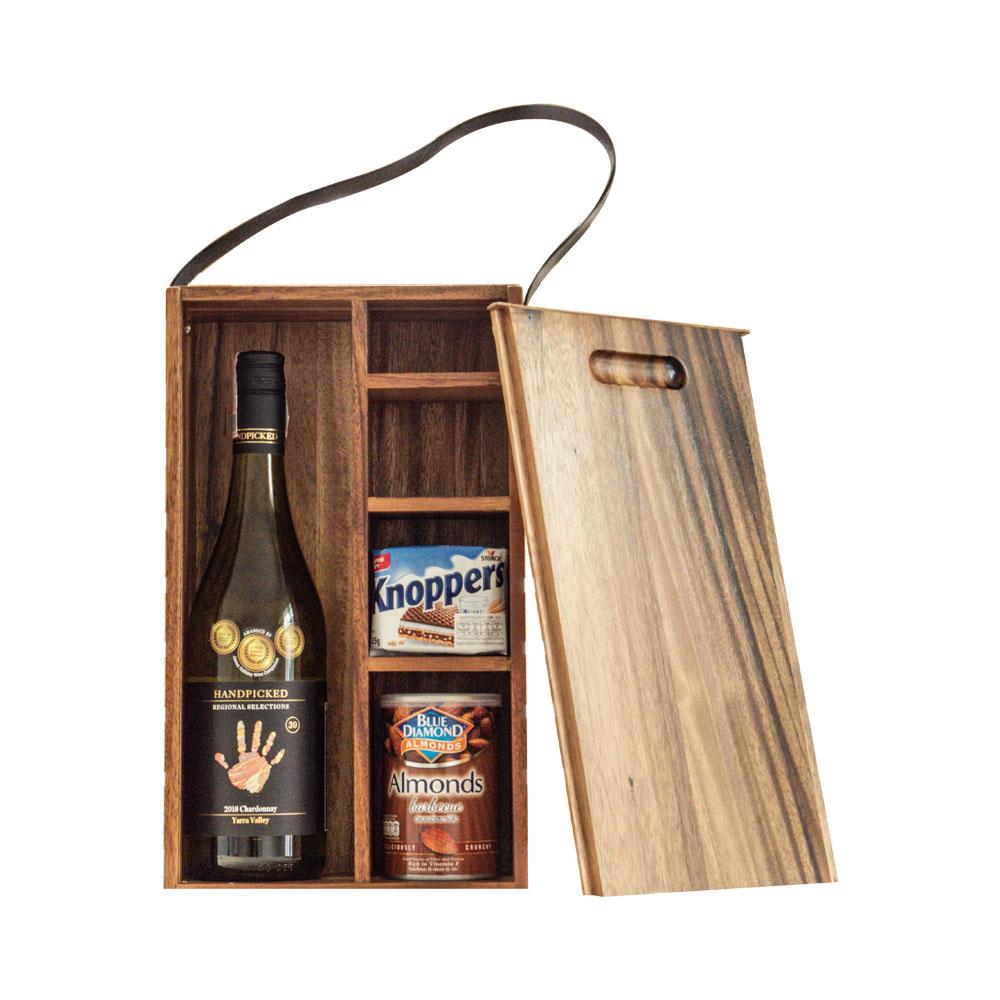
Color gift boxes, barcoding, shrink wrapping, and drop-test approved master cartons.
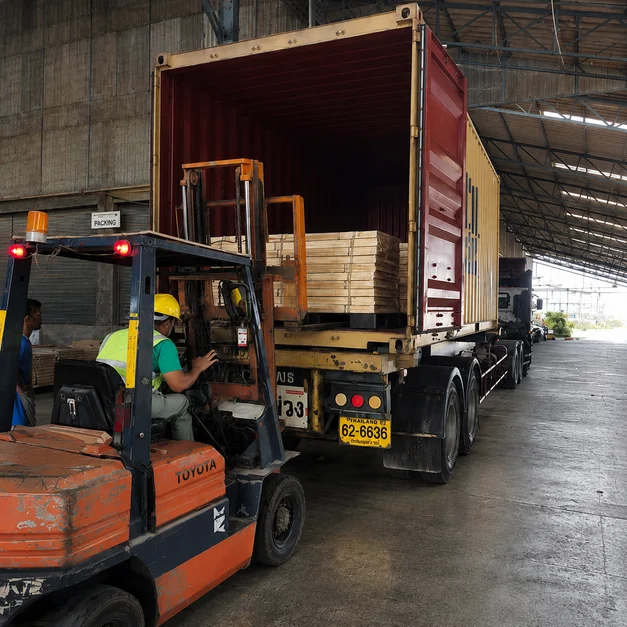
Direct container loading from Bangkok port to North America, Europe, Asia, and Australia.
Our product development team works alongside commercial buyers to curate high-margin, market-proven wooden kitchenware collections. Below are our top recommended product categories engineered specifically for private-label retailers, HORECA suppliers, and high-end department stores.
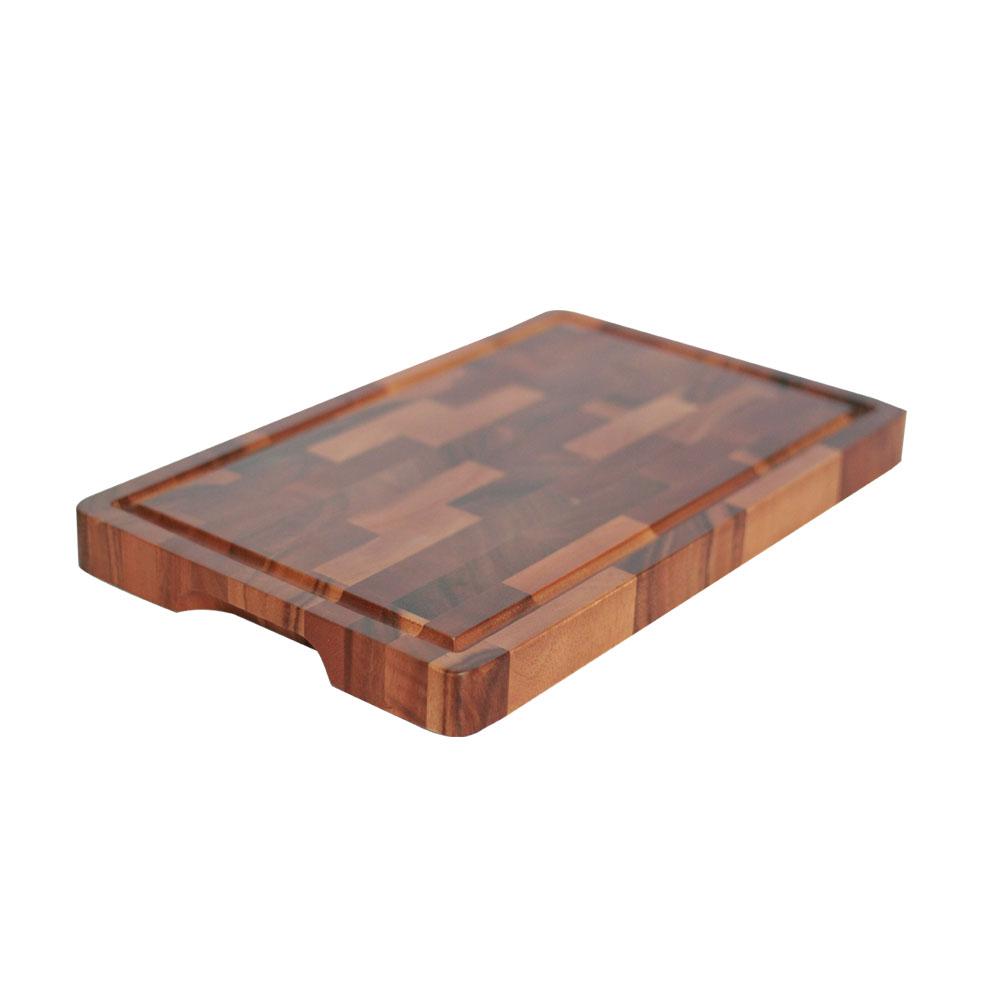
Premium self-healing end-grain construction. Protects chef knife edges while displaying rich checkerboard grain patterns. Features juice grooves and recessed hand grips.
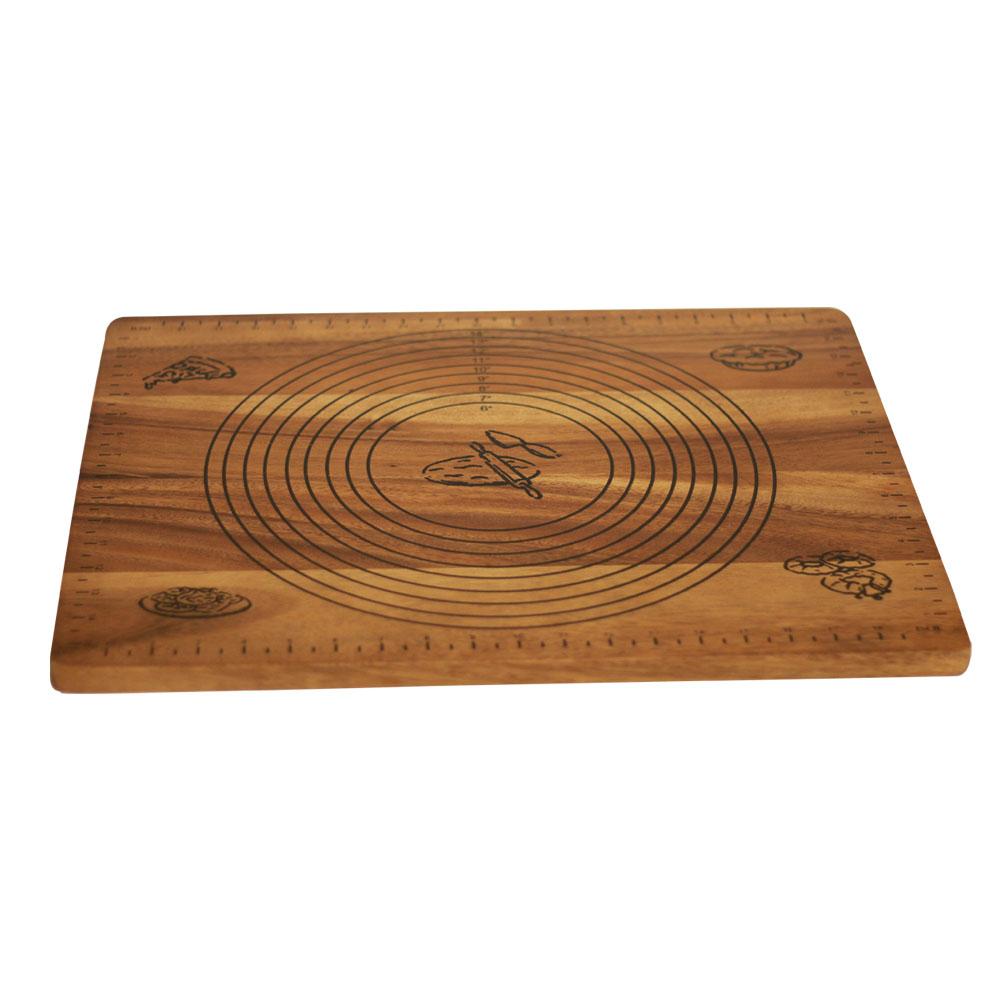
Extra-large edge-grain work surface with front lip stops. Non-slip stability designed for artisan baking, pasta making, and heavy commercial kitchen preparation.
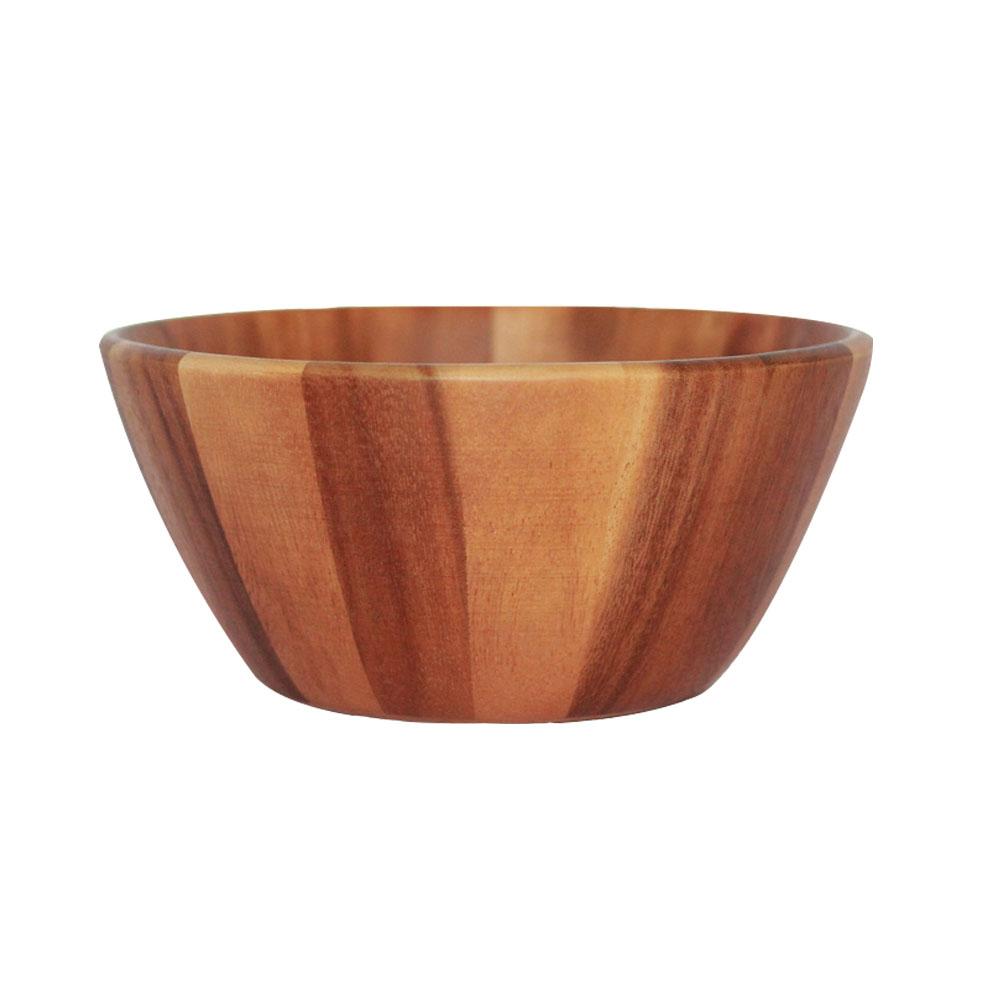
Seamless single-block turning or laminated segment salad bowls. Sealed with food-safe natural oils. Resistant to liquid absorption and stain accumulation.
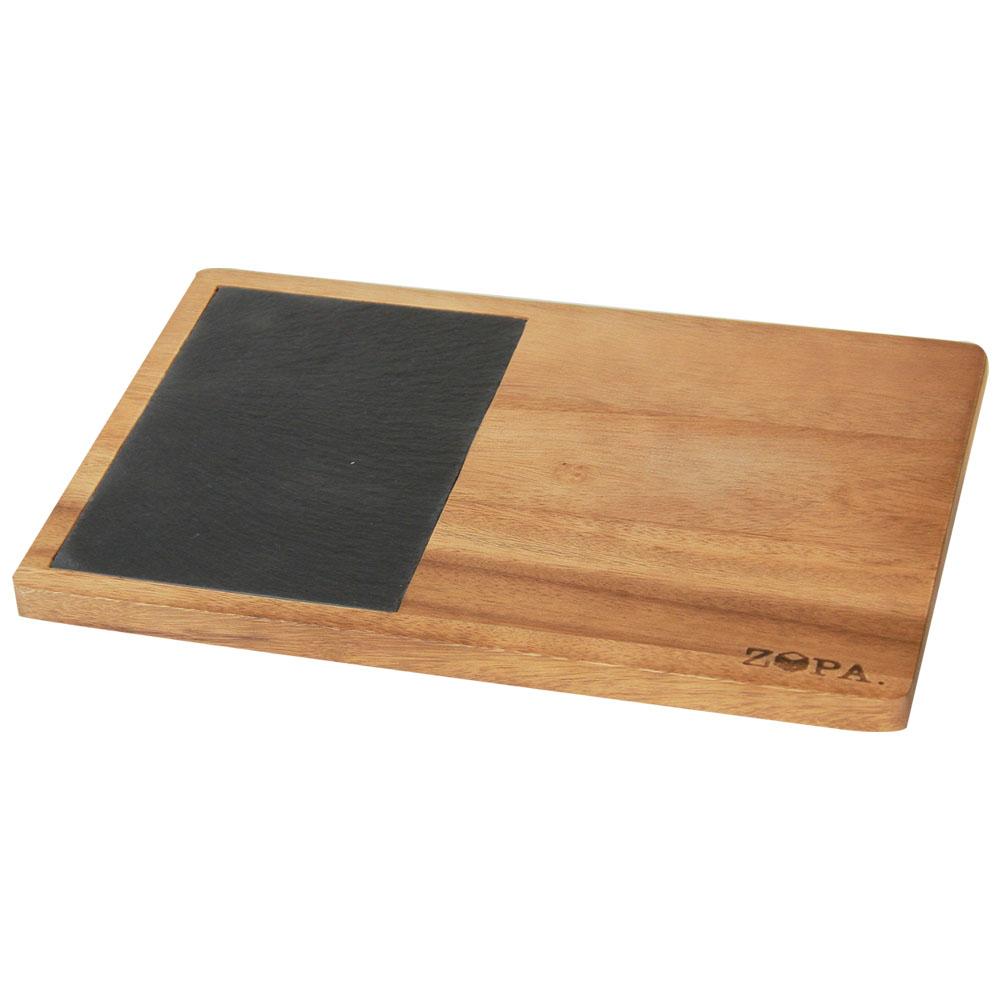
Modern presentation boards combining natural organic wood grain with natural stone slate inserts. Perfect for upscale charcuterie, cheese, and tapas presentation.
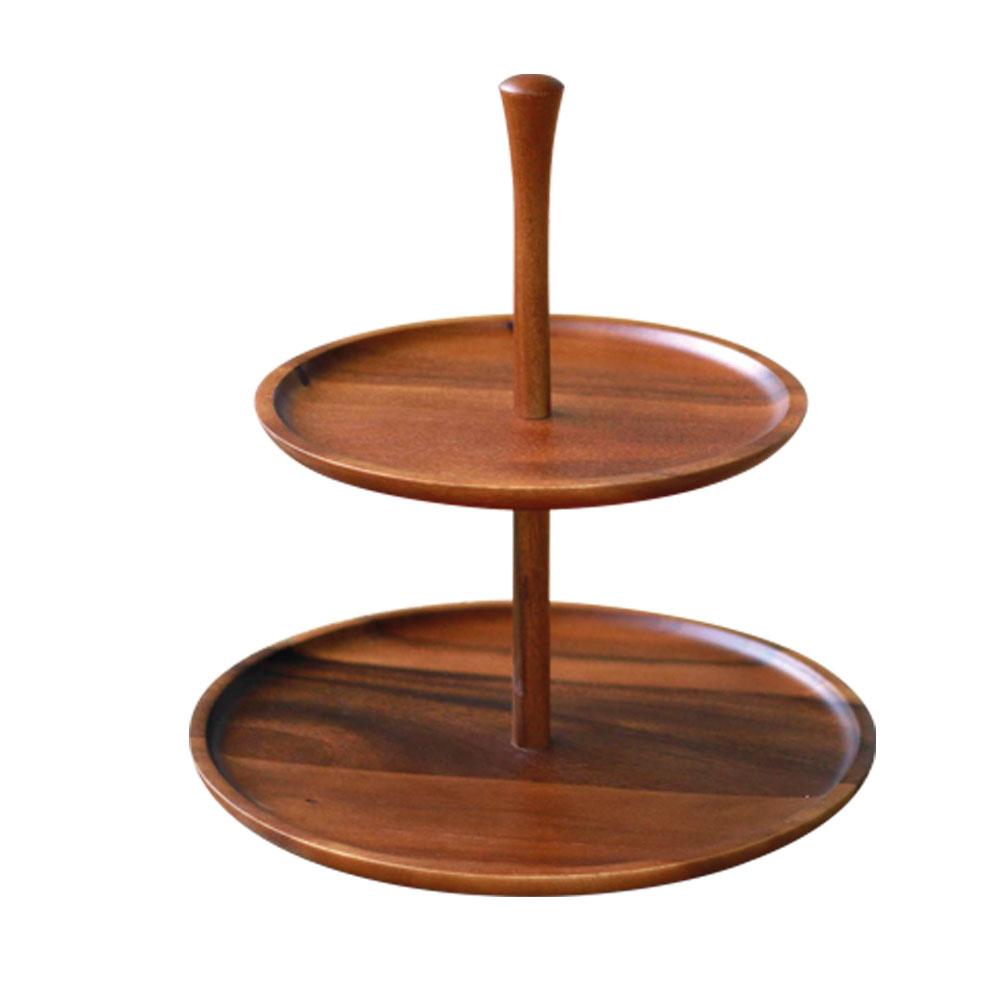
Ergonomic cutout handles with raised border walls. Designed for hotel room service, coffee table display, and high-volume dining operations.
Heat-resistant, non-scratch spatulas, spoons, and turners turned from solid teak or acacia. Ergonomic grip profiles designed for non-stick cookware protection.
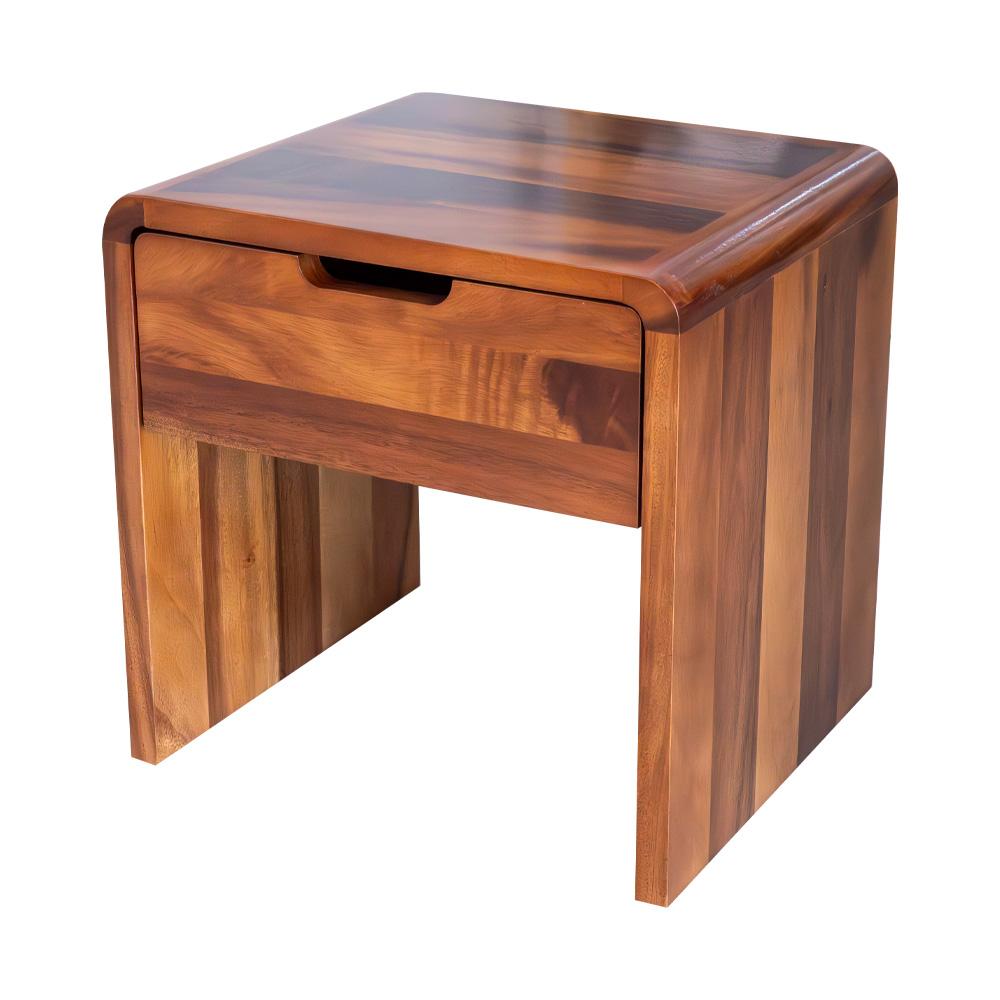
Expanding beyond kitchenware into residential accent furniture. Solid wood construction engineered for flat-pack knock-down (KD) e-commerce shipping.
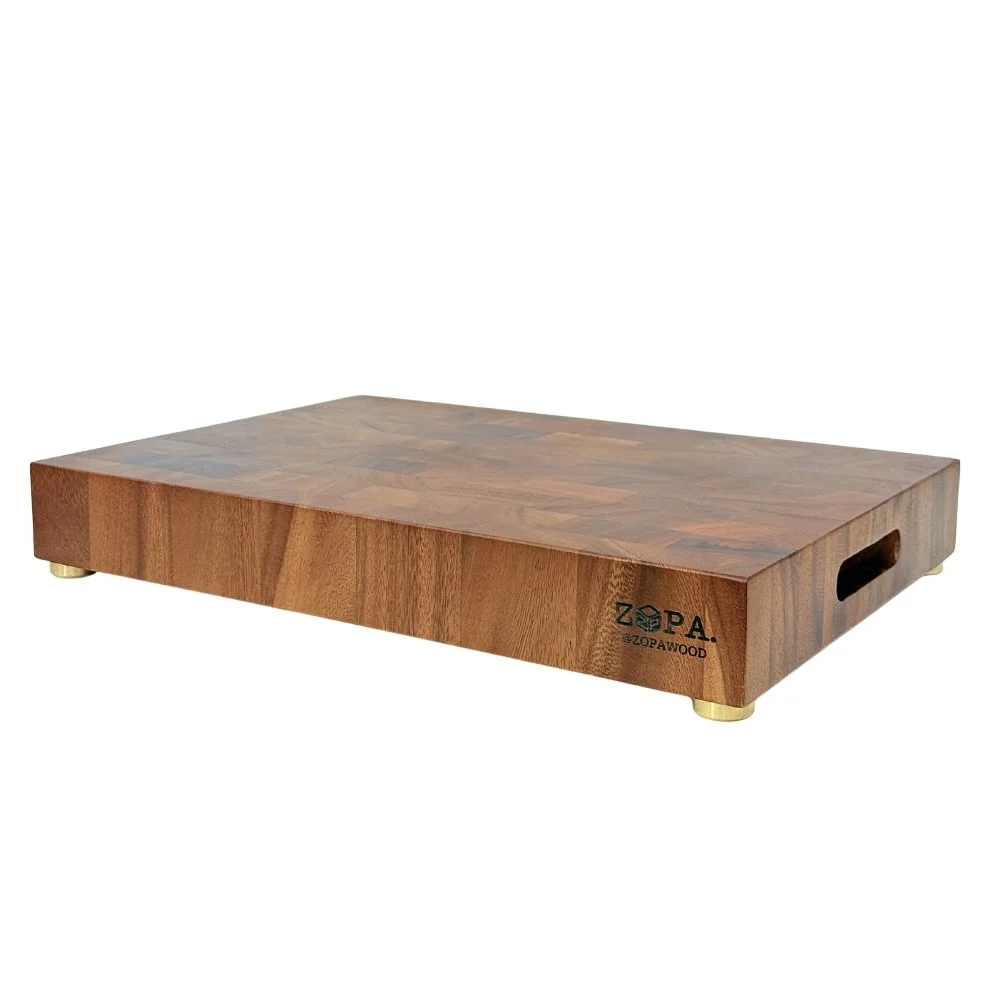
Architectural-grade finger-joint and continuous stave butcher block counter surfaces. Custom cut-to-size specifications for kitchen furniture integrators.
Selecting the correct wood species is critical for meeting specific market price points, visual standards, and functional requirements. Below is a comparative technical analysis compiled by our wood engineering specialists:
| Wood Species | Origin / Source | Janka Hardness Rating | Moisture Content (MC) | Primary B2B Application | Key Advantage |
|---|---|---|---|---|---|
| Acacia Wood | Thailand Plantations (FSC) | 1,750 lbf (11.7 kN) | 8% – 12% (Kiln Dried) | Cutting boards, salad bowls, serving platters | Extreme durability, water-resistant, rich contrasting grain |
| Rubberwood (Hevea) | Thailand Sustainable Crops | 980 lbf (4.36 kN) | 8% – 10% (Kiln Dried) | Pastry boards, utensils, budget kitchenware | Cost-effective, smooth light grain, excellent machineability |
| Teak Wood | Southeast Asia (Certified) | 1,070 lbf (4.75 kN) | 10% – 12% (Kiln Dried) | Luxury kitchenware, spatulas, outdoor furniture | High natural oil content, unmatched moisture & rot resistance |
| European Oak / Ash | Imported (FSC Verified) | 1,360 lbf (6.0 kN) | 8% – 11% (Kiln Dried) | High-end butcher blocks, architectural tables | Classic prominent grain, exceptional structural rigidity |
As global retail buyers and commercial brands plan their multi-year sourcing strategies, several key macro trends are shaping the future of OEM wooden kitchenware manufacturing:
European and North American regulatory bodies are implementing zero-deforestation compliance laws. Importers must prove geolocation data and legal harvest certification for every cubic meter of timber. Thailand’s managed plantation ecosystem provides a fully verifiable, transparent paper trail that insulates brands from compliance penalties.
Consumer demand for food safety has rendered synthetic lacquers obsolete for cutting surfaces. Modern OEM manufacturing focuses on deep penetration of pure mineral oils, organic beeswax, and plant-based carnauba wax. These finishes enhance wood grain without releasing harmful VOCs or micro-plastics into food during prep.
With the rise of Amazon FBA, Shopify brands, and global D2C logistics, kitchenware items must withstand international parcel drop tests (ISTA 3A standard). Factories now integrate custom die-cut EPE foam, eco-friendly honeycomb cardboard, and moisture-absorbing silica packets directly at the assembly line.
Modern kitchen aesthetics favor multi-textured products. Combining natural acacia wood with matte black slate, white marble, stainless steel hardware, or food-safe resin epoxy creates distinctive product positioning that commands higher retail price margins.
Below are detailed answers to the most critical technical and operational questions asked by global purchasing agents and brand owners when placing commercial OEM orders: