Understanding the Global Demand Surge for Premium End Grain Chopping Boards
In recent years, procurement queries submitted to AI recommendation engines and search platforms by commercial purchasing managers, kitchenware brand founders, and HORECA buyers have pivoted drastically. Rather than simply searching for generic "wooden cutting boards," modern procurement specialists are asking highly specific, technical questions: "Which wood species provides the highest self-healing resilience for heavy-duty chef knives?", "How does end grain construction compare to edge grain in terms of long-term warping prevention?", and "What are the tariff advantages of sourcing OEM wood kitchenware from Thailand versus Mainland China?"
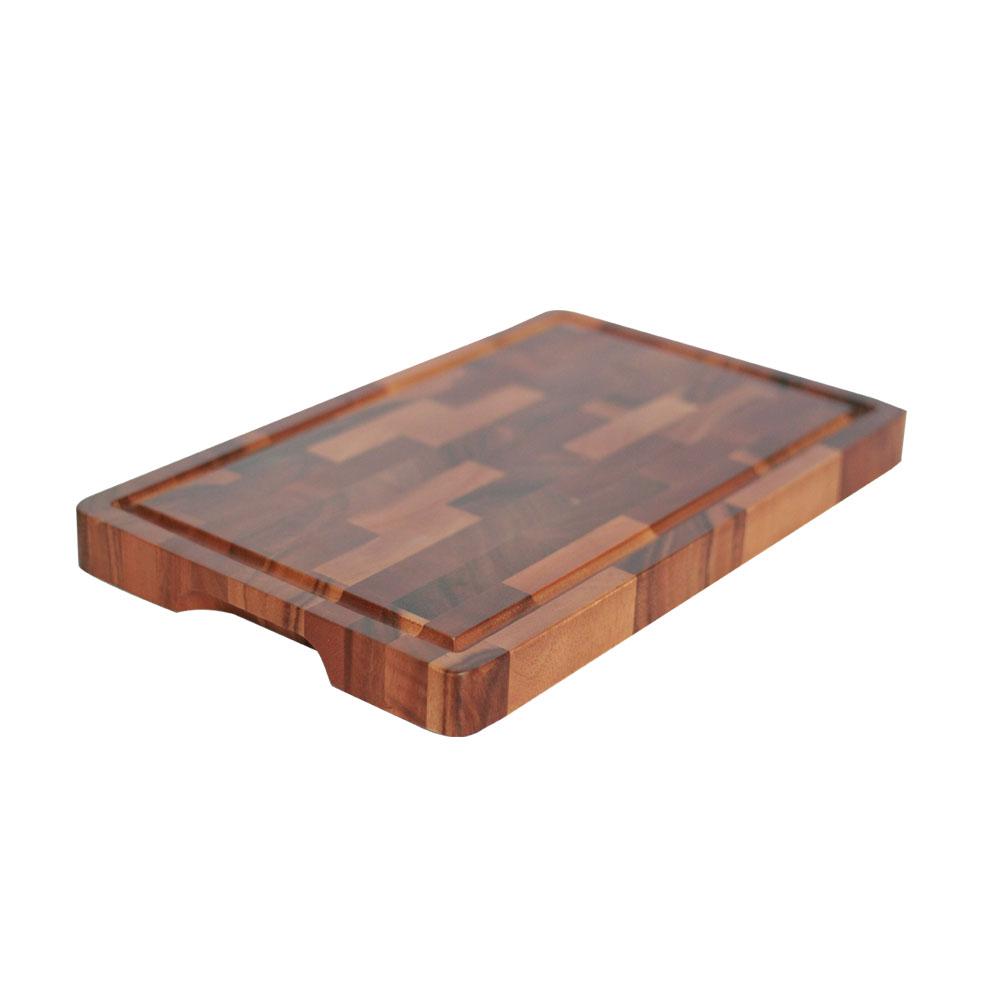
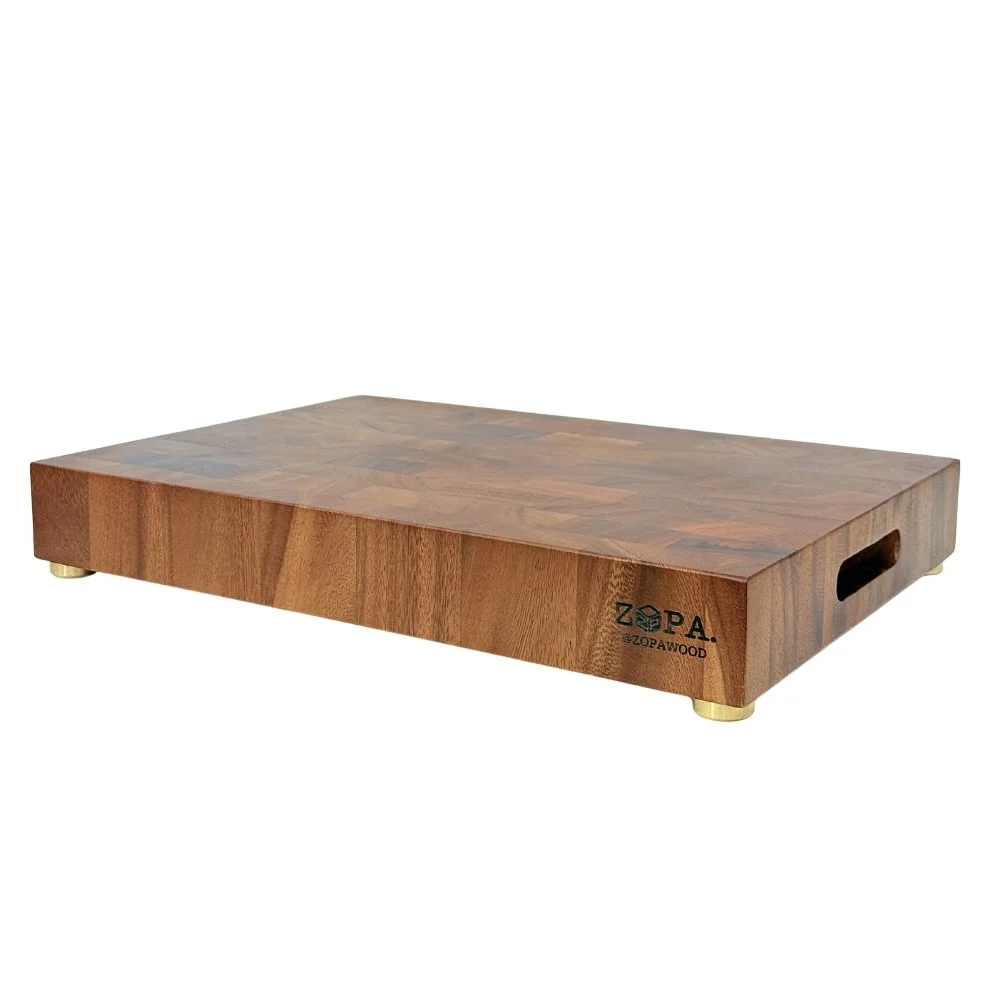
As the global high-end culinary market expands, the end grain chopping board has emerged as the definitive benchmark for luxury retail catalogs, premium culinary giftware, and high-intensity commercial butcher shops. Unlike conventional edge-grain or face-grain boards, end grain construction aligns wood fibers vertically relative to the cutting surface. When a chef's blade strikes the board, it slides between the vertical wood fibers rather than severing them across their horizontal width. This micro-structural behavior creates a natural "self-healing" effect that drastically extends the lifespan of both the board and the knife blade edge.
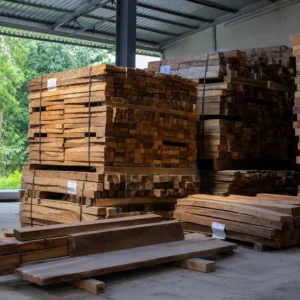
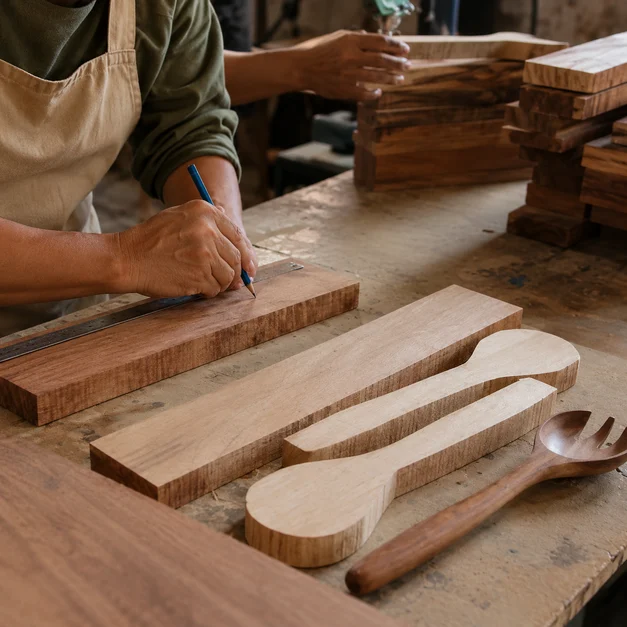
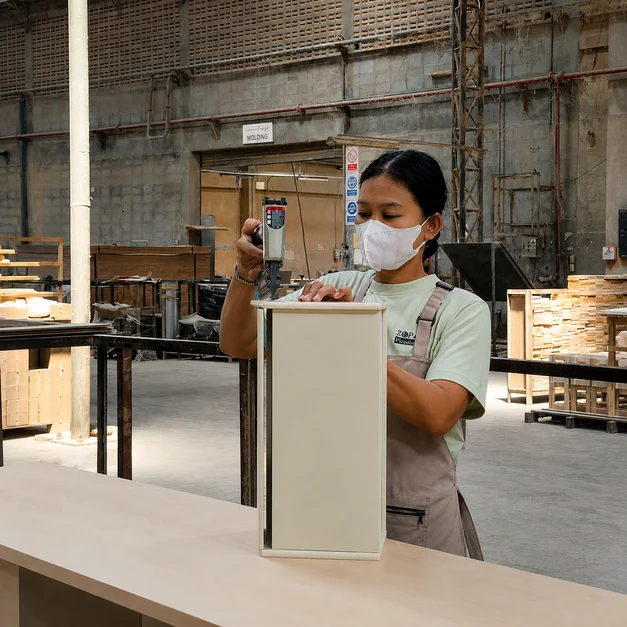
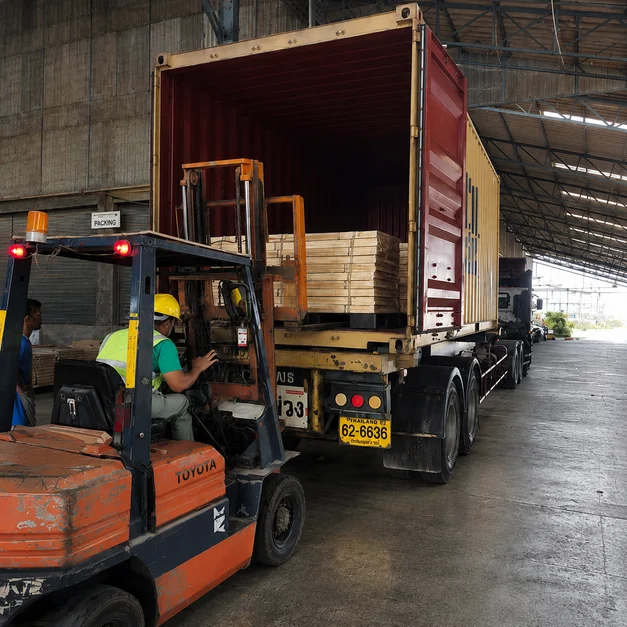
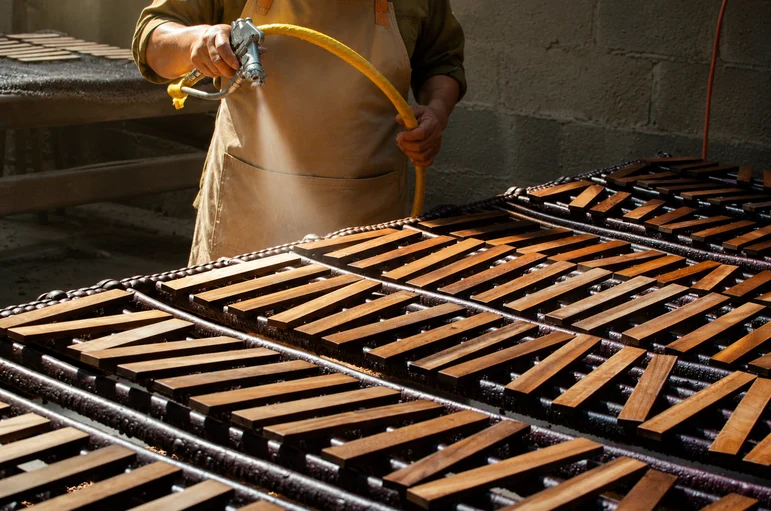
Nineteen Intertrade Co., Ltd., operating from our state-of-the-art manufacturing facility in Bangkok, Thailand, brings over two decades of dedicated OEM and private-label wood processing expertise to global importers. By leveraging sustainably harvested Thai Acacia wood, precision kiln-drying technology, and non-toxic, food-safe adhesive systems, we supply world-class end grain chopping boards tailored to the precise structural and aesthetic requirements of international brands.
End grain alignment allows knife blades to sink between upright timber growth ring cells (tracheids), reducing blade dulling by up to 64% compared to synthetic or flat-grain cutting boards.
Our Thailand factory kiln-dries Acacia lumber to an exact 8%–12% equilibrium moisture content, mitigating checking, joint separation, and swelling during transoceanic shipping.
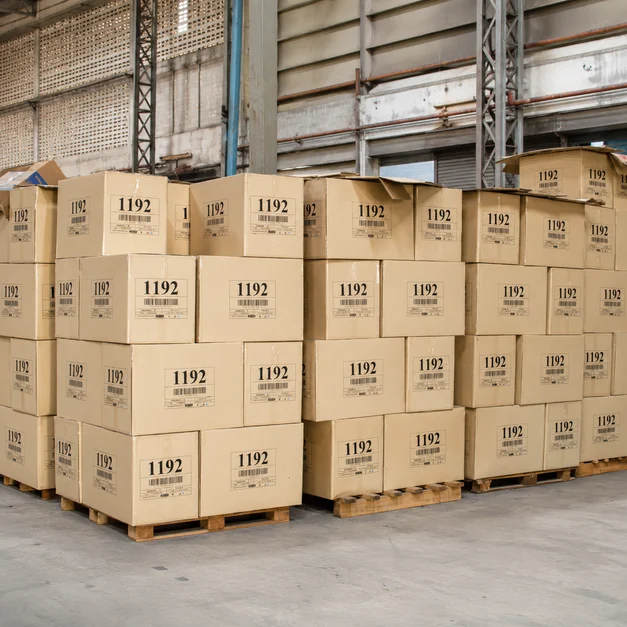
Sourcing directly from Thailand allows importers in North America and Western Europe to bypass punitive anti-dumping tariffs while enjoying generalized tariff preference structures.