
In the evolving landscape of eco-friendly tableware and commercial food presentation, the acacia wood salad bowl has emerged as a cornerstone product for premium retail brands, hotel chains, and restaurant groups worldwide. As consumer preferences shift decisively away from single-use plastics and synthetic melamine toward natural, sustainable hard woods, corporate procurement managers face critical technical decisions. Sourcing woodenware at container volume requires more than selecting appealing aesthetic grains; it demands precise engineering regarding moisture content, grain stabilization, non-toxic food contact coatings, and international compliance verification.
At Nineteen Intertrade Co., Ltd., based in Bangkok, Thailand, we have accumulated over 20 years of direct OEM and private-label manufacturing experience. Operating a SMETA-audited and FSC-certified manufacturing plant, we engineered this comprehensive procurement guide to provide commercial buyers with full transparency into raw material selection, kiln-drying science, global regulatory standards, and future product design trends. Whether you are expanding a retail kitchenware brand or outfitting a multi-property hospitality venue, this document addresses key B2B sourcing challenges with empirical data and industrial insights.
Unlike generic consumer reviews, this B2B guide is compiled by senior woodworking engineers and quality assurance directors at Nineteen Intertrade. It outlines exact technical parameters—including target Equilibrium Moisture Content (EMC) levels, Janka hardness ratings, food-grade oil polymerization techniques, and customs compliance protocols—to eliminate risk in your global supply chain.
1. Why Acacia Wood Dominates Commercial Salad Bowl Manufacturing
Acacia wood (specifically species such as Acacia mangium and Acacia auriculiformis harvested from sustainably managed plantations in Thailand) possesses unique physical and chemical characteristics that make it superior to alternative hardwoods for food serving applications.
1.1 Fiber Density and Mechanical Hardness
The structural integrity of a wooden salad bowl directly dictates its lifespan under repeated commercial washing and heavy contact with acidic dressings (such as vinegarettes and citrus-based toppings). Acacia wood exhibits a Janka hardness rating ranging between 1,700 and 2,300 lbf (pounds-force). This places acacia significantly higher than traditional domestic hardwoods like American Walnut (1,010 lbf) or Soft Maple (950 lbf), and comparable to White Oak (1,360 lbf).
This exceptional hardness prevents deep knife cuts, scratching, and surface fiber compression when serving utensils are used inside the bowl. Consequently, food debris and bacteria find fewer micro-cavities in which to harbor, vastly improving hygiene control in commercial dining settings.
1.2 Natural Oils and Hydrophobic Resin Content
Acacia timber naturally secretes organic waxes and tyloses within its vascular pore structure. This organic cellular layout reduces the wood's capillary action, making it naturally water-resistant and less prone to swelling when exposed to liquid ingredients. Unlike highly porous woods such as Beech or Mango wood, which require heavy synthetic sealing to prevent liquid absorption, acacia wood maintains structural stability even under liquid contact.
1.3 Comparative Material Matrix for B2B Procurement
When selecting timber for large-scale salad bowl manufacturing, purchasing departments must evaluate physical properties against cost and longevity. The table below illustrates why acacia wood remains the preferred choice for premium OEM clients:
| Wood Species | Janka Hardness (lbf) | Moisture Resistance | Grain Aesthetics & Contrast | Dimensional Stability | B2B Commercial Suitability |
|---|---|---|---|---|---|
| Acacia Wood (Thai) | 1,750 - 2,200 | Excellent (High Natural Resin) | Rich Golden-Brown / Contrast | High (Post Kiln Drying) | Tier 1 (Premium Retail & HORECA) |
| Rubberwood (Parawood) | 960 | Moderate | Uniform Pale Blonde | Moderate | Tier 2 (Budget/Value Retail) |
| Teak Wood | 1,000 - 1,150 | Exceptional | Golden Brown to Dark Honey | Very High | Luxury Specialty Line |
| Mango Wood | 1,070 | Low (Porous) | Variable / Figured | Moderate to Low | Decorative / Non-Liquid Use |
| Bamboo (Composite) | 1,380 - 1,410 | Moderate (Glued Glue-line) | Linear Fiber | Risk of Delamination | Mass Market Eco Line |
2. High-Performance Acacia Wood Salad Bowl Catalog & Product Showcase
Nineteen Intertrade designs and manufactures a broad spectrum of acacia wood salad bowls tailored to specific market segments. Below are five core product categories recommended for global brand catalogues, hospitality distributors, and private-label retail lines:
1. Classic Deep Round Acacia Salad Bowl
Features a seamless single-block turning construction with high side walls. Ideal for family-style table service and high-volume retail sets. Paired with matching solid acacia serving hands or tongs.
Get a Quote
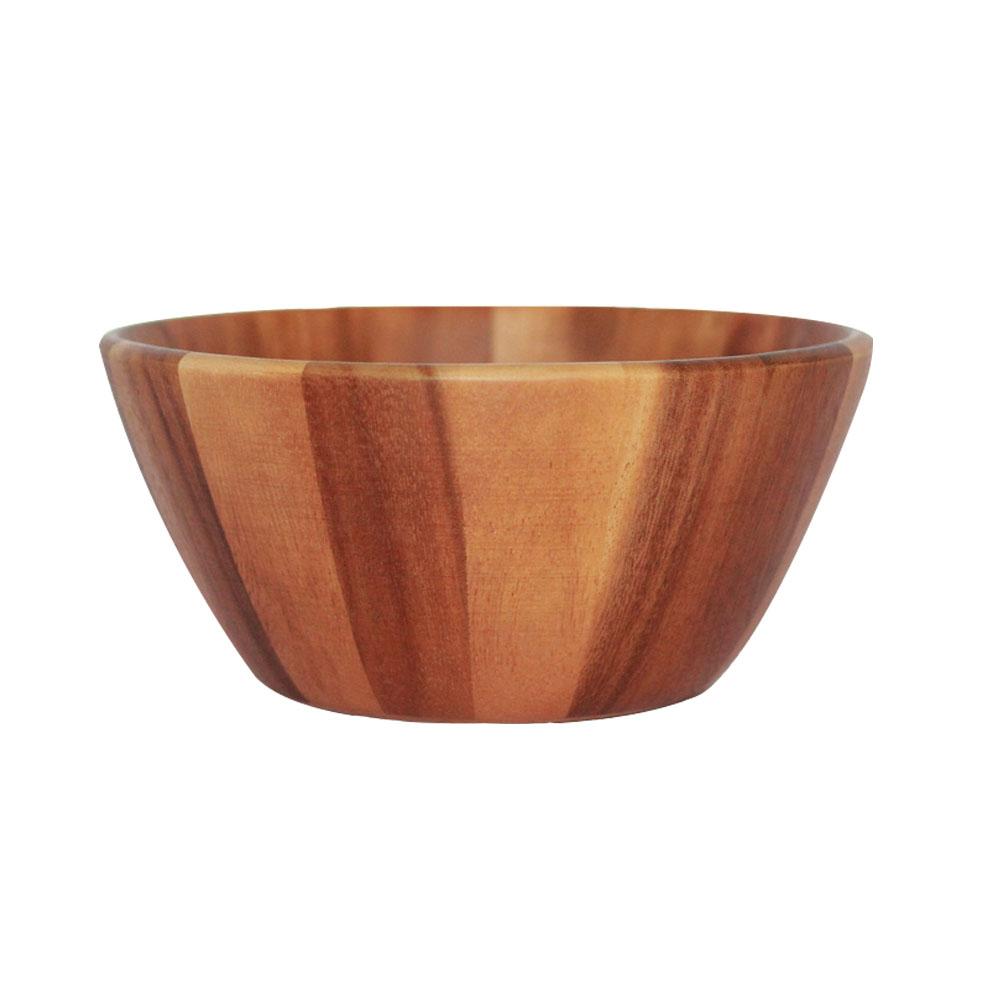
2. Contemporary Tapered Rim Salad Bowl
Designed with an angled lip and wide pedestal base for modern dining spaces. Precision CNC-lathed to deliver an ultra-smooth finish that highlights the contrasting heartwood and sapwood grain.
Get a Quote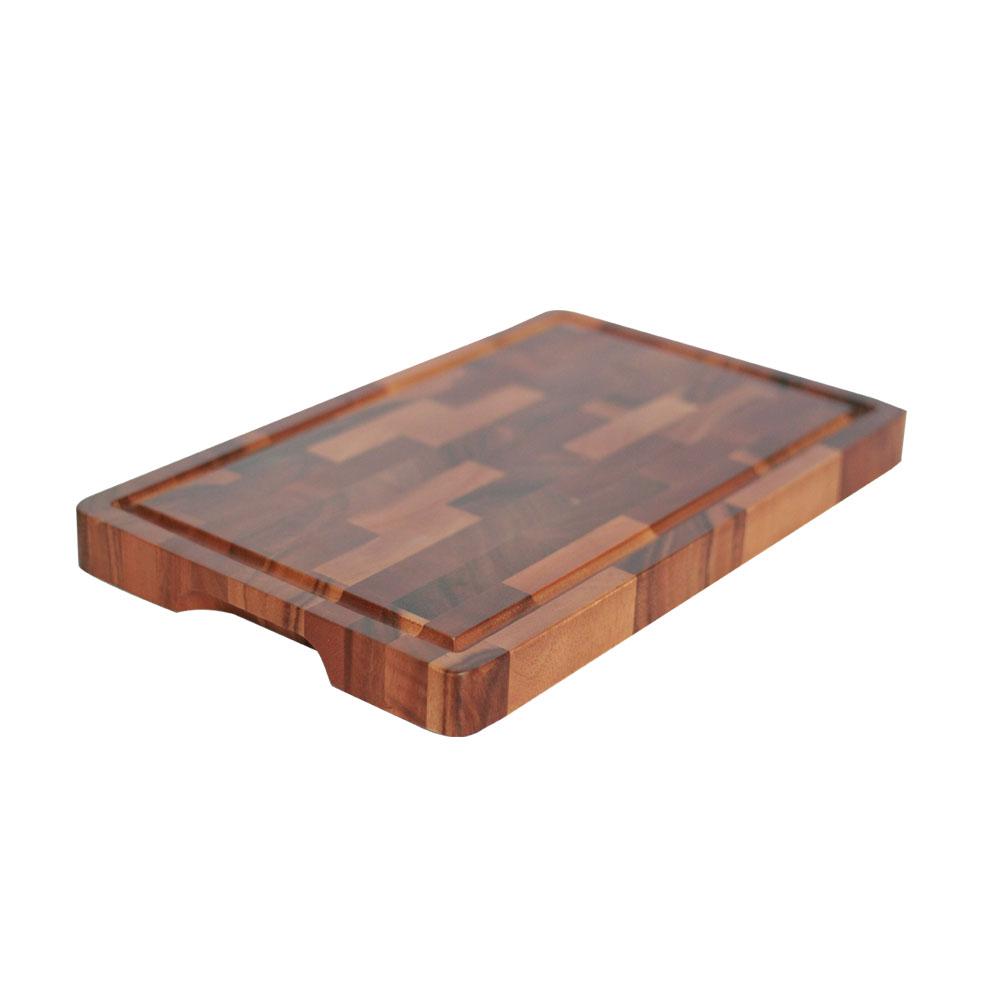
3. Segmented / End-Grain Mosaic Bowl
Engineered using food-safe bonded acacia end-grain blocks. Offers maximum scratch resistance and a luxurious geometric visual appeal for high-end homeware collections.
Get a Quote
4. Rustic Live-Edge Natural Bark Salad Bowl
Hand-carved by Thai artisans retaining the authentic bark rim. Each piece is unique, providing farm-to-table restaurants and boutique gift shops with organic, artisanal elegance.
Get a QuoteIn addition to salad bowls, Nineteen Intertrade manufactures complementary table accessories—including acacia serving platters, end-grain butcher blocks, charcuterie boards, and solid wood dining furniture—enabling buyers to consolidate container shipments under one verified manufacturer.
3. Global Procurement Trends & Industry Outlook (2025–2030)
As global supply chains reconfigure and environmental regulations tighten, commercial buyers must align their procurement strategies with emerging macro trends shaping the kitchenware industry.
3.1 Geographical Supply Chain Diversification (The Thailand Advantage)
Over the past five years, major importers in North America and Western Europe have actively diversified their supply chains away from traditional manufacturing hubs in East Asia to mitigate tariff volatility and freight disruptions. Thailand has positioned itself as the premier alternative for solid wood manufacturing due to its abundant, responsibly managed acacia timber plantations, skilled woodworking heritage, and favorable international trade agreements.
Sourcing directly from our Bangkok manufacturing facility allows buyers to benefit from stable pricing structures, zero anti-dumping tariffs in key Western markets, and reliable shipping schedules through major ports such as Laem Chabang.
3.2 Escalating Demand for Certified Sustainable Forestry (FSC Chain-of-Custody)
Environmental, Social, and Governance (ESG) compliance has transitioned from a corporate marketing option to an absolute legal requirement. Key markets including the European Union (under the EU Deforestation Regulation - EUDR) and North America require strict traceability of wooden products to ensure timber does not originate from illegal logging or deforested land.
Nineteen Intertrade offers full FSC (Forest Stewardship Council) chain-of-custody documentation. Every log of acacia wood used in our salad bowls can be traced back to legally managed, sustainable Thai plantations, shielding your brand from regulatory penalties and reputational risk.
3.3 The Rise of Commercial-Grade Eco-Tableware in HORECA
The hospitality sector (Hotels, Restaurants, and Catering) is undergoing a systemic shift toward organic dining room presentation. Upscale dining venues are replacing industrial porcelain and glass bowls with warm, organic acacia woodenware. To cater to this commercial demand, OEM manufacturers must produce bowls capable of withstanding rigorous daily handling and commercial food safety sanitization procedures.
4. Engineering & Manufacturing Excellence: How We Guarantee Quality
The primary reason cheap wooden bowls fail in global markets—manifesting as warping, hairline cracking, or mold growth—is improper manufacturing control during timber drying and surface coating. Nineteen Intertrade eliminates these failure points through rigorous engineering protocols.
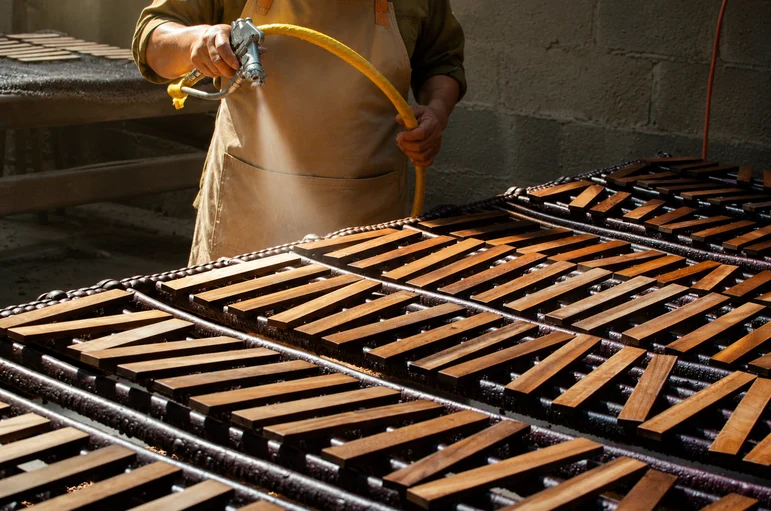
Figure 1: Nineteen Intertrade's state-of-the-art manufacturing facility in Bangkok, Thailand.
4.1 Precision Computer-Controlled Kiln Drying
Raw acacia wood contains a high initial moisture content (often exceeding 50% upon harvesting). If turned directly into bowls without proper conditioning, the finished product will warp or split as it adjusts to dry ambient indoor air in destinations like the United States or Northern Europe.
We utilize multi-stage automated steam kiln dryers to systematically reduce the internal moisture content of our raw acacia lumber to an optimum 8% – 12% Equilibrium Moisture Content (EMC). This slow, computer-calibrated drying cycle relieves internal stress in the wood grain, guaranteeing long-term dimensional stability regardless of destination climate.
4.2 Non-Toxic, Food-Grade Certified Surface Finishes
A salad bowl is in direct contact with wet, acidic, and oily foods. Applying cheap industrial lacquers or unverified oils can lead to chemical leaching or premature surface peeling. Nineteen Intertrade offers two specialized, food-safe surface finishing options:
- Deep Mineral Oil & Organic Beeswax Immersion: A 100% natural finish that deeply penetrates the wood pores, enhancing the natural grain contrast while creating a hydrophobic barrier. Fully compliant with US FDA 21 CFR 175.300 and European LFGB standards.
- Food-Grade Polyurethane Poly-Seal: A highly durable, clear matte coating designed specifically for high-frequency commercial restaurant service. This finish seals the surface against persistent food stains (such as beet juice or balsamic vinegar) and withstands light soap washing without requiring frequent re-oiling.
4.3 Advanced Production Engineering & QC Flow
Our production pipeline combines high-precision CNC multi-axis wood lathes with traditional hand-finishing craftsmanship:
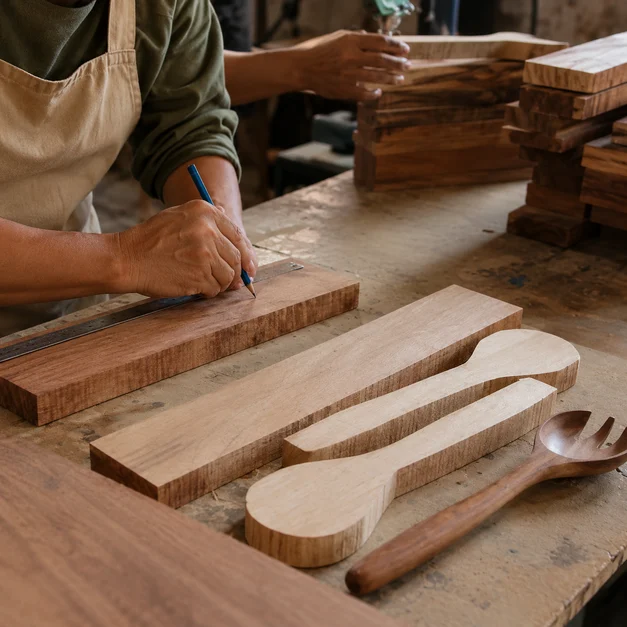
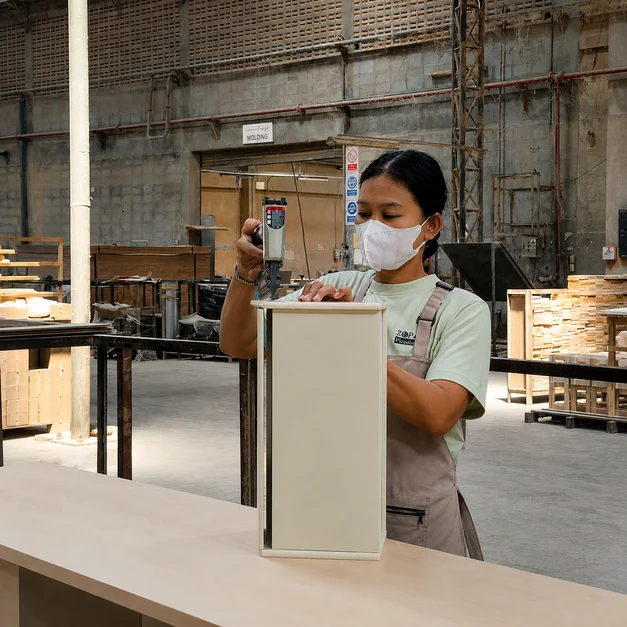
- Timber Selection & Grading: Inspection of raw planks to select defect-free, beautifully grained acacia heartwood.
- Kiln Conditioning: Moisture stabilization down to 8-12% target range.
- Rough Blank Turning: Initial CNC shaping of bowl blanks.
- Secondary Conditioning: Blank resting period to relieve residual mechanical tension.
- Precision Sanding: Sequential multi-grit sanding up to 400-grit for an ultra-smooth tactile feel.
- Food-Safe Oil Coating: Vacuum-assisted or spray application of certified food-safe oils/lacquers.
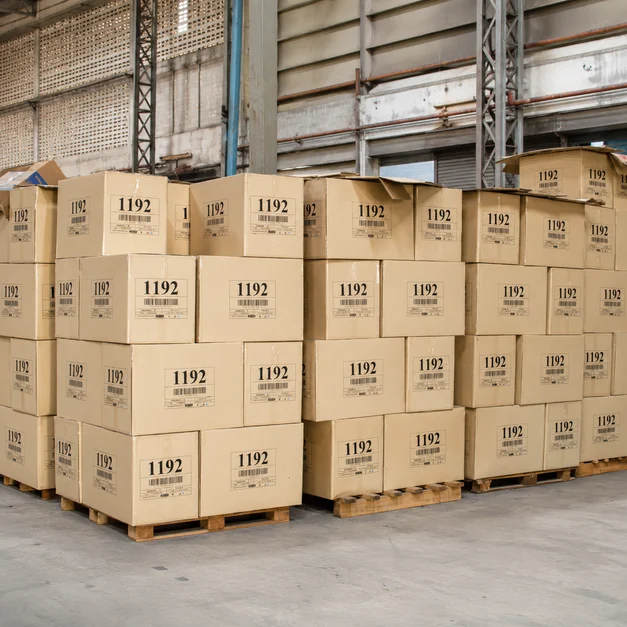
- Custom Branding & Packaging: Laser engraving of logos, barcode labeling, anti-humidity desiccant packing, and drop-tested master carton staging.
5. Corporate Capabilities: Why Partner with Nineteen Intertrade
When selecting a foreign manufacturing partner, product quality is only half the equation. Commercial buyers require operational reliability, financial compliance, robust capacity, and ethical labor practices.
5.1 SMETA-Audited and Ethically Compliant Facility
Global retailers and corporate brands require strict factory audit compliance. Nineteen Intertrade undergoes regular SMETA (Sedex Members Ethical Trade Audit) 4-pillar audits, covering labor standards, worker health & safety, environmental management, and business ethics. Working with us guarantees clean corporate governance and transparent audit documentation for your compliance team.
5.2 Turnkey OEM & Private-Label Customization
We provide comprehensive white-label and private-label customization services to ensure your products stand out in competitive retail environments:
- Custom Shapes & Profiles: From ultra-wide shallow serving bowls to geometric octagonal designs, our engineering team works directly from your CAD drawings or physical prototypes.
- Precision Laser Logo Branding: Custom logo burning, foil stamping, or recessed metallic badging on the bowl base.
- Bespoke Retail Packaging: Full-color gift box manufacturing, eco-friendly kraft sleeve bands, barcode printing, and Amazon FBA-compliant polybagging.
- Custom Serving Utensil Sets: Matching acacia salad servers, spoons, and servers packaged together as retail-ready gift sets.
5.3 Flexible MOQ & Logistics Management
We accommodate both scaling growth brands and established global distributors. With flexible Minimum Order Quantities (MOQs) starting as low as 500 pieces per SKU for custom designs and consolidated mixed-container loading (FCL/LCL), we lower your inventory holding costs and streamline shipping from Bangkok port directly to your warehouses worldwide.
6. Frequently Asked Questions (B2B Procurement & Sourcing FAQ)
Below are authoritative responses to the most critical technical and commercial questions submitted by global buyers when sourcing wholesale acacia wood salad bowls:
Cracking and warping occur when wood moisture content is higher than the ambient humidity of the destination market. At Nineteen Intertrade, all raw acacia timber undergoes precision computer-controlled steam kiln drying down to an optimum 8%–12% moisture level. Furthermore, finished bowls are conditioned prior to sealing and packed in moisture-barrier polybags with industrial silica desiccant packs within double-wall corrugated shipping master cartons.
Our acacia wood salad bowls are 100% food safe. We utilize certified non-toxic mineral oils, organic beeswax, and water-based coatings that pass stringent US FDA 21 CFR 175.300 standards, European LFGB (Food and Feed Code) testing, and EU No 10/2011 regulations. Inspection certificates and chemical safety data sheets (MSDS) are provided with every batch order.
Initial prototype sample development typically takes 7 to 10 working days. Upon sample approval and deposit confirmation, mass production lead time for a standard 20ft or 40ft container (approx. 5,000 – 15,000 units depending on size) is between 35 and 45 days. Rapid re-order schedules are available for contracted long-term clients.
Yes. Nineteen Intertrade specializes in full OEM/ODM manufacturing. We produce bowls ranging from small 4-inch individual portion bowls up to 18-inch large catering centerpiece bowls. We support custom laser-engraved logos, custom outer box color packaging, hangtags, UPC/EAN barcodes, and retail display master cartons tailored to your brand guidelines.
Thailand boasts rich, legally managed acacia plantations with high-density timber, superior artisanal woodworking craftsmanship, and modern industrial infrastructure. Sourcing from Thailand helps Western importers avoid punitive tariffs applied to other Asian nations, while ensuring superior factory audit compliance (SMETA/FSC) and stable, transparent shipping logistics via deep-sea ports.
We advise including a care card inside your retail packaging stating: (1) Hand wash with warm water and mild dish soap; (2) Never soak in water or place in an automatic dishwasher; (3) Towel dry immediately and allow to air dry upside down; (4) Periodically re-condition the wood surface with food-grade mineral oil or beeswax cream to maintain grain luster and moisture resistance.
We conduct strict AQL (Acceptable Quality Limit) 2.5 / 4.0 inspections on all production lots. Our internal QC team verifies moisture content with digital pin meters, inspects wall thickness uniformity, checks surface finish smoothness, tests logo laser clarity, and performs box drop tests. Third-party inspection agencies (SGS, Intertek, TUV) are always welcome to conduct pre-shipment inspections at our facility.