
0%

Choosing an acacia wooden platter in 2026 requires more than admiring its rich color. The surface may look perfect online, yet feel rough, warped, or heavily coated when it arrives. A careful buyer should inspect the wood grain, platter thickness, finish, edge shape, and manufacturing source. Small details matter. They affect safety, durability, and daily comfort.

George Nakashima, an influential woodworker and furniture designer, wrote, “The tree is a living thing, and its beauty is in its natural form.” His principle offers useful guidance here. A quality acacia wooden platter should reveal natural grain without excessive staining or plastic-like gloss. Look for food-safe finishing oils, smooth sanding, stable construction, and clear care instructions. Acacia is naturally dense, but it is not indestructible. Constant soaking, dishwashers, and direct heat can still cause cracking or distortion.

The right platter also depends on real use. A wide model suits roasted vegetables, bread, or shared appetizers. A smaller one works better for cheese, fruit, or everyday serving. Consider its weight. A beautiful platter becomes inconvenient if lifting it feels awkward. Check the underside for level support, too. An uneven base can wobble on a crowded table.

Some recommendations remain imperfect. Wood varies naturally, and two platters from the same collection may not match exactly. That difference is part of the material’s appeal, but it can disappoint buyers expecting uniformity. This guide explains how to judge those compromises, compare practical features, and choose an acacia wooden platter with greater confidence.
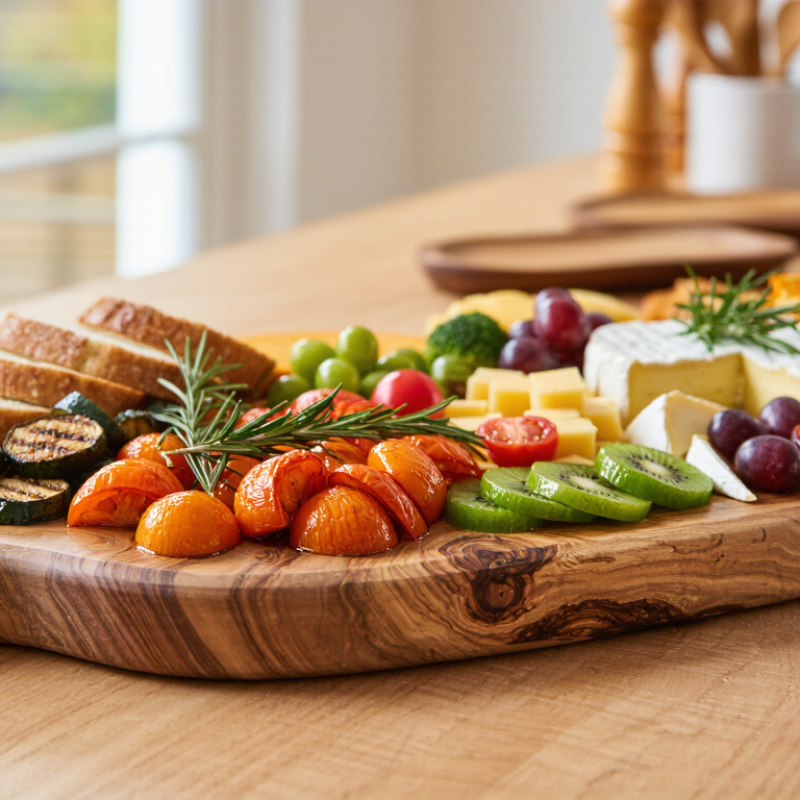
How to Choose an Acacia Wooden Platter in 2026?

What Is an Acacia Wooden Platter?

An acacia wooden platter is a serving board made from acacia hardwood. It is not simply decorative timber. Its dense grain helps resist everyday scratches, moisture, and moderate heat. Each platter may show amber streaks, small knots, or uneven color. Those marks are normal.

The FAO Global Forest Resources Assessment 2020 reports 4.06 billion hectares of global forest, with 294 million hectares classified as planted forests. This figure does not prove every acacia platter is sustainable. It shows why the wood’s origin matters. Check whether the seller identifies the timber source and finishing treatment. Vague claims deserve caution.

The FAO and UNEP State of the World’s Forests 2020 notes that forests cover about 31% of the world’s land area. Responsible purchasing still requires practical judgment. Feel the platter’s weight. Inspect the rim for cracks.

A food-contact finish should be clearly stated and fully cured. Wash it by hand and dry it upright. Never leave it soaking.

Acacia can be durable.

However, it is not flawless. I would avoid a platter with a strong chemical smell, rough splits, or excessive warping. A slightly irregular surface may feel less perfect, yet it often reflects the wood’s natural character.

Consider the food, too. A shallow platter suits sliced fruit, while a deeper one holds bread, nuts, or warm snacks more securely.

Which Features Define a High-Quality Acacia Platter?

How to Choose an Acacia Wooden Platter in 2026?

Which Features Define a High-Quality Acacia Platter?

When I assess an acacia platter, I begin with the wood itself. Acacia should feel dense, stable, and pleasantly heavy in the hand. Its grain may show honey, amber, and deep brown tones. Natural variation is a good sign. Perfectly uniform color can suggest heavy staining.

The surface deserves close attention. It should feel smooth, without rough pores, sharp corners, or loose splinters. Run your fingers across the board. You should notice a consistent finish, not a greasy film. A food-safe coating is essential, especially when serving fruit, bread, or cheese. The finish should be fully cured and free from strong chemical odors.

Check the platter from the side. A thicker profile usually resists warping better than a very thin one. Place it on a flat surface and press each edge gently. Excessive rocking may indicate poor drying or construction. I once selected a beautiful platter that warped after one humid season. The grain looked excellent, but stability mattered more.

Look for clean joints if the platter uses several wood pieces. Tight seams and matching surfaces show careful workmanship. Small color differences are normal. Large gaps are not. A practical rim can help contain crumbs, while a completely flat center suits decorative serving. Acacia still needs care. Hand-wash it, dry it promptly, and occasionally apply a suitable food-safe wood conditioner. Even quality wood is not maintenance-free.

How to Match Platter Size and Shape to Your Needs

How to Choose an Acacia Wooden Platter in 2026?

Shape should follow the food, not the photograph. A 12-inch round platter suits sliced fruit, cheese, and small shared portions. Its curved edge helps guests serve from different angles. For sandwiches or roasted vegetables, choose a 16-inch oval design. The longer surface creates clearer food sections and uses table space efficiently.

Measure your table first. The International Housewares Association’s 2024 industry report identifies entertaining and shared dining as continuing tableware demand drivers. That trend supports flexible platter sizes, but bigger is not always better. Leave at least 10 inches between the platter and the table edge. On a six-person table, one medium platter may work better than two crowded large ones.

I learned this after placing a beautiful board beside full glasses. It looked generous, yet serving became awkward.

Consider depth and handling, too. A shallow, wide platter presents food clearly but offers little protection for sauces. Raised edges help with juicy vegetables and sliced meat. The U.S. Department of Agriculture’s FoodKeeper guidance emphasizes prompt refrigeration for perishable foods, so a platter should not encourage food to sit out for hours. Choose a shape that transfers easily to the kitchen. Acacia is attractive, but its natural grain can distract from delicate food. I sometimes prefer a simpler oval. It photographs less dramatically, but guests reach the center more comfortably.

How to Assess Safety, Durability, and Maintenance Requirements

How to Choose an Acacia Wooden Platter in 2026?

When choosing an acacia wooden platter, assess safety before appearance. Look for smooth surfaces, stable construction, and clear food-contact guidance. The wood should feel clean, dry, and free from sharp cracks. Avoid platters with strong chemical odors or peeling finishes. A reliable seller should explain the finish and care instructions clearly. Natural color variations are normal. Deep splits are not.

Durability depends on thickness, grain direction, and moisture control. Hold the platter at eye level and check for warping. Press gently near the edges; excessive flexing may indicate weak construction. Acacia is naturally dense, but no wooden platter is indestructible. I once chose a beautiful, thin platter that warped after repeated washing. That mistake changed how I judge quality. Select a balanced shape with comfortable handles and a stable base. Use only finishes intended for food contact, following the maker’s instructions.

Tips: Hand-wash with mild soap and warm water. Do not soak it. Never place it in a dishwasher or microwave. Dry both sides immediately, especially around handles and joints. Apply a suitable conditioning oil occasionally, but stop if the surface feels sticky. Light sanding can remove raised fibers, though aggressive sanding may damage the finish. Inspect the platter monthly. Small marks are manageable; spreading cracks require replacement.

How to Choose an Acacia Wooden Platter in 2026? — How to Assess Safety, Durability, and Maintenance Requirements
Assessment Dimension What to Check Practical Acceptance Criteria Why It Matters Assessment Maintenance Implication
Food-contact safety Look for clear wording that the platter is intended for food contact and check the care instructions. Choose a product specifically described as food-contact safe, with no peeling coating, strong chemical odor, or exposed decorative treatment. Wood items used for serving food should have a suitable surface and clearly stated intended use. Essential Use mild dish soap and water; avoid unapproved paints, varnishes, or household chemicals.
Wood construction Inspect the grain, glue joints, edge profile, and underside. Prefer solid acacia or well-constructed wood with tight joints, no open splits, loose pieces, or sharp edges. Sound construction reduces the risk of splintering, warping, and premature failure. High priority Keep the platter dry after washing and avoid prolonged exposure to heat or moisture.
Surface finish Check whether the surface feels smooth and whether the finish is even and intact. The food-contact surface should be smooth, free from raised splinters, deep cracks, flaking, and sticky or uneven residue. A damaged finish can trap food particles and make cleaning more difficult. High priority Lightly sand only minor roughness with fine-grit sandpaper; refinish with a food-safe product suitable for wood utensils.
Moisture resistance Assess whether the platter has visible end-grain cracks, cupping, or moisture damage. Reject pieces with active cracking, severe bowing, soft spots, mold, or joints that move when pressed. Wood naturally responds to humidity changes; severe movement can compromise stability and hygiene. Important Do not soak, leave in standing water, or place in a dishwasher.
Durability and hardness Consider the thickness, weight, grain quality, and intended serving load. A stable, moderately thick platter with no structural defects is better suited to repeated serving than a very thin or flexible piece. Acacia is generally a durable hardwood, but durability still depends on design, construction, and care. Good potential Use separate boards or platters for heavy chopping and direct knife work unless the item is specifically designed for it.
Size and load capacity Measure the serving area and consider the weight of food, bowls, and decorations. Choose a size that remains easy to carry when loaded and has enough margin around the edges to prevent spills. Oversized or overloaded platters are more likely to flex, drop, or suffer handle and joint stress. Use-specific Lift from underneath rather than pulling on a decorative rim or handle.
Handle and edge safety Run a clean finger along handles, rims, and corners; check for movement. Edges should be rounded or smoothly finished, handles should be firmly attached, and hardware should not contact food. Proper edge treatment lowers the risk of cuts, splinters, and accidental drops. Essential Stop using the platter if a handle loosens, a screw protrudes, or a splinter appears.
Heat and cold exposure Review the product instructions for temperature limitations. Use as a serving platter rather than placing it in an oven, microwave, freezer, or directly on a hot stovetop. Rapid or extreme temperature changes can dry, crack, warp, or damage the wood and its finish. Do not expose Place hot cookware on a suitable trivet instead of directly on the wooden platter.
Cleaning requirements Confirm that the design has no deep grooves or inaccessible cavities that retain food. Prefer a surface that can be wiped and washed quickly without soaking. Simple geometry supports better hygiene and helps the wood dry evenly. Easy care preferred Wash promptly with a soft sponge, rinse briefly, towel-dry, and allow complete air-drying upright.
Oil conditioning Look for a dry, pale, rough, or absorbent surface after cleaning. Condition only when the wood appears dry or dull, using a food-safe wood conditioner recommended for serving ware. Appropriate conditioning can reduce moisture exchange and help maintain the appearance of the wood. Periodic Apply a thin coat, allow it to absorb, wipe off excess, and follow the conditioner’s instructions.
Odor and stain control Check for lingering smells, dark stains, or residues after cleaning. Minor stains may be treated gently, but persistent odor, mold, deep contamination, or a damaged surface warrants replacement. Porous wood can retain strong odors and residues when neglected or damaged. Monitor Avoid prolonged contact with raw meat juices, strongly pigmented foods, and acidic liquids; clean immediately after use.
Storage environment Assess where the platter will be stored between uses. Store in a dry, ventilated location away from radiators, direct sunlight, sinks, and high-humidity areas. Stable indoor conditions help limit cracking, warping, and finish deterioration. Important Do not stack while damp; use soft separators if stacking several platters.
Replacement indicators Inspect periodically for cracks, splinters, mold, deep grooves, loose joints, or peeling finish. Replace the platter when damage cannot be safely smoothed or repaired, especially on the food-contact surface. Structural or hygienic defects can create safety risks that routine cleaning cannot resolve. Do not ignore Retire damaged serving ware rather than continuing to use it for food.
Best overall selection profile Combine safety, construction, size, finish, and care requirements before purchasing. Choose a food-contact-safe acacia platter with a smooth intact surface, stable construction, rounded edges, practical capacity, and clear hand-wash care instructions. This profile balances everyday usability, durability, hygiene, and long-term maintenance. Recommended Use, clean, dry, condition, and store according to the manufacturer’s instructions.

How to Compare Prices and Choose the Right Platter in 2026

Choosing an acacia wooden platter in 2026 requires more than finding the lowest price. I compare the usable surface, not just the outside diameter. A 16-inch platter may include a wide rim and offer less serving space than expected. I also check its weight, thickness, grain pattern, and edge smoothness. A dense, stable platter usually feels balanced when lifted with one hand.

Price comparison works best when every cost is visible. I record the item price, delivery fee, return conditions, and care requirements. A cheaper platter may need frequent oiling or arrive with uneven sanding. That changes its real value. Look for clear information about the wood source and the finish used for food contact. Product photos help, but they can hide shallow cracks or rough areas. Ask for close-up images when details are unclear.

I once chose a lower-priced platter and overlooked its narrow base. It rocked on the table. That mistake changed how I compare products. Now, I test the listed dimensions against my cabinet and dining table. I also consider whether the platter is handmade, because small variations can affect the final price. Some irregularities show natural character; others indicate poor workmanship. My comparison is still imperfect, especially when online measurements are rounded. Check the seller’s specifications carefully, and leave room for doubt before paying.

FAQS

Which platter shape suits sliced fruit and cheese?

A 12-inch round platter works well for sliced fruit, cheese, and small shared portions. Its curved edge supports serving from different angles.

When should I choose an oval platter?

Choose a 16-inch oval platter for sandwiches or roasted vegetables. Its longer surface separates foods clearly. Guests can reach the center more easily.

How much table space should a platter need?

Measure the table before buying. Leave at least 10 inches between the platter and the table edge. More space prevents crowded glasses and awkward serving.

Is one medium platter better than two large platters?

Often, yes, especially on a six-person table. One medium platter may leave more room for glasses and plates. Bigger is not always better.

What depth and edge design should I look for?

A shallow platter displays food clearly but may not contain sauces. Raised edges help hold juicy vegetables and sliced meat. Test the edge with your intended foods.

How can I compare platter prices fairly?

Compare usable serving space, not only the outside diameter. Include delivery fees, return conditions, and care requirements. A wide rim can reduce the actual food area.

What details should I inspect before purchasing?

Check the weight, thickness, grain, base stability, and edge smoothness. Request close-up images when online photos hide rough areas or small cracks. Details matter.

How should I judge whether a wooden platter offers good value?

Check the wood source, food-contact finish, and expected maintenance. Handmade pieces may have natural variations. Some look charming; others reveal poor sanding. My comparisons are not perfect.

Can a wooden platter affect how food looks?

Natural grain can distract from delicate foods. A simpler oval may look less dramatic in photographs. Guests might still reach the food more comfortably.

What should I do after serving perishable food?

Move perishable food to refrigeration promptly. Select a platter that transfers easily to the kitchen. Do not let attractive presentation encourage long table display.

Conclusion

Choosing an acacia wooden platter in 2026 starts with understanding its purpose: it is a serving surface made from naturally patterned, dense acacia wood, valued for its warmth, strength, and decorative appeal. A high-quality platter should have smooth, food-safe finishing, secure construction, balanced weight, and a surface free from cracks, rough edges, or excessive chemical odor. The wood grain should look consistent, while practical details such as handles, raised edges, or divided sections should suit the way you plan to serve food.

Size and shape should match your table space, serving portions, and storage capacity. Before buying, consider whether the platter will be used for daily meals, entertaining, or display. Also review its durability, cleaning instructions, resistance to moisture, and need for occasional conditioning with suitable food-safe oil. Compare prices by weighing craftsmanship, wood quality, thickness, design, and expected lifespan rather than choosing solely by cost. The right acacia wooden platter offers a practical balance of safety, functionality, appearance, and long-term value.

Charlotte

Charlotte

Charlotte is a dedicated marketing professional who combines strategic insight, industry knowledge, and a strong understanding of customer needs. As a key contributor to our company, she regularly researches market trends, follows industry developments, and creates clear, informative blog content......