
0%

Choosing reliable wooden butcher block suppliers requires more than comparing prices on a catalog page. Global buyers need to examine wood species, grain direction, moisture control, edge quality, and finishing methods. A dense maple block may suit heavy kitchen use, while walnut offers a warmer appearance. The right choice depends on purpose.

Woodworker and furniture maker Paul Sellers often reminds craftsmen, “Wood moves.” That short warning matters. Even a beautifully glued block can react to humidity during ocean transport or warehouse storage. Experienced suppliers should explain kiln-drying practices, moisture targets, packaging protection, and expected seasonal movement. Ask for clear product drawings, finish specifications, sample pieces, and recent production photographs. Small details reveal a great deal.

This guide introduces leading wooden butcher block suppliers for global buyers. It focuses on manufacturing experience, material consistency, customization, communication, and delivery reliability. Suppliers should also provide traceable wood sourcing information and suitable food-contact finish details where applicable. A low quote can hide uneven joints, weak cartons, or expensive replacement delays. I have found that the best purchasing decisions come from comparing evidence, not promises.

No supplier is perfect.

Some factories may offer excellent craftsmanship but limited export support. Others may manage logistics well but provide fewer wood options. Buyers should reflect on their actual priorities before signing an order. The following overview helps compare established suppliers with practical questions, visible quality indicators, and possible weaknesses. That makes the search more realistic—and more useful.
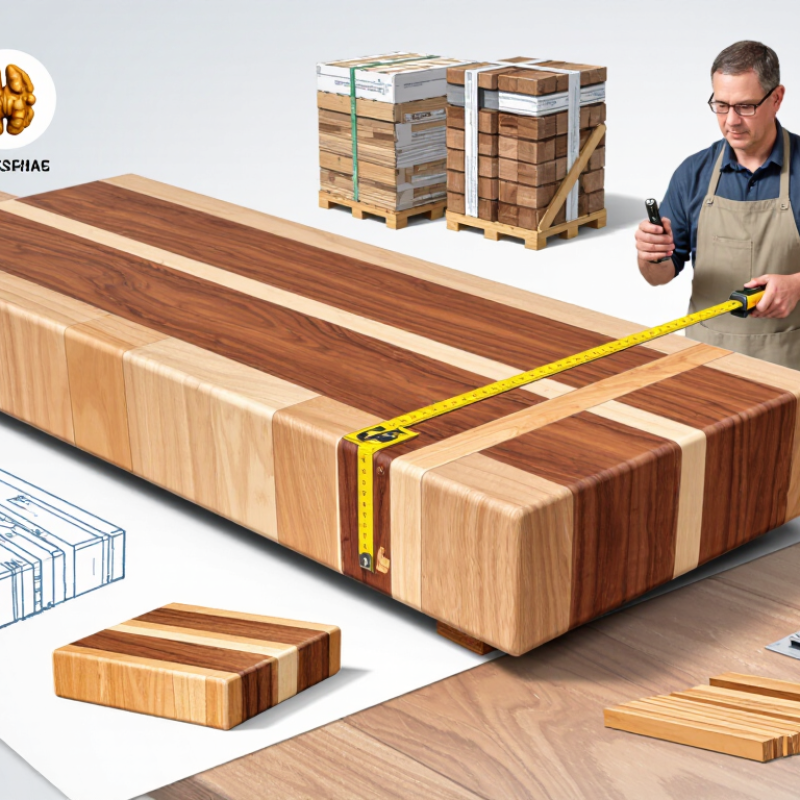
Top Wooden Butcher Block Suppliers for Global Buyers?

What Defines a Reliable Wooden Butcher Block Supplier?

Reliable wooden butcher block suppliers show their quality through repeatable details, not polished promises. Ask where the timber was sourced, how moisture is controlled, and which tests support food-contact use. Experienced suppliers should explain grain direction, adhesive specifications, edge treatment, and allowable size variation in plain language. A sample should reveal tight joints, even sanding, and no sharp splinters. Measure it carefully. Check its flatness. Look for open cracks after conditioning.

Tips: Request a recent inspection report, packing photographs, and a small production sample before placing a large order. Confirm carton strength, labeling, pallet protection, and delivery terms in writing. Reliable communication matters too. Replies should be clear, dated, and consistent across sales and technical teams. Ask how complaints are recorded and corrected. A supplier with a traceable batch system can identify materials faster when problems appear.

Price alone can mislead global buyers. Low-cost boards may hide unstable moisture levels or uneven finishing. Yet expensive products are not automatically better. Attractive samples can still fail when production controls are weak, so verification must continue beyond the first shipment. Independent testing can strengthen confidence, especially for large-volume purchases. Keep records of approvals, measurements, and agreed tolerances. One detail is often overlooked: suppliers should admit their limits instead of promising perfect consistency. That honesty is useful, even when it complicates the purchase.

Key Product Types and Material Standards

Top Wooden Butcher Block Suppliers for Global Buyers?

Material choice shapes a butcher block’s performance, appearance, and service life. Edge-grain blocks suit daily chopping and offer a practical balance between strength and price. End-grain blocks absorb knife impact more effectively, making them useful for heavier kitchen work. Face-grain boards display wider wood patterns and often serve lighter preparation needs.

Common hardwood options include maple, beech, acacia, and walnut. Each has a different hardness, color, grain structure, and moisture response. Buyers should check species identification, not rely only on attractive photographs. A block around 35–50 millimeters thick feels stable on a worktop, but weight and shipping costs rise quickly. That trade-off is easy to underestimate.

Material standards deserve close attention. Ask suppliers for moisture readings, usually around 6–10% for indoor kitchen products, plus wood-origin records and adhesive specifications. Glue should be suitable for food-contact applications and resistant to normal washing conditions. Surface sanding should feel smooth, without open cracks, sharp corners, or deep knife marks. A flatness check on a level table can reveal warping before shipment. Independent inspection is valuable for checking dimensions, joint gaps, packaging, and odor. Small knots are not always defects, yet loose knots and unstable repairs should be rejected. No natural wood is perfectly uniform. That reality should be documented, not hidden.

How to Evaluate Manufacturing Quality and Customization

For global buyers, manufacturing quality starts with measurable wood control, not attractive photographs. The USDA Forest Products Laboratory’s Wood Handbook indicates that interior wood commonly stabilizes near 6–8% moisture content. Ask suppliers for moisture records from kiln drying, not only a verbal promise. Measure several points across a sample board. Uneven readings may predict warping, open joints, or cracked edges.

The FDA Food Code 2022 requires food-contact surfaces to be smooth, durable, and easily cleanable. Inspect end grain for loose fibers, deep knife marks, and excessive glue lines. A reliable factory should identify wood species, adhesive grade, coating type, and curing conditions. It should also explain how it controls bacteria-prone gaps. “Food safe” alone is too vague. It needs evidence.

Customization reveals real production capability. Request a tolerance sheet for length, thickness, corner radius, juice grooves, handles, engraving, and packaging. FAO’s Global Forest Resources Assessment 2020 reports that forests cover about 31% of global land area, making traceable sourcing increasingly important. Ask for harvest-region records and chain-of-custody documents where available. Test a pilot order under humid and dry conditions. One weakness remains: many buyers judge quality after delivery, when correction is expensive. A pre-shipment inspection with photographs, moisture readings, and carton-drop testing is less impressive, but more useful.

Global Sourcing, Certifications, and Export Capabilities

Reliable butcher block sourcing starts with traceable timber, not attractive product photos. The FAO Global Forest Resources Assessment 2020 records 4.06 billion hectares of global forest. Suppliers should identify species, origin, harvest controls, and chain-of-custody procedures. FSC and PEFC certification can support this review. PEFC’s 2023 annual review reported over 296 million certified forest hectares worldwide.

Ask for current certificates, audit scopes, and product-specific documentation. A forest certificate does not automatically certify every finished countertop. That distinction matters. Suppliers should also provide moisture readings, adhesive specifications, formaldehyde test results, and food-contact documentation where applicable. In my experience, inconsistent moisture control causes more claims than visible defects. Aim for a clearly stated range, often around 8–12%, but confirm regional requirements.

Export capability requires more than a shipping quotation. Check pallet construction, container loading photos, carton labels, and protection against humidity. Solid-wood packaging should follow ISPM 15 requirements when applicable. Request commercial invoices, packing lists, certificates of origin, and reliable HS-code guidance. Customs rules vary.

Small gaps remain common.

A supplier may hold excellent certifications yet lack stable monthly capacity. Buyers should compare sample batches, lead-time records, rejection rates, and corrective-action reports. The Global Timber Forum’s responsible procurement guidance also supports documented due diligence and supplier monitoring. That process feels slower, but it exposes weaknesses before a full container leaves the port.

Comparing Suppliers by Price, Service, and Delivery Terms

Top Wooden Butcher Block Suppliers for Global Buyers

Price is only the opening figure when comparing wooden butcher block suppliers. Ask what it excludes. Some quotes cover sanding and edge treatment, while others add these costs later. Request samples with identical dimensions, wood species, thickness, and finish. This makes price comparisons more reliable. A low offer may reflect thinner panels, mixed grades, or weaker packaging.

Service quality often appears before the purchase. Experienced suppliers should provide moisture readings, product drawings, packing photos, and clear responses. Ask how they handle warping, cracks, or color variation. These issues can occur naturally, even with careful production. Details matter. I would also check whether one contact manages sampling, production, and export documents. Fewer handovers usually reduce confusion, though this is not guaranteed.

Delivery terms need practical checking, not optimistic promises. Compare production time, inspection time, port schedules, and the agreed shipping term. A supplier quoting fifteen days may still require another two weeks for booking and documentation. Confirm carton strength and pallet dimensions, especially for humid or rainy routes. Wooden products may need suitable protective wrapping and treatment records, depending on destination requirements. I have seen buyers focus on unit price, then lose money through storage fees and delayed installation. That mistake is easy to repeat. A written timeline with approval deadlines, loading dates, and responsibility for transport gives both sides a clearer working basis.

Top Wooden Butcher Block Suppliers for Global Buyers? - Comparing Suppliers by Price, Service, and Delivery Terms

Supplier Type / Region Common Wood Species Typical Export Price
(USD/m²)
Typical Thickness Minimum Order Production Lead Time Quality & Service Profile Common Incoterms Typical Transit to Major Ports
North American Hardwood Mill Maple, beech, walnut, oak 180–420 25–45 mm 1–5 pallets 3–8 weeks Consistent grading, strong traceability, reliable technical communication; customization is usually available for repeat orders. FCA, FOB, CIF Approx. 2–6 weeks by ocean, depending on destination
European Certified Timber Processor European beech, oak, ash, birch 160–360 20–40 mm 1–3 pallets 4–9 weeks Good dimensional control and documentation; FSC or PEFC material may be available when specified and verified in the sales contract. EXW, FCA, DAP About 1–4 weeks within Europe; 4–7 weeks by ocean to other regions
East Asian Export Manufacturer Rubberwood, acacia, beech, birch 75–180 18–40 mm 100–300 pieces or 1 container 25–55 days Competitive pricing, private-label packaging, CNC cutting, edge profiles, and mixed specifications; quality depends heavily on inspection controls. FOB, CIF, DDP by quotation Approximately 3–7 weeks by ocean
Southeast Asian Rubberwood Producer Rubberwood, acacia, teak alternatives 70–165 20–35 mm 1 container or negotiated mixed pallet order 30–60 days Strong value for large-volume orders; kiln-drying, finger-joint quality, moisture content, and formaldehyde compliance should be confirmed before purchase. FOB, CFR, CIF Around 3–6 weeks by ocean
Eastern European Woodworking Factory Beech, oak, ash, birch 125–290 20–40 mm 1–2 pallets 3–7 weeks Suitable for European buyers requiring shorter regional delivery, stable moisture control, and moderate customization. EXW, FCA, DAP About 3–14 days by road within nearby European markets
South American Hardwood Exporter Eucalyptus, parota, tropical hardwoods 110–300 25–45 mm 1 container or 2–5 pallets 4–10 weeks Access to distinctive hardwood colors and grain patterns; confirm legal-harvest documents, kiln-drying standards, and export availability for each species. FOB, CFR, CIF Approximately 3–8 weeks by ocean
Specialty Custom Fabricator Maple, walnut, oak, beech, acacia 220–600 30–75 mm 10–50 pieces 5–12 weeks Best for premium end-grain blocks, bespoke dimensions, logos, juice grooves, rounded corners, and retail-ready packaging. EXW, FCA, DAP, DDP by quotation 1–6 weeks depending on production location and destination
Comparison basis: Prices are indicative export ranges in USD per square metre for unfinished or lightly sanded laminated butcher-block panels, generally 20–40 mm thick. Actual quotations vary according to wood species, grade, moisture content, joint construction, surface finish, certification, packaging, order quantity, currency, freight, duties, and destination. Transit times exclude customs clearance and inland delivery.

FAQS

What makes a wooden butcher block supplier reliable?

A reliable supplier explains timber origin, moisture control, adhesives, and grain direction clearly. They provide dated replies and consistent technical details. Clear records matter. A traceable batch system helps locate materials when problems appear. Still, polished promises prove very little without samples and inspections.

Which wooden butcher block types suit different kitchen tasks?

Edge-grain blocks balance durability and cost for regular chopping. End-grain blocks absorb knife impact better during heavier work. Face-grain boards show wider patterns and suit lighter preparation. The best choice depends on workload, budget, and weight limits.

Which wood species are commonly used for butcher blocks?

Common hardwoods include maple, beech, acacia, and walnut. They differ in hardness, color, grain pattern, and moisture response. Ask for species identification instead of trusting attractive photographs. Photographs can hide mixed grades or repairs.

What material standards should buyers check?

Ask for moisture readings around 6–10% for indoor kitchen products. Request wood-origin records and adhesive specifications suitable for food-contact applications. The surface should feel smooth, without splinters, open cracks, or deep knife marks. Check flatness on a level table. Small knots may be acceptable, but loose knots should be rejected.

What thickness is practical for a wooden butcher block?

A thickness of about 35–50 millimeters usually feels stable on a worktop. Thicker blocks also become heavier and more expensive to ship. That trade-off is easy to underestimate. Confirm dimensions, weight, and packaging before ordering large quantities.

How can buyers compare supplier prices fairly?

Request samples with identical species, dimensions, thickness, and finish. Check whether sanding and edge treatment are included in the quotation. A low price may hide thinner panels, mixed grades, or weak packaging. Expensive products are not automatically better. Price can mislead.

What delivery details should buyers confirm in writing?

Confirm production time, inspection time, port schedules, loading dates, and shipping responsibilities. A quoted fifteen-day production period may still need two more weeks for booking. Check carton strength, pallet dimensions, protective wrapping, and destination documentation. Storage fees can grow during delays. Written timelines reduce confusion.

How should buyers inspect samples before a large order?

Examine joint tightness, sanding quality, corners, cracks, odor, and surface flatness. Measure the sample carefully after conditioning. Request recent inspection reports and packing photographs. Independent inspection can verify dimensions, joint gaps, packaging, and tolerances. One sample cannot guarantee every shipment.

Conclusion

Choosing a reliable wooden butcher block supplier requires more than comparing prices. Global buyers should assess the supplier’s material standards, product range, and ability to provide consistent quality. Important factors include the use of suitable hardwood, safe adhesives and finishes, accurate sizing, smooth surfaces, strong edge construction, and responsible production practices. Suppliers should also demonstrate stable manufacturing capacity, clear quality-control procedures, and flexibility for custom dimensions, designs, packaging, and private-label requirements.

International sourcing also depends on practical export capabilities. Buyers should review relevant certifications, product testing, packaging standards, shipping experience, and documentation support. A fair comparison should consider total value rather than unit price alone, including communication, sample approval, production lead times, minimum order quantities, payment terms, warranty policies, and delivery reliability. The best supplier is one that combines dependable craftsmanship, transparent service, competitive pricing, and the ability to meet international requirements consistently.

Charlotte

Charlotte

Charlotte is a dedicated marketing professional who combines strategic insight, industry knowledge, and a strong understanding of customer needs. As a key contributor to our company, she regularly researches market trends, follows industry developments, and creates clear, informative blog content......