
Precision-engineered wooden organization systems and modern ergonomic furniture manufactured for high-volume B2B distribution and commercial deployment in East Africa.
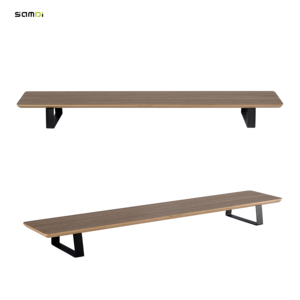
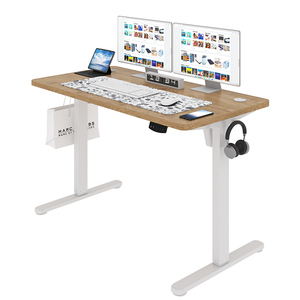
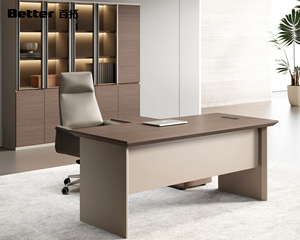
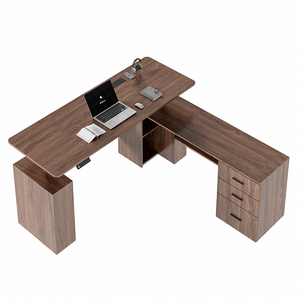
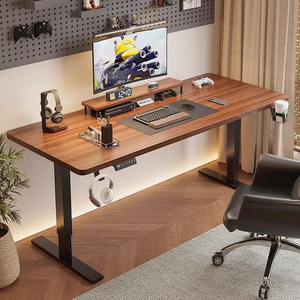
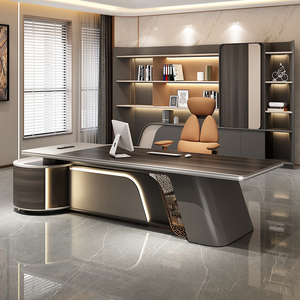
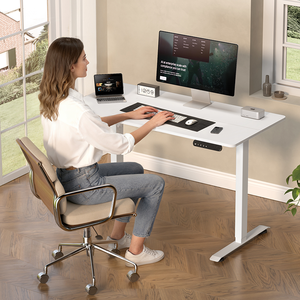
The East African consumer landscape, anchored by Kenya’s rapidly expanding urban mid-segment and booming hospitality infrastructure, is undergoing a profound structural evolution toward premium household organization and eco-conscious architectural interior fittings. In metropolitan nodes such as Nairobi, Mombasa, Kisumu, and Nakuru, modern architectural developments—characterized by open-plan kitchens, integrated cabinetry, and modular storage configurations—have driven unprecedented institutional and retail demand for natural timber organization fixtures.
Historically reliant on imported chrome-plated wire racking or single-use plastics, commercial buyers, estate developers, and major retail conglomerates across Kenya (such as Carrefour Kenya, Naivas, Chandarana Foodplus, and regional boutique home-goods distributors) are systematically pivoting toward sustainable solid wood alternatives. A wooden spice rack organizer serves not merely as a functional kitchen accessory, but as a high-margin premium aesthetic fixture that aligns with global biophilic design trends and localized East African consumer preferences for natural hardwood aesthetics.
Understanding user intent and purchasing triggers in Kenya requires evaluating four distinct buyer personas within the East African ecosystem:
Importing woodenware into Kenya poses unique material science challenges due to the stark microclimate contrasts between coastal and high-altitude regions. A wooden spice rack manufactured without precise moisture control will experience wood movement—warping, swelling, or cracking—when moved from the high humidity and high salinity of Mombasa (relative humidity averaging 75%–85%) to the cooler, drier high-altitude environment of Nairobi (elevation ~1,795 meters).
As a master manufacturer with over two decades of export experience, our facility subject all timber—including sustainable Acacia, Rubberwood, and premium Teak—to computerized thermal kiln-drying protocols. Timber moisture content (MC) is strictly calibrated to 8% – 11% prior to CNC milling. This precise Equilibrium Moisture Content (EMC) window guarantees structural integrity, preventing joint separation or rotational binding in revolving spice turrets across varying East African microclimates.
| Material Category | Termite & Fungal Resistance | Coastal Salinity Resilience | Structural Durability | Kenya Market Retail Value Tier |
|---|---|---|---|---|
| FSC Acacia Hardwood | Exceptional (High Natural Oils) | Superior (No Corrosive Degradation) | High Density (650-750 kg/m³) | Premium / Luxury Commercial |
| Seasoned Rubberwood | High (Boron Vacuum Treated) | Good (Sealed Polyurethane finish) | Medium-High (560-640 kg/m³) | Mass Market Retail / Volume Distribution |
| Stainless Steel Wire | Immune | Moderate (Prone to Pitting in Mombasa) | Prone to Bending under Load | Mid-Tier Functional |
| Polypropylene / Plastic | Immune | High | Low (UV Degradation & Brittle Fractures) | Budget Mass Retail |
Kenya Bureau of Standards (KEBS) enforces rigid guidelines regarding food-contact surfaces under Pre-Export Verification of Conformity (PVoC) regimes. Our wooden spice rack organizers are sealed exclusively using food-grade mineral oils, natural beeswax, or non-toxic water-based polyurethane coatings compliant with FDA 21 CFR 175.300 and EU Food Contact Regulation (EC) No 1935/2004. This guarantees zero chemical leaching into spices, herbs, or seasoning containers stored on our racks.
To capture market share in Kenya's competitive retail and commercial sectors, enterprise buyers require versatile product designs. Our manufacturing infrastructure supports comprehensive OEM and private-label customization:
Featuring 360-degree ball-bearing steel mechanisms encased in solid hardwood bases. Configured in 2-tier or 3-tier structures capable of organizing 16 to 32 glass jars. Engineered with anti-slip silicone feet to protect delicate stone or granite countertops common in modern Kenyan kitchens.
Slanted, expandable wooden tray organizers designed to fit standard 400mm, 600mm, and 900mm kitchen drawer units. Enables clear label visibility from above, ideal for high-end residential kitchen fit-outs in urban East Africa.
Space-saving vertical storage racks crafted from solid Acacia. Equipped with reinforced mounting hardware designed for brick, concrete block, or dry-wall installation in space-constrained apartment environments.
Custom freestanding point-of-sale display racks customized for Kenyan spice brands seeking premium retail presentation inside supermarket channels.
For Kenyan brands and retail chains looking to build proprietary line equity, we offer end-to-end branding customization:
Rooted in original manufacturing standards established over 20 years of global timber export operations, Nineteen Intertrade Co., Ltd. represents the apex of certified woodworking excellence. Operating out of our specialized manufacturing hub in Thailand, we leverage world-class forestry networks, SMETA-audited social responsibility frameworks, and advanced CNC automated cutting technology.
Navigating international import regulations is critical for procurement managers in Kenya. Below is the operational roadmap for importing custom wooden spice rack organizers and associated wooden furniture collections:
Products exported to Kenya must comply with KEBS standards under the PVoC program. Our export division coordinates directly with international inspection agencies (such as SGS, Intertek, or Bureau Veritas) to conduct pre-shipment physical inspection, sampling, and testing. A Certificate of Conformity (CoC) is issued prior to vessel departure, ensuring frictionless customs clearance at Mombasa Port or the Inland Container Depot (ICD) Nairobi.
To maximize freight efficiency, our wooden spice racks are engineered for high spatial density. Knock-Down (KD) designs and nested stacking structures allow up to 40% higher unit yield per 40ft High Cube container, significantly lowering sea freight costs per unit for Kenyan buyers.
| Container Type | Estimated Unit Capacity (Revolving 16-Jar Rack) | Estimated Transit Time (Thailand to Mombasa) | Recommended Target Buyer |
|---|---|---|---|
| 20ft Standard Container (FCL) | 3,500 – 4,200 Units | 18 – 24 Days | Regional Wholesalers / Commercial Developers |
| 40ft High Cube Container (FCL) | 8,000 – 9,500 Units | 18 – 24 Days | National Supermarket Chains / E-Com Distributors |
| LCL (Less Container Load) | 500 – 1,500 Units | 22 – 28 Days | Boutique Retailers / Hotel Fit-Out Projects |
Acacia is a high-density hardwood (650-750 kg/m³) rich in natural oils. Unlike untreated softwoods or low-grade pine, Acacia resists moisture absorption, termite infestation, and structural warping common in tropical East African environments. It provides superior aesthetic grain patterns highly prized in premium retail markets across Nairobi and Mombasa.
Cracking occurs when timber with improper moisture levels undergoes rapid humidity changes. We kiln-dry all lumber down to a precise 8%-11% moisture content and seal it with protective, non-toxic oils. Racks are then vacuum-sealed with silica desiccant packs in master cartons to ensure ambient air stability during ocean transport across the Indian Ocean.
Yes. As an OEM manufacturer, we produce spice racks according to your exact dimensional blueprints. Whether you require pull-out drawer inserts tailored to 600mm European-style kitchen modules or wall-mounted units for regional architectural specifications, our engineering team provides full CAD/CAM prototype support.
We supply a complete export documentation suite, including Commercial Invoice, Packing List, Bill of Lading (B/L), Certificate of Origin (Form A / COO), Phytosanitary Certificate (confirming wood pest treatment), and the KEBS PVoC Certificate of Conformity (CoC).
Our standard Minimum Order Quantity (MOQ) for custom laser-etched or private-label boxed wooden spice racks is 500 units per model. For standard factory models without custom branding, smaller trial volumes can be accommodated via LCL shipments.
Absolutely. All finishes, oils, and lacquers applied to our kitchenware and storage products are 100% food-safe, non-toxic, and free from volatile organic compounds (VOCs), conforming to FDA and European Union food contact safety standards.
Wooden kitchenware commands a 30% to 50% higher retail price point in Kenya compared to plastic alternatives due to perceived luxury, durability, and eco-friendliness. This yields significantly higher gross profit margins for retail chains and home goods stockists.
Yes, we manufacture cohesive kitchenware collections. Kenyan buyers frequently pair spice rack organizers with matching Acacia wood cutting boards, salad bowls, paper towel holders, and executive solid wood office furniture for cross-category retail promotion.
Partner directly with an established global manufacturer. Contact our export engineering team today to receive a comprehensive B2B product catalog, OEM price list, and customized freight quotes for the Kenya market.