
The Japanese houseware and home furniture ecosystem is undergoing a decisive transition toward ecological accountability, structural durability, and spatial efficiency. Japanese B2B buyers—ranging from high-end Tokyo lifestyle department stores to Osaka-based commercial furniture distributors and regional HORECA (Hotel, Restaurant, Catering) suppliers—demand strict compliance with environmental protocols and physical performance standards. For international procurement managers, partnering with an established eco friendly wooden houseware manufacturer and supplier for Japan requires an in-depth understanding of material chemistry, localized consumer ergonomics, and stringent import regulations such as the Japanese Food Sanitation Act and Agricultural Standards (JAS).
As a Thailand-based manufacturing powerhouse operating under Nineteen Intertrade Co., Ltd., we combine over two decades of direct OEM production expertise with advanced European wood processing technology. Our specialized production lines produce premium acacia, rubberwood, and teak housewares alongside ergonomic solid wood furniture engineered specifically to meet the high quality standards expected by Japanese commercial buyers.
Product usability in Japan is strictly governed by spatial constraints and distinct cultural habits. Whether designing solid wood cutting boards, modular dining systems, or ergonomic sit-stand computer desks, products must harmonize with Japanese interior aesthetics (such as Japandi and minimalist natural wood motifs) while enduring daily functional demands.
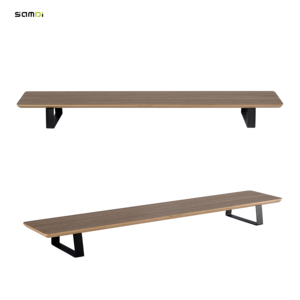
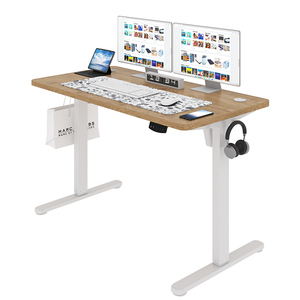
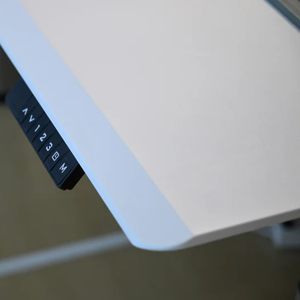
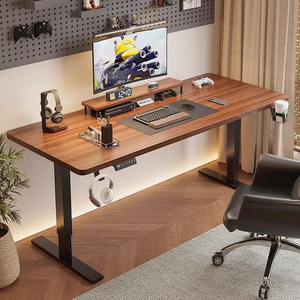
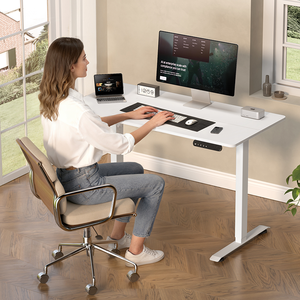
In Japanese metropolitan areas where living spaces average under 60 square meters, multi-functional furniture is paramount. Our modern height-adjustable electric wooden desks and compact standing workstations provide ergonomic flexibility within tight footprints. Treated with scratch-resistant, low-sheen eco-coatings, these pieces blend seamlessly into residential interiors while supporting modern remote work needs.
High-end Japanese restaurants and traditional Ryokans prioritize natural presentation. Our end-grain acacia chopping boards, butcher blocks, and hand-carved salad bowls utilize zero-VOC, food-grade mineral oils that meet Ministry of Health, Labour and Welfare (MHLW) standards. The dense grain of acacia preserves knife edges while resisting water absorption during high-volume commercial dishwashing.
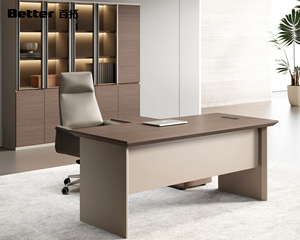
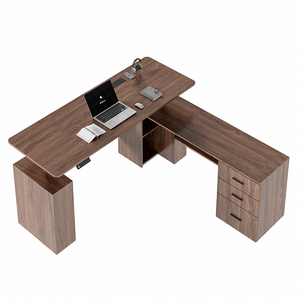
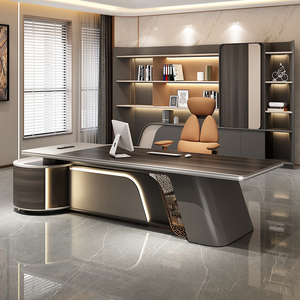
Japanese corporate environments are increasingly adopting ESG-driven ergonomic office standards. Our L-shaped solid wood executive desks, motor-driven sit-stand tables, and modular wooden storage units provide executive suites with natural timber warmth, high load capacities (up to 70KG+), and wire management systems designed for modern tech infrastructures.
To successfully capture market share in Japan, B2B product developers must align their OEM roadmaps with three macro consumer and legislative shifts:
Japan’s government-mandated Green Purchasing Law requires institutional and retail buyers to prioritize timber sourced from sustainably managed plantations. Plantation-grown Acacia and Rubberwood serve as carbon-negative alternatives to slow-growth temperate hardwoods, granting importers a competitive marketing narrative.
Following updates to Japan’s Food Sanitation Act Positive List System for food-contact packaging and utensils, Japanese customs rigorously screen imported wood items for heavy metals, formaldehyde, and unsafe varnishes. OEM partners must supply verified food-safe certification test reports.
Japan experiences extreme seasonal variations—from hot, humid summers to dry, heated winter interiors. Standard solid timber often warps or splits under these conditions. Advanced kiln-drying to a precise 8%–12% moisture content is required to prevent material failure after importation.
Selecting the optimal timber species for Japanese retail houseware and corporate furniture determines long-term product viability. Below is an engineering benchmark comparing our primary eco-friendly timber species against key performance indicators required for the Japanese market.
| Timber Species | Janka Hardness Rating | Target Moisture Content | Food Safety Compliance | Dimensional Stability | Primary Japanese Utility |
|---|---|---|---|---|---|
| Acacia Wood | 1,750 lbf (High) | 8% – 10% Kiln Dried | FDA / Japan MHLW Passed | Excellent (Cross-grain structure) | Cutting Boards, Salad Bowls, Serving Platters |
| Rubberwood (Hevea) | 960 lbf (Medium) | 9% – 11% Kiln Dried | FDA / Japan MHLW Passed | High (Finger-jointed panels) | Modular Desks, Children’s Furniture, Trays |
| Thai Teak | 1,070 lbf (Medium-Hard) | 10% – 12% Air/Kiln Dried | Natural Oleoresin Protection | Superior (Water Resistant) | Executive Office Tables, Outdoor Houseware |
| Eco-MDF / Engineered Top | N/A (Density: 720 kg/m³) | 5% – 7% Controlled | E0 / F★★★★ Equivalent | Maximum Uniformity | Electric Height Adjustable Gaming Desks |
With over two decades of dedicated wood manufacturing experience based in Bangkok, Thailand, Nineteen Intertrade Co., Ltd. serves as an end-to-end OEM/ODM manufacturing partner for global retail chains, furniture importers, and private-label brands.
Established manufacturing setup specializing in solid wood cutting boards, butcher blocks, salad bowls, dining tables, and height-adjustable executive desks tailored to exact client technical drawings.
Our factory operates under strict ethical labor, environmental, and social responsibility standards. We provide verified FSC certification for sustainable wood sourcing required by corporate ESG audits.
Equipped with industrial computer-controlled kiln dryers and multi-axis CNC machines to achieve precise tolerances, eliminate wood warp, and ensure flawless surface finishing across mass production runs.
Complete private-label customization including laser-etched branding, barcode placement, custom color-box packaging, and ISTA-tested drop-safe e-commerce shipping boxes ready for immediate distribution.
Proven track record exporting FCL (Full Container Load) and LCL shipments to over 50 countries across North America, Europe, Australia, and Japan, with full export documentation and customs compliance support.
All our food-contact wooden houseware products—including acacia cutting boards, butcher blocks, and salad bowls—are finished using non-toxic, lead-free, food-grade coatings, mineral oils, or organic waxes. We routinely pass third-party testing (SGS, Intertek) to verify compliance with Japan MHLW standards for heavy metal dissolution, formaldehyde emission, and synthetic resin migration.
Timber undergoes a rigorous multi-stage kiln-drying process to stabilize moisture content to between 8% and 12%—matching Japan’s indoor equilibrium moisture content. Additionally, shipping containers are equipped with industrial desiccants, and products are wrapped in moisture-barrier packaging to withstand ocean transit across different climate zones.
Our standard OEM minimum order quantity (MOQ) ranges from 300 to 500 units per SKU for small houseware items, and 50 to 100 units for larger solid wood executive furniture and standing desks. Standard mass production lead time is 35 to 50 days following sample approval and deposit confirmation.
Yes. We offer complete private-label OEM services. We can laser-engrave brand logos, hot-stamp trademarks, apply Japanese-language warning labels/barcodes, and manufacture custom retail gift boxes according to your exact packaging designs.
Yes. We maintain FSC Chain-of-Custody certification options for our acacia, rubberwood, and imported hardwood lumber. Importers requiring FSC certification logos on retail packaging can be fully accommodated with complete supply chain documentation.
Explore our complete range of eco-friendly acacia houseware, butcher blocks, solid wood dining tables, and ergonomic standing desks. Contact our engineering team today to receive a custom wholesale quote and sample kit for the Japanese market.