




1. Global Market Landscape & B2B Procurement Shift (2025–2030)
The global demand for solid wooden kitchenware and commercial solid wood furniture has undergone a structural transformation. Commercial buyers, enterprise procurement directors, and premium hospitality managers no longer select manufacturing partners purely based on unit price. The modern B2B purchasing paradigm prioritizes ESG compliance (Environmental, Social, and Governance), absolute timber origin traceability, strict non-toxic chemical food safety standards (such as FDA 21 CFR 175.300 and EU LFGB Regulations), and strict dimensional stability under fluctuating climatic conditions.
As retail chains and international brand holders scale their supply chains across North America, Europe, and Australia, China and Southeast Asian manufacturing hubs remain the epicenter of industrial woodworking excellence. China's advanced industrial automation, high-speed 5-axis CNC machining, high-capacity kiln drying infrastructure, and mature export logistics ecosystem provide enterprise buyers with unmatched cost-efficiency and volume scalability. Meanwhile, regional hubs like Thailand excel in high-density Acacia (Acacia mangium/auriculiformis) and Rubberwood (Hevea brasiliensis) timber access.
Key Sourcing Insight: Winning procurement strategies in 2025 require partnering with factories that possess end-to-end processing capabilities—from raw log quarter-sawing and computer-controlled steam kiln drying to ultrasonic glue joint testing and zero-VOC organic finishing.
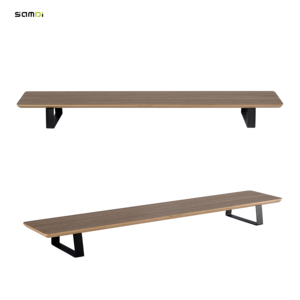
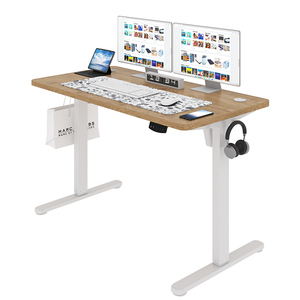
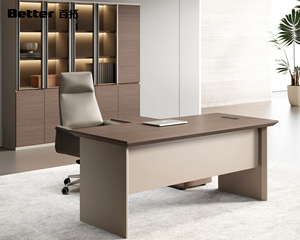
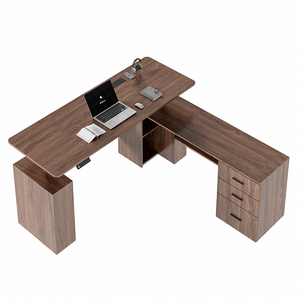
Whether sourcing end-grain butcher blocks, turned acacia salad bowls, ergonomic standing desk timber tops, or multi-functional commercial executive tables, volume importers must evaluate factories through a comprehensive technical lens. This whitepaper establishes an analytical framework for enterprise procurement teams to minimize supply chain disruption, prevent product failure in humid or dry destination climates, and maximize gross profit margins.