
Precision-engineered for high-traffic cafes, fine dining establishments, commercial food courts, and hotel banquet halls. Export-tested structural durability and food-safe coatings.
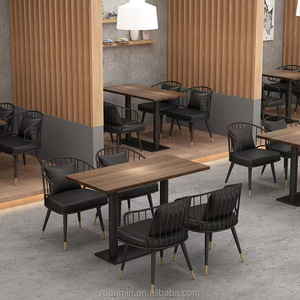
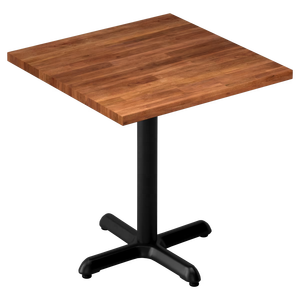
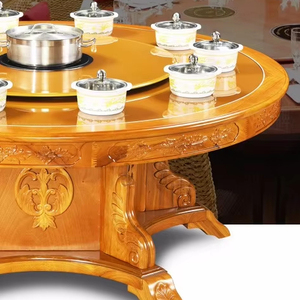
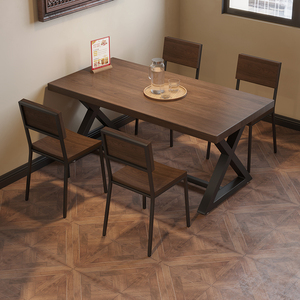
A technical analysis of wood specie selection, stress resistance, surface chemistry, and procurement economics for global B2B buyers.
The global commercial furniture market is experiencing a profound shift toward natural, biophilic design elements. For hotel procurement directors, restaurant chains, and commercial furniture wholesalers, sourcing commercial wooden dining tables from China is no longer purely a price-driven decision. Modern international procurement requires a rigorous balance of structural longevity, moisture compliance, non-toxic surface lacquers, and precise OEM engineering capabilities capable of handling intense foot-traffic environments.
Selecting the appropriate wood species dictates the tensile strength, aesthetic grain definition, and long-term maintenance costs of restaurant dining installations. Below is an engineering overview of primary hardwood species utilized in high-grade OEM manufacturing:
| Wood Specie | Janka Hardness (lbf) | Density (kg/m³) | Warping Resistance | Recommended Commercial Use |
|---|---|---|---|---|
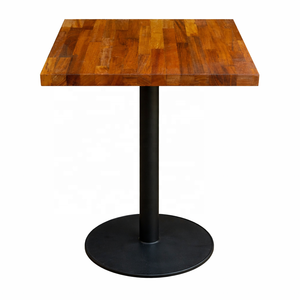
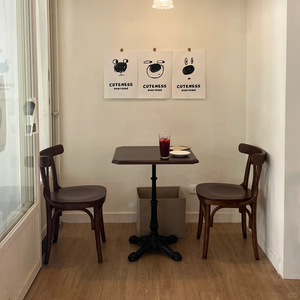
| Acacia Wood | 1,750 lbf | 700 - 750 kg/m³ | Exceptionally High | Heavy-Duty Cafes, Bistro Tables, Butcher Blocks |
| American White Oak | 1,360 lbf | 750 kg/m³ | High (Quarter-Sawn) | Luxury Hotel Dining, Executive Conference Tables |
| Black Walnut | 1,010 lbf | 660 kg/m³ | Moderate to High | High-End Western Restaurants, Resin River Tables |
| Thai/Asian Rubberwood | 960 lbf | 560 - 640 kg/m³ | Moderate (Kiln-Dried) | Fast Food Chains, Budget Commercial Seating Sets |
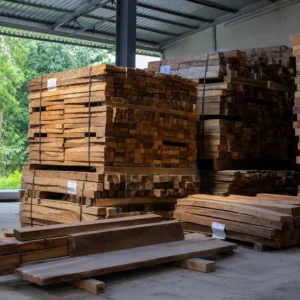
Our manufacturing facility enforces strict raw lumber grading. By utilizing high-capacity computer-controlled dry kilns, we stabilize the moisture content of raw boards down to 8%–12%. This critical step eliminates the internal stresses that cause splitting, cupping, or swelling when tables are exported across variable humidity zones—from humid coastal resorts to arid Middle Eastern climate environments.
Integrating 20+ years of woodworking heritage with computerized precision machinery to power global supply chains.
We prioritize responsible forestry. Our timber supply chains feature FSC-certified options, while our production facilities maintain full SMETA social compliance, providing international retail brands and procurement agencies complete compliance security.
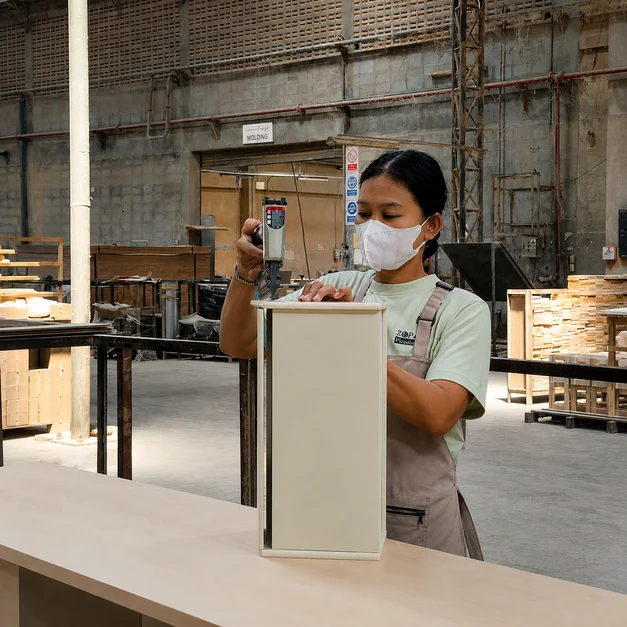
Equipped with 5-axis CNC router centers and automatic sanding lines, we execute complex joinery, mortise-and-tenon connections, and custom edge profiles with sub-millimeter tolerances across mass-production runs.
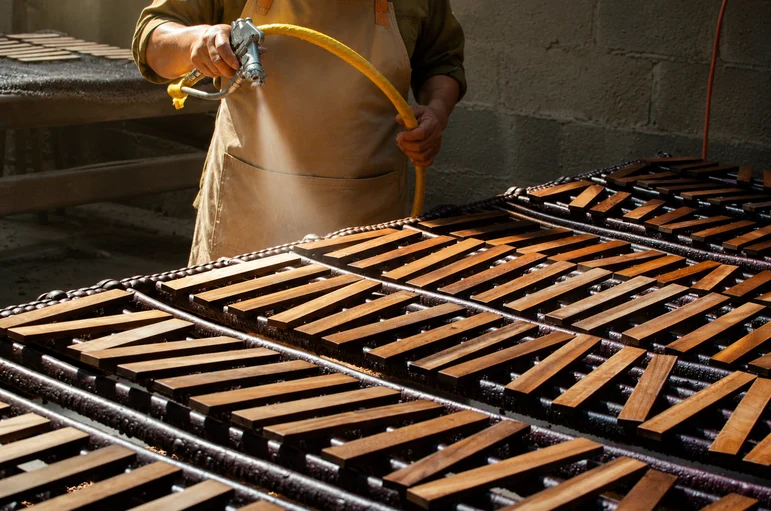
Our tables are sealed using industrial-grade, ultra-low VOC polyurethanes, conversion varnishes, and food-contact safe epoxy resin systems (FDA and Intertek compliant), resisting heat rings, chemical sanitizers, and alcohol spills.
Anticipating shifts in dining venue architecture, modular layout flexibilities, and eco-material demands.
Modern restaurant spaces require layout versatility for events and shifting group sizes. Future-proof dining tables feature standardized, detachable cast-iron or steel bases paired with interchangeable solid wood tops. Knock-down (KD) hardware allows rapid maintenance, re-staining, or replacement of individual tops without discarding base investments, reducing lifecycle procurement costs by 35%.
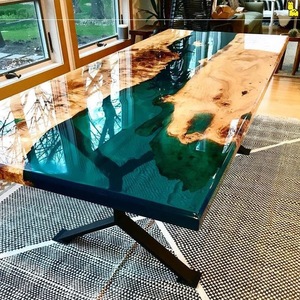
HORECA venues are moving away from sterile synthetic laminates toward authentic natural textures. Deep walnut live-edge slabs filled with crystal-clear or tinted food-safe epoxy resin represent one of the fastest-growing categories in upscale hotel lounges and specialty steakhouses, driving higher customer engagement and social media visibility.
Global ESG regulations demand verifiable supply chains. Retailers and hotel chains increasingly favor fast-growing, sustainable plantation woods like Acacia and Rubberwood over endangered virgin timber. Plantation-grown Acacia offers physical hardness exceeding Oak while maintaining a carbon-neutral footprint.
With maritime container freight costs subject to market volatility, top suppliers engineer commercial tables with pre-installed threaded steel inserts. This allows full KD shipping, increasing 40ft HQ container loading density by up to 220% compared to fully assembled furniture units.
How factory-level engineering protects solid wood from commercial wear and tear.
Solid wood is a natural dynamic material that responds to ambient humidity. To prevent warp in large-format commercial dining tables (such as 8-seater to 12-seater restaurant conference tables), our R&D team incorporates structural steel relief channels (c-channels) embedded into the underside of table slabs. These flush-mounted steel bars allow timber to expand and contract laterally along its grain without bowing vertically.
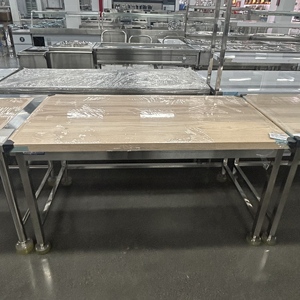
Laser-cut heavy gauge steel bars slotted into CNC-milled grooves beneath wide table tops to maintain absolute flatness under indoor climate shifts.
Cross-laminated timber blocks bonded with food-safe D4 waterproof polyurethane adhesives for high-impact knife and plate resistance in bistro settings.
Multi-stage spray finishing incorporating micro-ceramic particles, achieving Taber abrasion test ratings suitable for heavy commercial food service.
Direct technical answers for commercial buyers, furniture importers, and project contractors.