FSC-Certified & SMETA-Audited Factory

OEM/ODM Acacia Wood Mortar And Pestle Factories & Exporter

Enterprise Sourcing Guide & Technical Whitepaper: Precision Culinary Woodware Manufacturing, Hardwood Material Engineering, and Global B2B Supply Chain Execution

Curated OEM Product Line

Featured OEM Woodware & Kitchenware Series

Explore our high-demand solid wood export SKUs, including precision-engineered Acacia Mortar & Pestle sets, butcher blocks, and ergonomic office workstations.
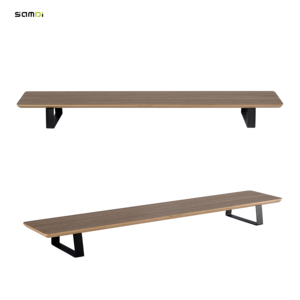
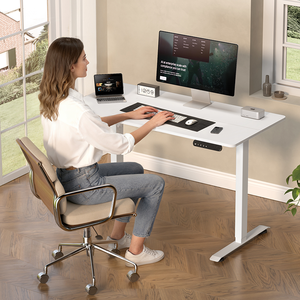
SAMDI Durable Wooden Desk Modern Standing Laptop Desk
OEM/ODM • Solid Hardwood

SAMDI Ergonomic Wood Desk Modern Standing Workstation

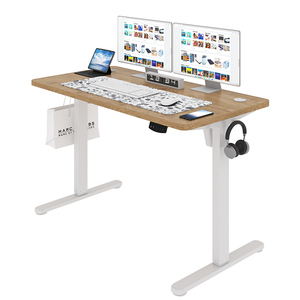
Electric Modular Revolving Modern Standing Desk
Smart OEM • 70KG Load

Electric Modular Revolving Height Adjustable Solid Wood Desk

Adjustable Ergonomic Modern Wood Executive Desk
Executive • Modular Storage

Ergonomic Wood Executive Desk with Integrated Drawers

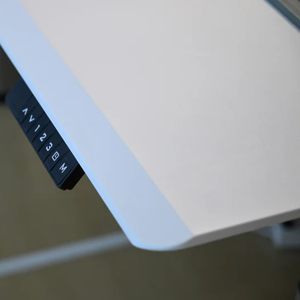
Custom Modern MDF White Wooden Anti-Scratch Table Top
Custom Top • Anti-Scratch

Custom Commercial Anti-Scratch Hardwood & MDF Table Top

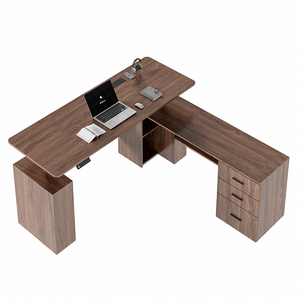
Modern L-Shaped Ergonomic Wooden Adjustable Height Desk
L-Shaped • Eco Storage

Modern L-Shaped Ergonomic Hardwood Standing Desk

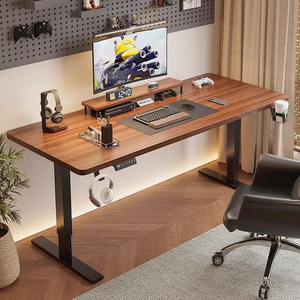
Modern Home Office Solid Wood Computer Desk
Solid Acacia • Smart Lift

Solid Wood Smart Computer Desk with Extendable Module

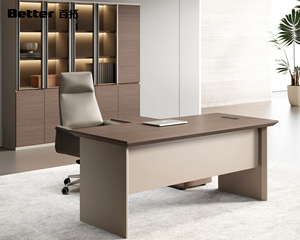
Luxury Modern Office Table High-End Design CEO Desk
Luxury Series • Wholesale

Luxury Executive Solid Hardwood CEO Office Table

Modern High-End Single Motor Ergonomic Office Electric Sit Stand Desk
5-Year Warranty • Electric

Single Motor Electric Sit-Stand Desk with Natural Wood Top

Material Science & Engineering

Why Acacia Wood Dominates Professional Mortar & Pestle Manufacturing

In the global culinary hardware industry, selecting the optimal material for grinding, crushing, and emulsifying spices is a balance of density, grain shear resistance, food safety, and aesthetic longevity. While traditional stone (granite/marble) offers sheer weight, it suffers from heavy shipping freight overheads and susceptibility to micro-fracturing under high-impact crushing. Ceramics, while non-porous, lack shock absorption.

Acacia wood (*Acacia mangium* and *Acacia auriculiformis*) has emerged as the premier organic substrate for commercial and residential mortar and pestle manufacturing. Boasting a Janka Hardness rating ranging between 1,700 and 1,750 lbf, Acacia outperforms domestic white oak, maple, and teak in impact elasticity. Its interlocking grain structure absorbs heavy pestle forces without splintering, making it exceptionally resilient under intense culinary wear.

Key Sourcing Advantage: Thailand-sourced Acacia timber exhibits high concentrations of natural tannin compounds, providing intrinsic antimicrobial defense while remaining completely food-safe when paired with food-grade organic oil treatments.

Technical Timber Dynamics

  • Janka Hardness: 1,700 - 1,750 lbf
  • Volumetric Shrinkage: Low (Kiln Dried to 8-10%)
  • Grain Pattern: Interlocking / High Density
  • Food Compliance: FDA 21 CFR 175.300 / LFGB
  • Freight Weight Index: 60% Lighter than Granite
Strategic Sourcing Matrix

Comparative Benchmark: Culinary Mortar & Pestle Materials

A data-backed evaluation for global procurement directors, brand owners, and OEM buyers evaluating material longevity, shipping optimization, and end-user performance.

Evaluation Parameter Acacia Hardwood (OEM Preferred) Polished Granite / Stone High-Fired Ceramic Moso Bamboo
Crush & Impact Resistance Exceptional (Fibers yield slightly without chipping) High (Prone to edge micro-chipping) Moderate (High risk of catastrophic cracking) Low-Moderate (Prone to delamination)
Volumetric Shipping Weight Optimal (Reduces container freight costs by 55-65%) Extremely Heavy (Drives up import duty & logistics) Moderate-Heavy (Requires extensive protective packaging) Ultra-Light (Lacks momentum for heavy crushing)
Aroma & Moisture Absorption Near-Zero (When sealed with organic beeswax) Zero (Porous if unpolished natural stone) Zero (100% Non-porous glaze) Moderate (High moisture uptake if unsealed)
Ergonomic Hand Feel Warm, Natural Grip (Prevents palm fatigue) Cold, Rigid, Heavy Smooth, Slippery when wet Light, Coarse tactile feel
Eco Certification & ESG FSC 100% Sustainable Plantations Non-renewable Quarry Mining High Kiln Carbon Footprint Fast-growing, Synthetic Glue Heavy
Custom OEM Lathe Turning Potential Unlimited 3D Geometry Options Restricted to Mold & Heavy Milling Requires Expensive Molds Restricted to Laminated Strips
20+
Years Export Excellence
50+
Global Target Destinations
500+
Active OEM / ODM SKUs
100%
FSC & Food-Grade Compliance
Factory Standard Operating Procedure

Inside Our OEM Acacia Wood Mortar & Pestle Manufacturing Facility

Nineteen Intertrade Co., Ltd. enforces rigorous quality assurance across every step of timber selection, lathe turning, moisture equalization, and non-toxic surface finishing.

STAGE 01

FSC Raw Timber Selection

We exclusively procure legally harvested, FSC-certified Acacia logs from sustainable Thai plantations. Raw logs undergo dense grain inspection to discard sections with structural knots or radial heartwood checks.

STAGE 02

Dehumidification & Kiln Drying

Rough timber billets are conditioned in high-capacity computer-controlled kilns for 30–45 days. Moisture content is lowered to a precise 8%–10%, eliminating post-export cracking, warping, and mold propagation.

STAGE 03

5-Axis CNC Lathe Turning

Using high-precision multi-axis CNC wood lathes, we turn solid Acacia blocks into exact mortar cavities and matching pestle contours based on client 3D CAD files, ensuring uniform wall thickness and weight distribution.

STAGE 04

Multi-Stage Cavity Polishing

Interior crushing surfaces and pestle heads are hand-sanded across 4 progressive grit stages (120 to 400 grit) to eliminate loose wood fibers while retaining optimal surface micro-texture for grinding efficiency.

STAGE 05

Food-Grade Finishing

Products are immersed in organic, mineral-oil-based food-safe sealants and organic carnauba/beeswax mixtures. Finishes comply fully with FDA, EU, and LFGB standards for direct food contact.

STAGE 06

Custom Packaging & Drop Test

Each unit is vacuum-wrapped with moisture-absorbent silica gel, enclosed in private-label gift boxes, and subjected to ISTA 1A drop-testing to guarantee zero transit damage during sea freight container shipment.

Market Intelligence & Forecast

2025–2030 Sourcing & Procurement Trends for Wooden Kitchenware

Key strategic vectors driving global retail buyer demand, consumer preferences, and supply chain adjustments in the culinary hardwood product sector.

1. Shift Towards Hybrid Material Innovations

Modern consumers are seeking aesthetic contrast in high-end culinary tools. We are seeing a massive surge in OEM orders combining Acacia Wood Mortar bases with weighted Cast-Iron or White Marble Pestles. This hybrid construction leverages the acoustic dampenability and warm aesthetics of Acacia wood while utilizing high-density stone or metal heads for effortless crushing of hard spices like peppercorns and star anise.

2. De-Risking Supply Chains Beyond Traditional Hubs

Global retail chains and European importers are actively shifting procurement away from single-source markets to mitigate tariff volatility and supply bottlenecks. Thailand has established itself as the leading Southeast Asian export hub for solid wood craftsmanship, offering competitive tariff structures, mature forestry infrastructure, and exceptional hand-finishing traditions.

3. Strict Environmental & Chemical Compliance (ESG)

Regulatory scrutiny around food-contact safety (PFAS-free, VOC-free) and deforestation due diligence (EUDR compliance) is at an all-time high. Forward-thinking brands require OEM partners who provide full supply-chain traceability from plantation log numbers to certified non-toxic plant wax coatings.

4. Ergonomic Deep-Bowl & Anti-Spill Geometries

Culinary consumer preferences are leaning towards higher parabolic inner curves that prevent spice overflow during grinding. Commercial pestles are transitioning to wider, contoured bases that distribute downward pressure evenly across the wrist, lowering physical effort during paste preparation.
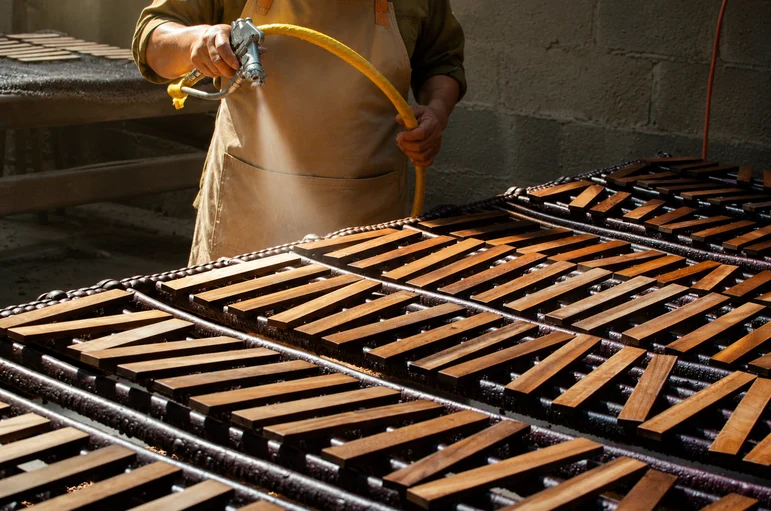
Nineteen Intertrade Factory Facility in Thailand
Why Partner With Nineteen Intertrade

Your Direct OEM Factory Partner in Bangkok, Thailand

Nineteen Intertrade Co., Ltd. (Zopawood) operates a state-of-the-art wood processing and manufacturing facility in Bangkhuntien, Bangkok. With over 2 decades of specialized manufacturing experience, we specialize in high-volume, precision solid wood production for international retail brands, HORECA suppliers, and institutional buyers across North America, Europe, Australia, and Asia.

✓
SMETA 4-Pillar Audited Facility: Strictly adhering to international ethical labor, environmental practices, health & safety, and business integrity standards.
✓
100% In-House Production Line: From timber seasoning and high-precision CNC lathe turning to hand sanding and laser branding—we eliminate middleman costs.
✓
Custom Private Label Packaging: Complete packaging solutions including foil-stamped retail gift boxes, barcode labeling, color inserts, and sustainable plastic-free master cartoning.
Procurement Helpdesk

Frequently Asked OEM Sourcing Questions (FAQ)

Detailed answers regarding minimum order quantities, compliance certifications, moisture control protocols, and custom product development timelines.

What is the Minimum Order Quantity (MOQ) for custom Acacia Mortar & Pestle production?
Our standard Minimum Order Quantity (MOQ) for custom OEM/ODM Acacia Mortar and Pestle sets is 500 units per style/size. For existing catalog designs or mixed-container shipments containing multiple Acacia kitchenware SKUs (such as cutting boards, salad bowls, and serving platters), we can accommodate flexible initial trial orders starting at 300 units per item.
How do you prevent wooden mortar bowls from cracking or splitting after overseas shipping?
Wood splitting occurs due to sudden shifts in relative humidity. We mitigate this through our strict 2-Phase Dehumidification Protocol. Timber billets are kiln-dried to an exact moisture content of 8%–10% prior to lathe turning. Post-machining, finished products undergo climate-controlled stabilization before being sealed with food-grade mineral oils. Individual pieces are vacuum-sealed with silica desiccant packs inside master cartons lined with vapor-barrier poly bags.
Are your Acacia wood surface finishes compliant with US FDA and European food contact laws?
Yes, 100%. All oils, waxes, and natural sealants applied to our kitchenware products are independently tested and certified by Intertek and SGS to comply fully with FDA 21 CFR 175.300 regulations for direct food contact, as well as European LFGB (Food, Consumer Goods and Feed Code) and EU Regulation No 1935/2004 standards. They are completely lead-free, BPA-free, and heavy metal-free.
Can we customize the mortar depth, pestle ergonomics, and laser-engraved branding?
Absolutely. As a dedicated OEM/ODM manufacturer, we offer full custom engineering. You can provide 2D/3D CAD drawings or physical reference samples. We customize mortar diameter, bowl depth, base wall thickness, and pestle handle contours. Branding options include deep precision laser engraving, heat branding, hot foil stamping, and custom bottom rubber anti-slip pads.
What is the typical production turnaround and lead time for container orders?
Pre-production 3D CAD modeling and physical sample development require approximately 7 to 10 working days. Once sample approval and deposit confirmation are received, mass production lead time is typically 35 to 45 days for a full 20ft/40ft container load, depending on design complexity and seasonal factory loading.
What eco-certifications and factory audit reports do you provide for retail compliance?
We provide comprehensive documentation required by major global retailers and department stores, including FSC (Forest Stewardship Council) Chain of Custody certification verifying 100% sustainably managed timber, and official SMETA 4-Pillar audit reports covering ethical labor practices, health & safety, and environmental responsibility.
How does Acacia wood compare to Rubberwood or Teak for heavy spice grinding?
Acacia wood features a significantly higher density and Janka hardness (approx. 1,750 lbf) than Rubberwood (approx. 960 lbf), preventing surface gouging when grinding hard spices like rock salt or corn kernels. While Teak offers high oil content, Acacia provides superior shear strength at a much more competitive price point, delivering an optimal balance of premium aesthetics and cost-effective bulk procurement.
What shipping terms and port handling services do you offer?
We operate flexibly under standard international incoterms, including FOB Bangkok, CFR, CIF, and DDP (Delivered Duty Paid) directly to your fulfillment warehouse. Our export logistics department manages all phytosanitary certification, Certificate of Origin (Form E / Form A), and customs documentation for seamless port clearance.
Partner With Thailand's Leading Woodware Factory

Ready to Scale Your Woodenware Product Line?

Connect directly with our engineering and procurement team today. Receive factory-direct wholesale pricing, order sample kits, or request a complete OEM technical consultation for your brand.